

Seasonal adaptation of the body is a period when the body gradually exits energy-saving mode but is not yet ready for springtime activity.
At the seasonal boundary, many people experience fluctuations in well-being: mood swings, fatigue, decreased concentration, or increased sensitivity to stress. In most cases, this is related to natural adaptive processes rather than illnesses.
Seasonal adaptation of the body at the end of winter
Hormonal and metabolic changes
By the end of winter, the body gradually adjusts its hormonal balance. This affects not only energy metabolism but also sleep regulation, mood, and stress responses.
Melatonin, cortisol, and serotonin
Short daylight hours lead to increased melatonin production, while serotonin levels may remain low. Cortisol, in turn, often rises in response to accumulated seasonal stress.
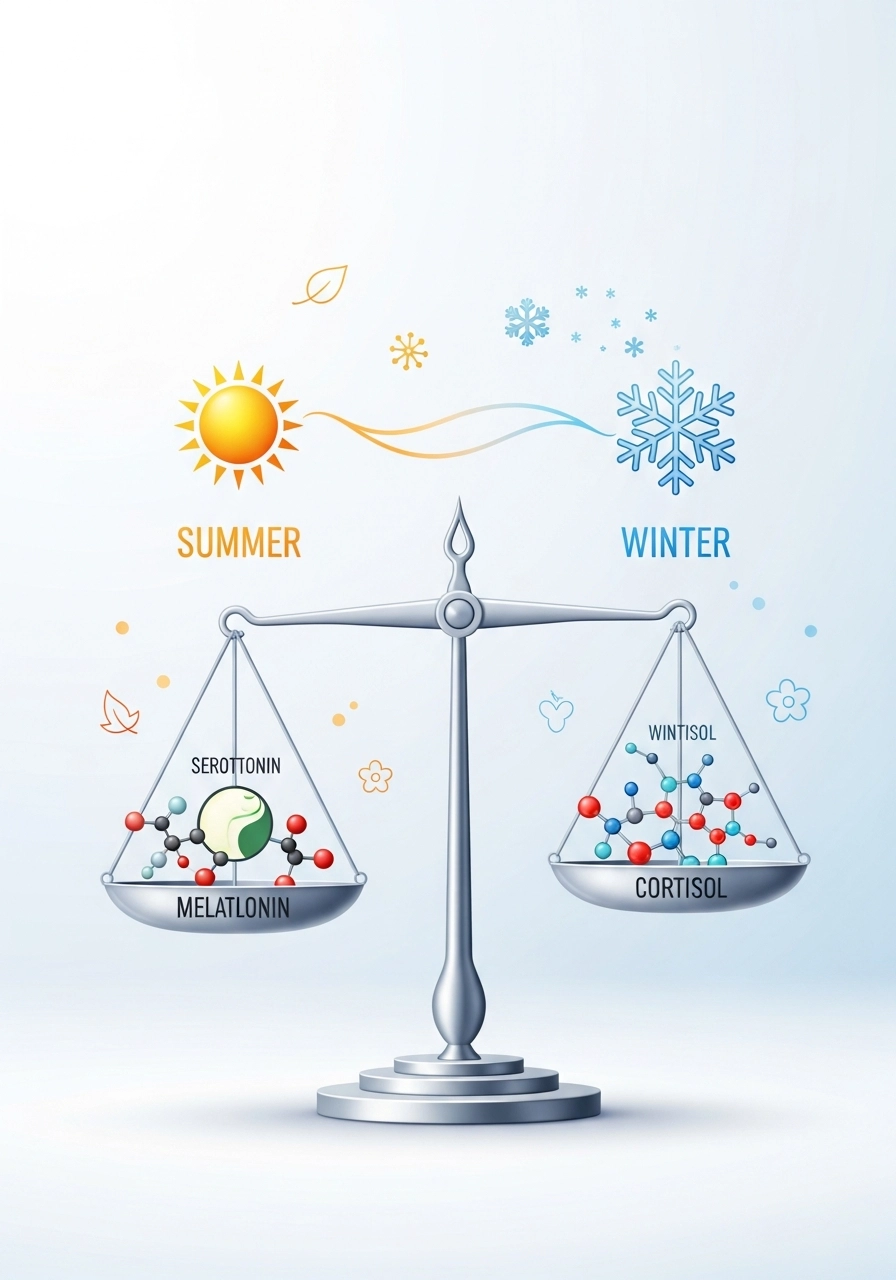
Why the pre-spring period is stressful for the body
Light and nutrient deficiency
By the end of winter, reserves of certain micronutrients become depleted, and lack of sunlight continues to affect biological rhythms. Together, this can cause feelings of fatigue even in the absence of external stressors.
Table 1. Main factors of seasonal strain
| Factor | Impact on the body |
|---|---|
| Short daylight hours | Disrupted biological rhythms |
| Micronutrient deficiencies | Reduced energy |
| Accumulated stress | Increased fatigue |
| Limited activity | Slowed metabolism |
These factors create a cumulative effect, requiring the body time to readjust.
Table 2. Typical manifestations during the adaptation period
| Symptom | Nature |
|---|---|
| Fatigue | Moderate, prolonged |
| Decreased concentration | Temporary |
| Mood swings | Reactive |
| Sleep disturbances | Unstable |
How to support the body during seasonal changes
Nutrition, sleep, and movement
The most effective approach is gentle support without drastic changes. Regular meals, stable sleep routines, and moderate physical activity help the body gradually adapt to spring conditions.
It is important to avoid sudden “resets” — strict diets, excessive workouts, or radical routine changes, which may increase stress.
Questions & Answers
Is this climate change or a seasonal reaction?
In most cases, this is a normal seasonal reaction of the body to changing environmental conditions.
How long does body adaptation last?
The adaptation period usually lasts from a few weeks up to a month.
When are symptoms considered normal?
If they are mild, do not progress, and do not disrupt quality of life.
Conclusions
Transition from winter to spring is a natural but energy-demanding process for the body.
Fatigue, emotional instability, and decreased tone during this period are usually functional signs of adaptation. A conscious approach to daily routines, nutrition, and physical activity helps pass this stage without extra strain and prepares the body for spring recovery.
References:
- WHO. Seasonal health adaptation.
- PubMed: Seasonal changes and hormone regulation.
- NICE. Lifestyle and circadian rhythm balance.
- Reviews on melatonin and serotonin seasonal variation.
- EFSA. Nutrition and metabolic adaptation.
About the Author