
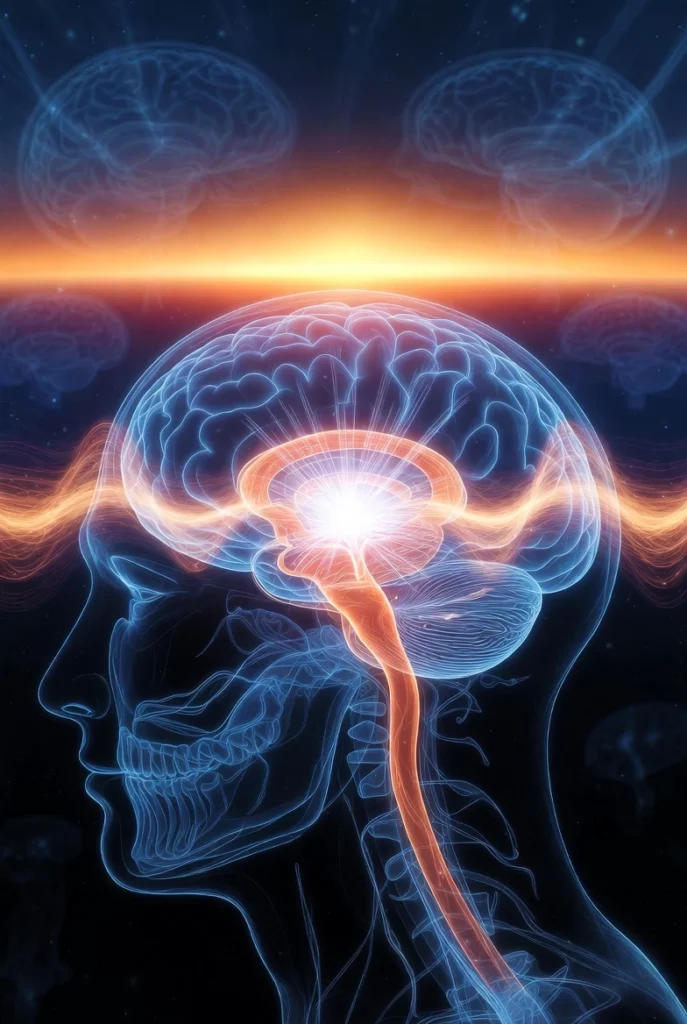
In spring, many people experience a phenomenon known as spring sleepiness — an increased need for sleep, decreased concentration, and fluctuations in productivity even with sufficient night rest. That is why many ask: why do we feel sleepy in spring even after a full night’s sleep?
This phenomenon is associated with the adaptation of circadian rhythms to the lengthening of daylight, changes in melatonin
Spring sleepiness is common in early season. Learn how circadian rhythms, melatonin, and light affect sleep and how to normalize it.
and cortisol secretion, as well as the reorganization of neurotransmitter systems.
Timely adjustment of light exposure, sleep hygiene, and behavioral factors can help stabilize the biological clock and reduce daytime sleepiness.
Why Circadian Rhythms Change in Spring
In spring, the human biological clock must adapt to the lengthening of daylight. This adjustment of circadian rhythms often causes spring sleepiness and changes in sleep patterns.
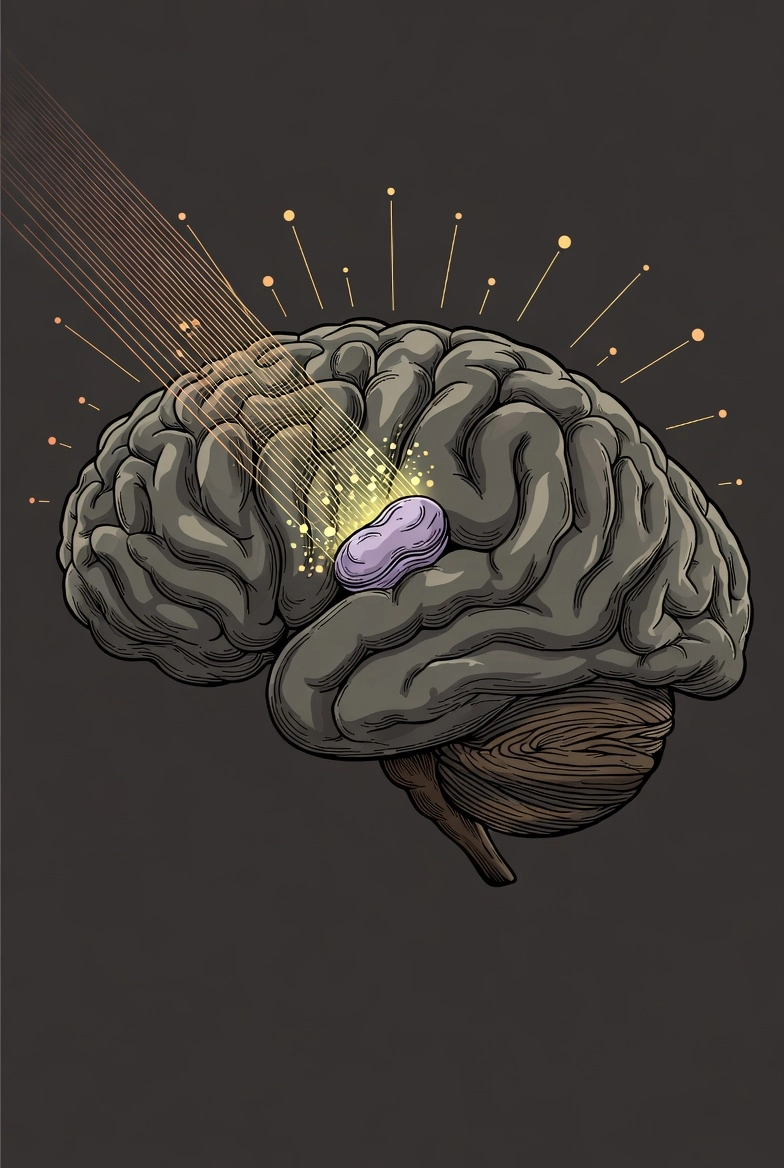
Circadian rhythms are an internal biological mechanism that regulates the sleep–wake cycle, body temperature, hormone secretion, and metabolic processes. The central regulator is the suprachiasmatic nucleus of the hypothalamus.
In spring, the light environment changes sharply, which affects the synchronization of the biological clock.
The Role of Melatonin
Melatonin is a hormone of the pineal gland that coordinates circadian rhythms. Its secretion depends on the light signal received through the retina.
With increasing daylight:
-
nighttime melatonin secretion decreases
-
the timing of its synthesis changes
-
the amplitude of the circadian signal decreases
This can lead to a temporary imbalance in the sleep–wake cycle.
Change in Daylight Duration
| Factor | Biological Mechanism | Consequence |
|---|---|---|
| Early dawn | Melatonin suppression | Early awakening |
| Increased daylight during the day | Activation of serotonin pathways | Mood change |
| Late sunset | Shift in circadian rhythm phase | Difficulty falling asleep |
Light is the strongest external synchronizer of the biological clock.
How Spring Sleepiness Affects Productivity
Instability of circadian rhythms can affect various body systems.
Neurocognitive Effects
-
decreased concentration
-
slowed reaction
-
difficulty making decisions
Metabolic Effects
| Process | Mechanism |
|---|---|
| Decreased energy | Cortisol imbalance |
| Attention disruption | Changes in dopamine signaling |
| Increased fatigue | Disruption of sleep phases |
Research shows that even minor circadian disruption can affect cognitive performance and metabolic balance. Similar mechanisms underlie the phenomenon of spring fatigue, which is accompanied by decreased energy and productivity during seasonal physiological adjustments.
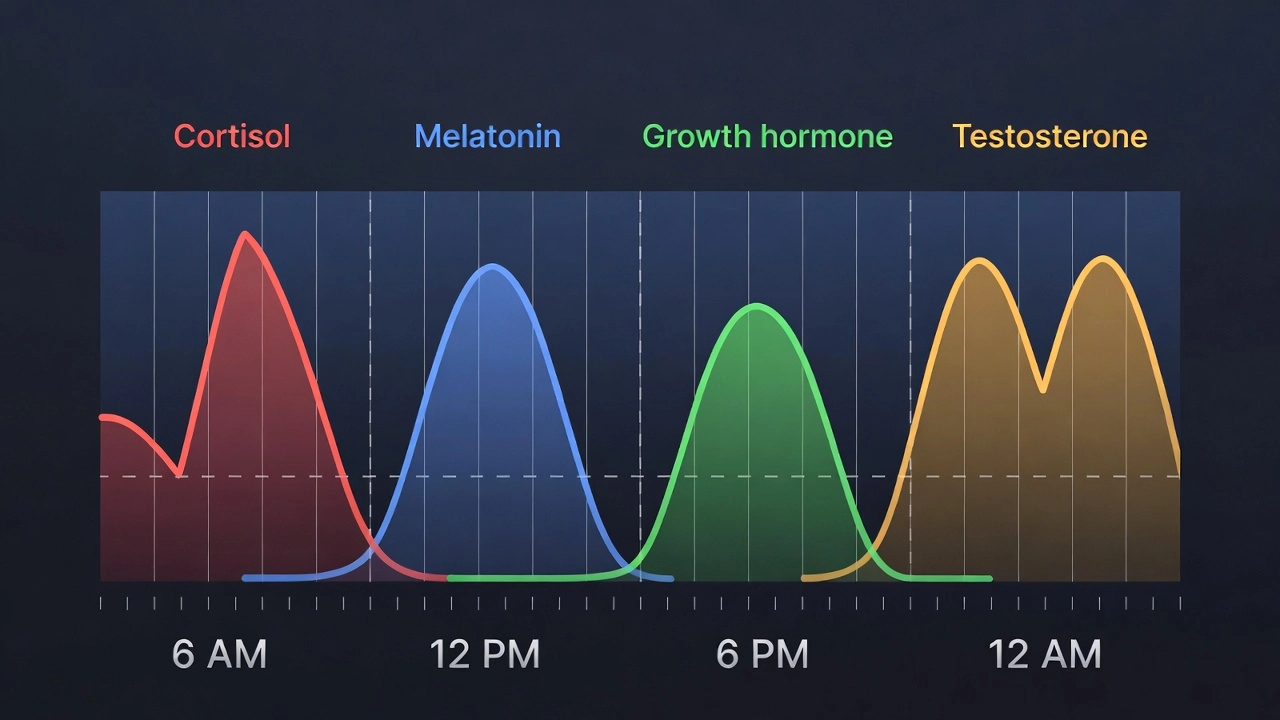
How to Normalize Sleep Patterns in Spring
Adjustment of circadian rhythms should be gradual and based on physiological principles.
Light Regimen
Proper light exposure is a key factor in synchronizing the biological clock.
| Recommendation | Physiological Effect |
|---|---|
| Morning sunlight | Activation of circadian centers |
| Minimizing screens in the evening | Increased melatonin |
| Daytime walks | Rhythm stabilization |
Morning light exposure can shift the circadian phase and improve morning alertness.
Sleep Hygiene
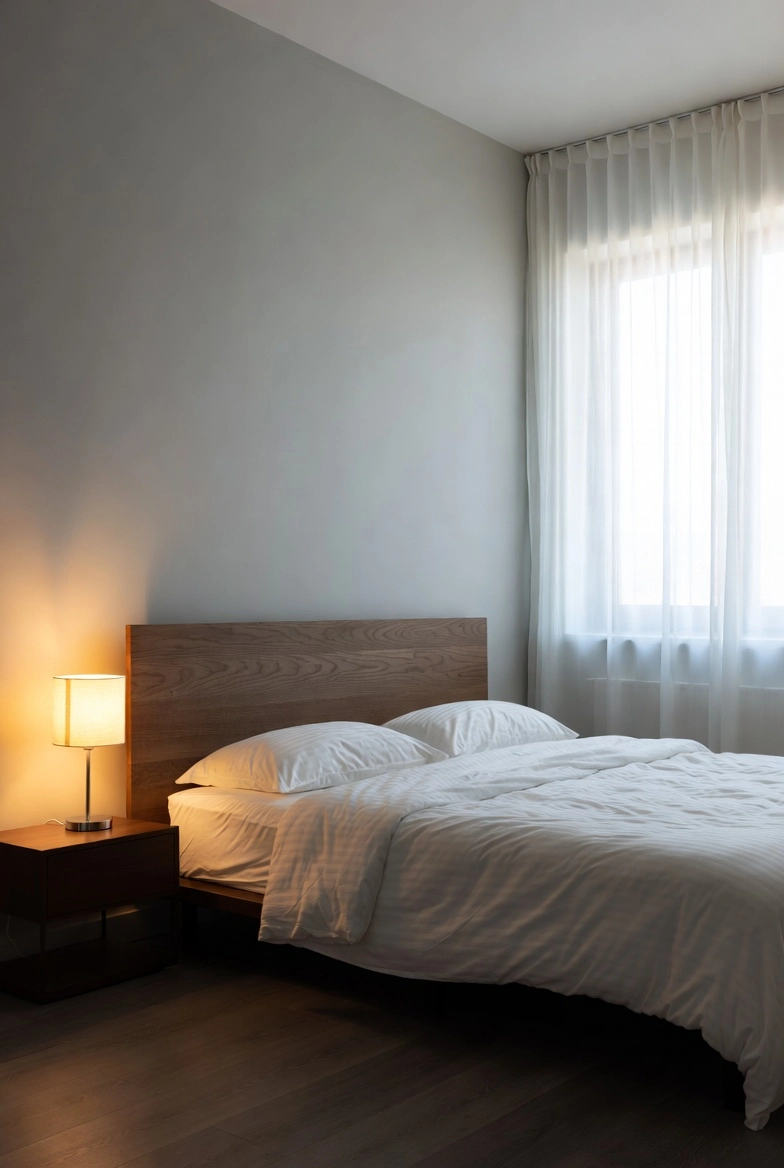
The main principles include:
-
consistent bedtime and wake-up time
-
comfortable bedroom temperature (18–20°C)
-
limiting caffeine after 3 p.m.
-
avoiding bright light before sleep
It is also important to limit stimulating factors in the evening.
Questions and Answers
Why do we feel sleepy in spring even after a full night’s sleep?
Due to the adaptation of circadian rhythms to changing daylight and hormonal signals.
Does a daytime nap help?
A short nap of 20–30 minutes can improve concentration without negatively affecting night sleep.
Can vitamins affect sleepiness?
Some micronutrients (magnesium, B vitamins) may support the nervous system, but the main factor remains circadian regulation.
Conclusions
Spring sleepiness is the result of neuroendocrine adaptation of the body to changes in the light regimen. Stabilizing circadian rhythms through light control, sleep scheduling, and behavioral factors helps reduce sleepiness and improve productivity.
References
-
Walker M. Why We Sleep: Unlocking the Power of Sleep and Dreams. Scribner, 2017.
-
Czeisler C.A., Gooley J.J. Sleep and circadian rhythms in humans. Cold Spring Harbor Symposia on Quantitative Biology, 2007.
-
Wright K.P. et al. Entrainment of the human circadian clock to the natural light-dark cycle. Current Biology, 2013.
-
Chang A.M. et al. Evening use of light-emitting devices negatively affects sleep. PNAS, 2015.
-
Roenneberg T., Merrow M. The circadian clock and human health. Current Biology, 2016.
-
Zee P.C., Turek F.W. Sleep and circadian rhythms in health and disease. Nature Reviews Neuroscience, 2020.
About the Author