
Despite the end of the winter season, spring colds remain a common occurrence. In spring, many people continue to experience acute respiratory infections.
This is associated with several factors: depletion of the immune system after the winter period, seasonal changes in circadian rhythms, temperature fluctuations, and increased stress on the body’s adaptive mechanisms.
In spring, the immune system undergoes a period of adjustment, which may temporarily reduce the body’s ability to resist viral infections. Understanding these mechanisms allows more effective prevention of seasonal illnesses.
Why immunity may be weakened after winter
The immune system constantly interacts with environmental factors. During the winter period, it often operates under increased stress due to frequent contact with viruses and bacteria.
Depletion of the body’s resources
Prolonged exposure to stress factors may affect the effectiveness of the immune response.
These factors include:
-
insufficient physical activity
-
seasonal lack of sunlight
-
frequent respiratory infections
As a result, a temporary decrease in the activity of certain components of the immune system may occur.
| Factor | Biological mechanism | Potential effect |
|---|---|---|
| Lack of sunlight | Reduced vitamin D synthesis | Weakened immune regulation |
| Chronic stress | Increased cortisol levels | Reduced immune response |
| Insufficient sleep | Disruption of circadian regulation | Higher risk of infections |
Studies show that sleep and circadian rhythms play an important role in the functioning of the immune system.
Risk factors for spring colds
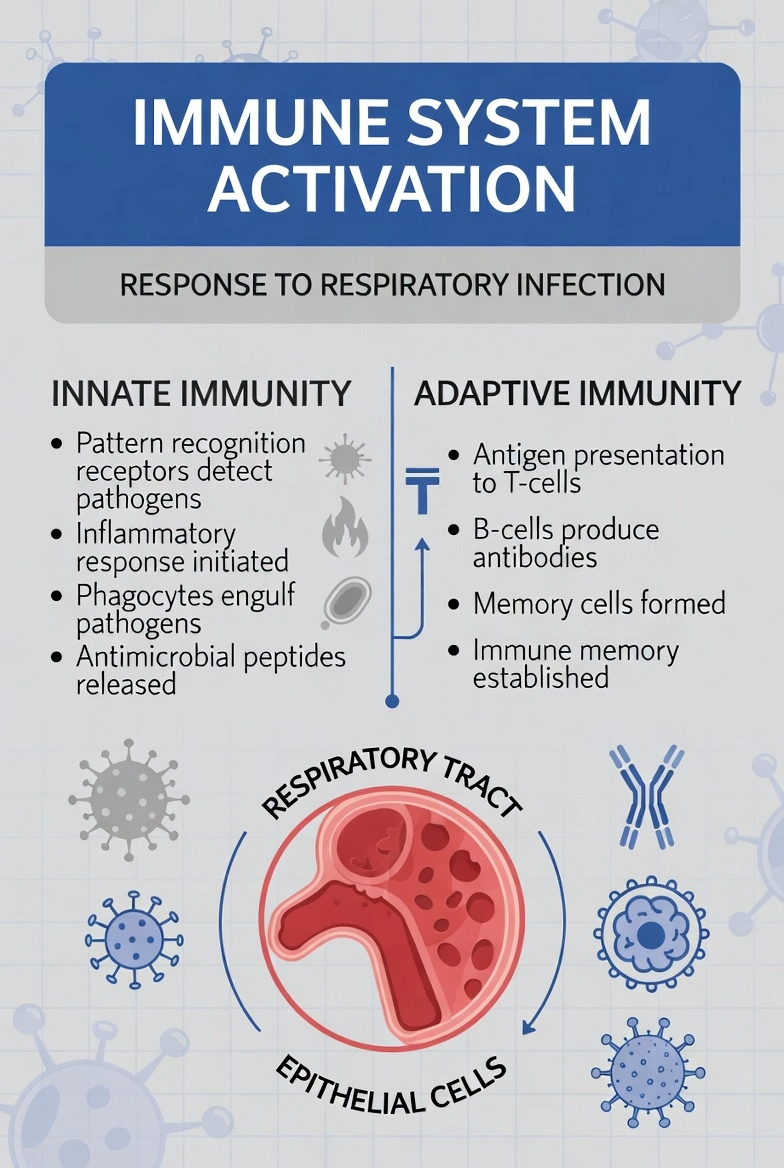
Spring colds often occur due to a combination of several factors.
| Factor | How it affects the body |
|---|---|
| Temperature fluctuations | Disruption of thermoregulation |
| Weakened immunity | Reduced antiviral defense |
| Contact with viruses | Spread of infections in groups |
| Unstable sleep schedule | Weakened immune response |
Sudden weather changes may create additional stress on the body, especially if a person already has signs of seasonal fatigue or asthenia.
How to reduce the risk of infections
Prevention of seasonal respiratory infections is based on supporting the body’s natural defense mechanisms.
Main recommendations
| Practice | Biological effect |
|---|---|
| Adequate sleep | Support of immune regulation |
| Regular physical activity | Improved immune response |
| Balanced nutrition | Supply of micronutrients |
| Exposure to daylight | Regulation of circadian rhythms |
It is also important to follow basic principles of infection prevention:
-
regular hand washing
-
ventilation of indoor spaces
-
avoiding contact with sick people
These simple measures can significantly reduce the risk of infection.
Questions and answers about spring colds
Why do people continue to get colds in spring?
The immune system may be weakened after the winter period, and temperature fluctuations create additional stress on the body.
Do vitamins help prevent colds?
Micronutrients may support normal immune system function, but they do not replace a healthy lifestyle.
When should you see a doctor?
If cold symptoms last longer than 7–10 days or are accompanied by high fever and complications.
Conclusions
Spring colds are the result of seasonal adaptation of the body and a combination of external and internal factors. Supporting the immune system through a healthy lifestyle, adequate sleep, and balanced nutrition helps reduce the risk of infections during the transitional season.
References
-
Besedovsky L., Lange T., Born J. Sleep and immune function. Pflugers Archiv.
-
Iwasaki A., Medzhitov R. Regulation of adaptive immunity by innate immune responses. Science.
-
Calder P.C. Nutrition, immunity and COVID-19. BMJ Nutrition.
-
Walker M. Why We Sleep. Scribner.
-
National Institutes of Health. Immune system overview.
-
WHO. Respiratory infections and prevention guidelines.
About the Author