

In spring, the body often experiences fatigue, lack of energy, and a slight “drop” in immunity. That’s why the question what to eat in spring becomes especially relevant. The reason is simple: winter depletes reserves, and the diet was not very diverse. That’s why spring is not about diets, but about gentle recovery. More fresh vegetables, enough protein, healthy fats, and less heavy food. No sudden changes — and then the body gradually adapts to the new season.
Spring is a period when the body needs a “reset,” but not through fasting or detoxes — rather through balanced nutrition.
Main rule: keep it simple.
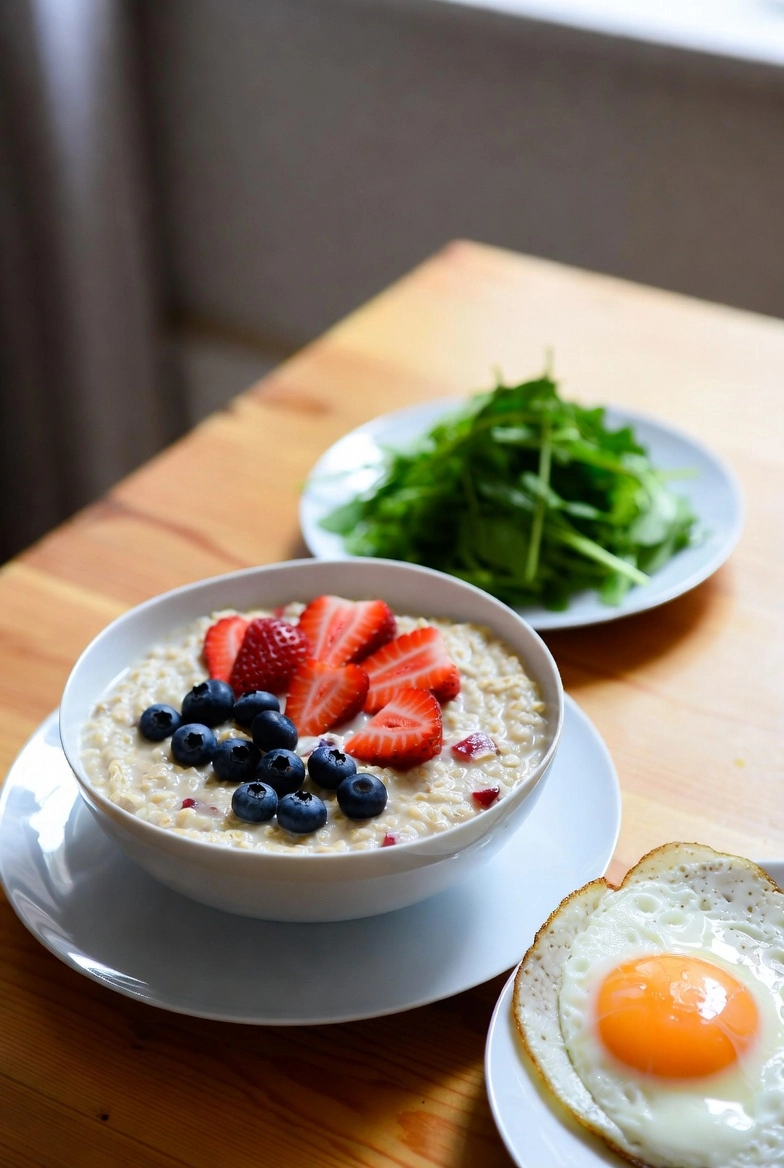
What to eat in spring when feeling tired and low on energy
Spring fatigue is a common phenomenon often associated with seasonal changes, daily routine, and diet. During this period, it’s important for the body to get stable energy from food rather than quick “spikes” from sugar.
To support your well-being, it’s worth focusing on:
- proteins (eggs, fish, legumes) — help recovery and provide steady energy
- complex carbohydrates (grains, whole-grain products) — ensure long-lasting satiety
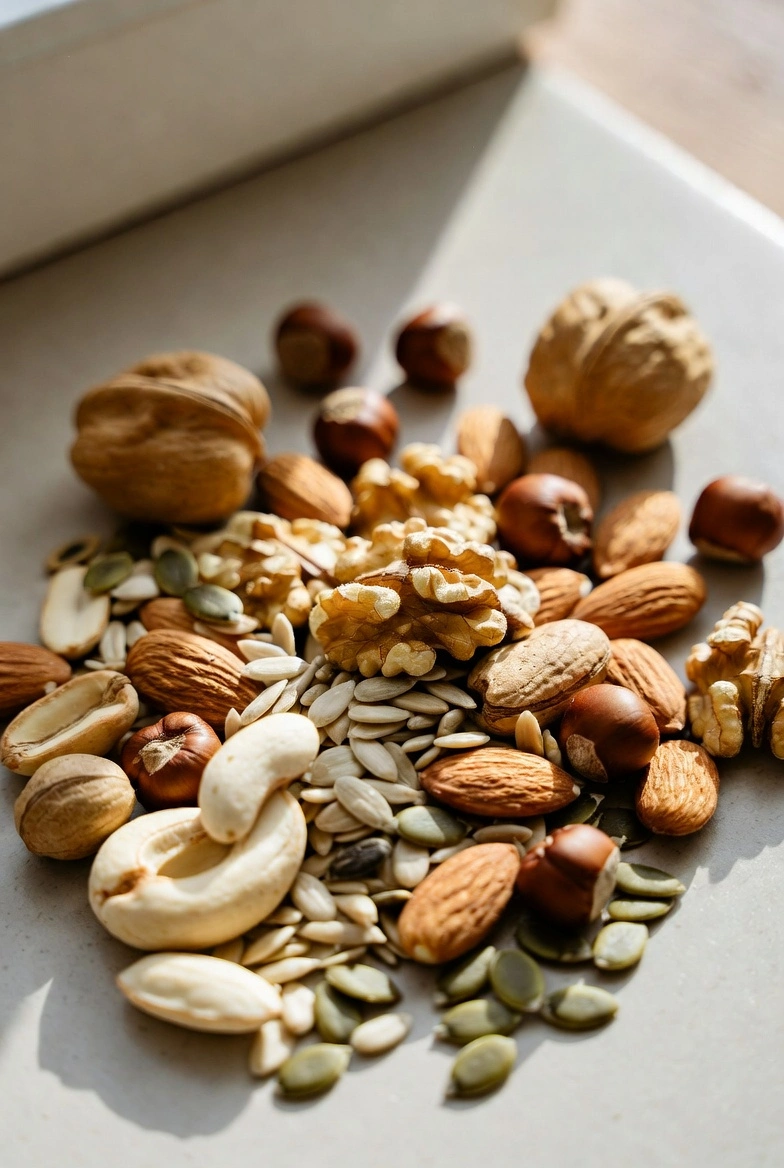
- fats (nuts, seeds) — support metabolic processes
- greens and vegetables — a source of vitamins and fiber
This approach helps avoid sharp energy fluctuations and supports the body during the transition to spring.
Seasonal foods: what to eat in spring to support health
Vegetables and fruits rich in vitamins
After winter, the body especially “craves”:
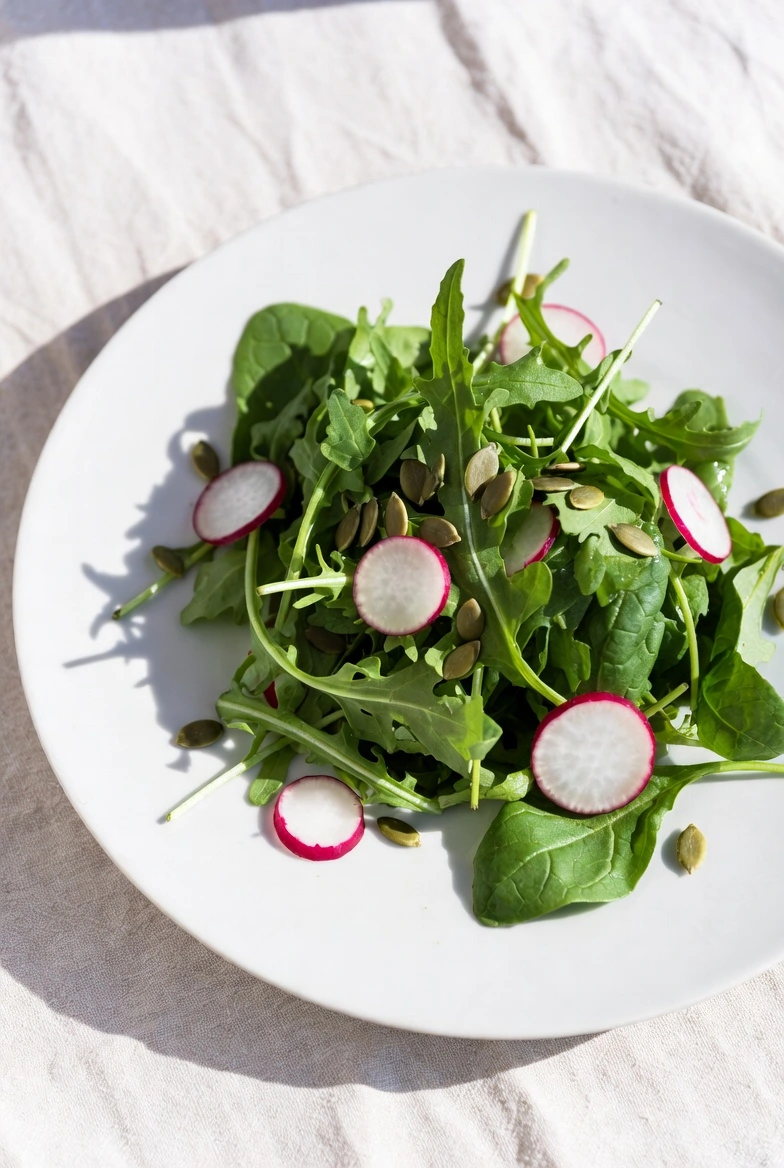
- greens (spinach, arugula, dill)
- radish
- early vegetables
They’re not magical, but they:
- contain vitamins (especially C and folates)
- support digestion
- create a feeling of lightness
And one more thing: no need to look for exotic foods. Regular seasonal products work just as well.
Foods with micronutrients
In spring, there is often a lack of:
- iron
- magnesium
- zinc
What helps:
- eggs
- fish
- nuts
- legumes
- grains
This is the foundation that truly affects energy — not a “smoothie with 12 ingredients.”
Table 1. Healthy foods in spring
| Group | Examples | Benefits |
|---|---|---|
| Greens | Spinach, arugula | Vitamins, antioxidants |
| Vegetables | Radish, carrot | Fiber, lightness |
| Proteins | Eggs, fish, legumes | Body recovery |
| Fats | Nuts, seeds | Energy, hormonal balance |
| Grains | Buckwheat, oatmeal | Stable energy |
What to limit in your spring diet
Spring isn’t about restrictions, but some things really make you feel worse.
Heavy and fatty foods
After winter, the body is already “overloaded.”
And if you add:
- a lot of fried food
- fatty dishes
- overeating
you’ll get:
heaviness, drowsiness, and low energy.
Excess sugar and salt
Sugar gives a quick boost, but then the same drop.
Too much salt:
- retains water
- causes a “puffy” feeling
And this also affects how you feel.
Common spring nutrition mistakes
The desire to “reset” the body in spring is normal. But some approaches can actually make you feel worse.
- Harsh detox
Strict restrictions or “cleanses” can create additional stress for the body. - Only salads
Not enough protein and fats often leads to fatigue and constant hunger. - Lack of protein
Without enough protein, it’s harder to maintain energy and normal body function.
A more effective approach is gradual changes and balanced nutrition without extremes.
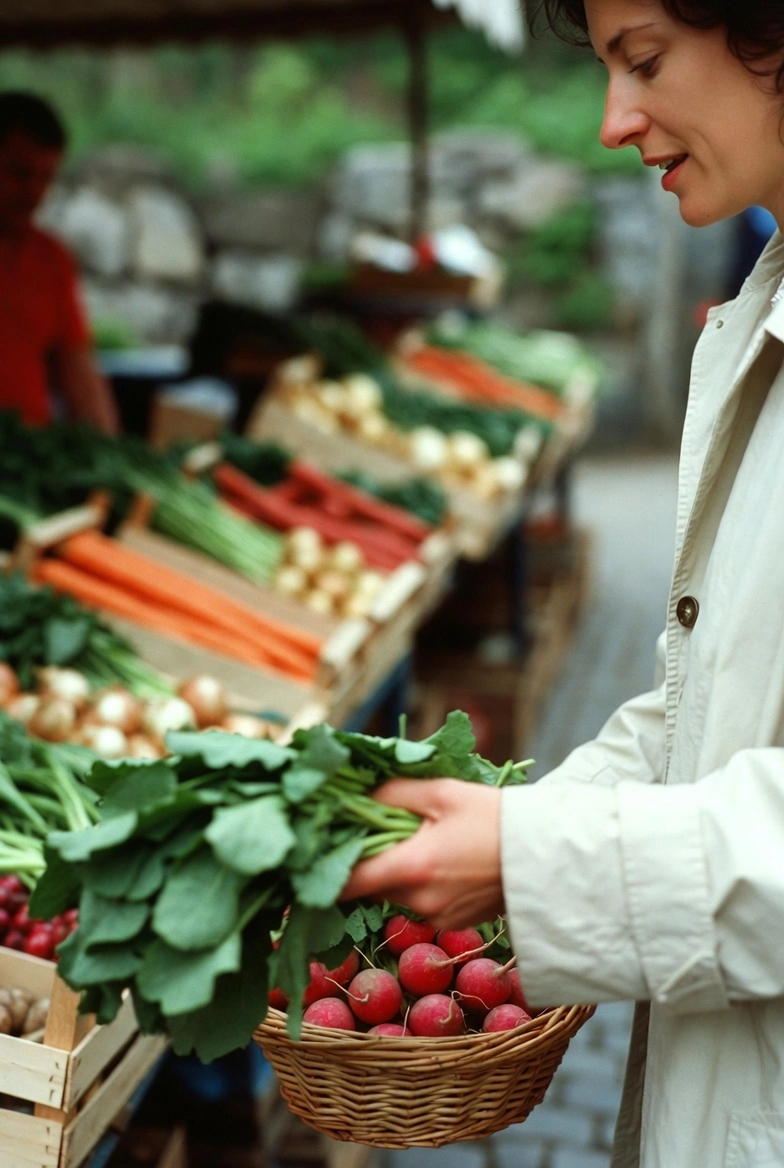
How to organize your spring diet without overload
No extremes here. No need to change everything at once.
Gradual introduction of fresh foods
No need to switch to “only salads” right away.
Better to:
- add fresh vegetables to привычным блюдам
- gradually increase their amount
- listen to your body’s response
This way, adaptation is more comfortable.

Balanced combination of proteins, fats, and carbohydrates
It may sound simple, but it works better than any trends.
Each meal should ideally include:
- protein
- some fats
- complex carbohydrates
This provides:
- stable energy
- normal digestion
- fewer “emotional snacking” episodes
Table 2. Simple example of a daily meal plan
| Meal | Example |
|---|---|
| Breakfast | Oatmeal + egg + greens |
| Lunch | Grains + fish/chicken + vegetables |
| Snack | Nuts or yogurt |
| Dinner | Vegetables + protein (fish/legumes) |
What a simple 3-day menu looks like
A sample meal plan helps better understand what to eat in spring without complicated schemes or restrictions.
Day 1
- Breakfast: oatmeal, egg, greens
- Lunch: buckwheat, chicken, vegetables
- Snack: yogurt or nuts
- Dinner: stewed vegetables and fish
Day 2
- Breakfast: omelet with vegetables
- Lunch: rice, fish, salad
- Snack: fruit and a handful of nuts
- Dinner: legumes and vegetables
Day 3
- Breakfast: yogurt, seeds, fruits
- Lunch: grains, turkey, vegetables
- Snack: cottage cheese or nuts
- Dinner: vegetables and eggs
This format of eating helps maintain stable energy throughout the day without overloading the body.
Questions and answers
Do you need vitamins in spring?
Sometimes yes, but not for everyone. Before adding supplements, it’s worth adjusting your diet and understanding what to eat in spring to cover basic needs. In some cases, the need for vitamins is determined individually after consulting a doctor.
Should you do a “detox”?
No. The body has its own cleansing mechanisms and usually does not need special “detox” programs. It’s much more effective to support it through balanced nutrition, adequate water intake, and a regular eating routine in spring.
Why do you crave sweets in spring?
This may be related to fatigue, lack of energy, and changes in the usual diet. Fast carbohydrates give a short-term effect but don’t solve the problem. If you add more protein, complex carbohydrates, and regular meals, the craving for sweets usually decreases.
Can you drastically change your diet?
You can, but it’s not always comfortable for the body. Sudden changes can affect digestion and overall well-being. It’s better to gradually introduce new foods and build a spring diet without overload.
Conclusions
Spring nutrition is not about restrictions but about balance and gradual adaptation of the body to seasonal changes. Understanding what to eat in spring helps maintain energy, well-being, and a stable rhythm without overload.
In short:
- add more fresh and seasonal foods
- reduce heavy and overly fatty foods
- maintain a balance of proteins, fats, and carbohydrates
- avoid sudden dietary changes
Even simple dietary changes in spring can help support energy and a comfortable state without unnecessary restrictions.
This material is for informational purposes only and does not replace medical advice.
References
- World Health Organization. Healthy diet guidelines.
- European Food Safety Authority. Dietary reference values.
- Centers for Disease Control and Prevention. Nutrition and healthy eating.
- Willett W, et al. Food in the Anthropocene. The Lancet. 2019.
- Mozaffarian D. Dietary and policy priorities for cardiovascular disease. Circulation. 2016.
- Slavin JL. Dietary fiber and body weight. Nutrition. 2005.
- Calder PC. Nutrition and immunity. BMJ. 2020.
About the Author