How to support the pancreas, avoid heaviness after meals, and improve nutrient absorption.
Introduction
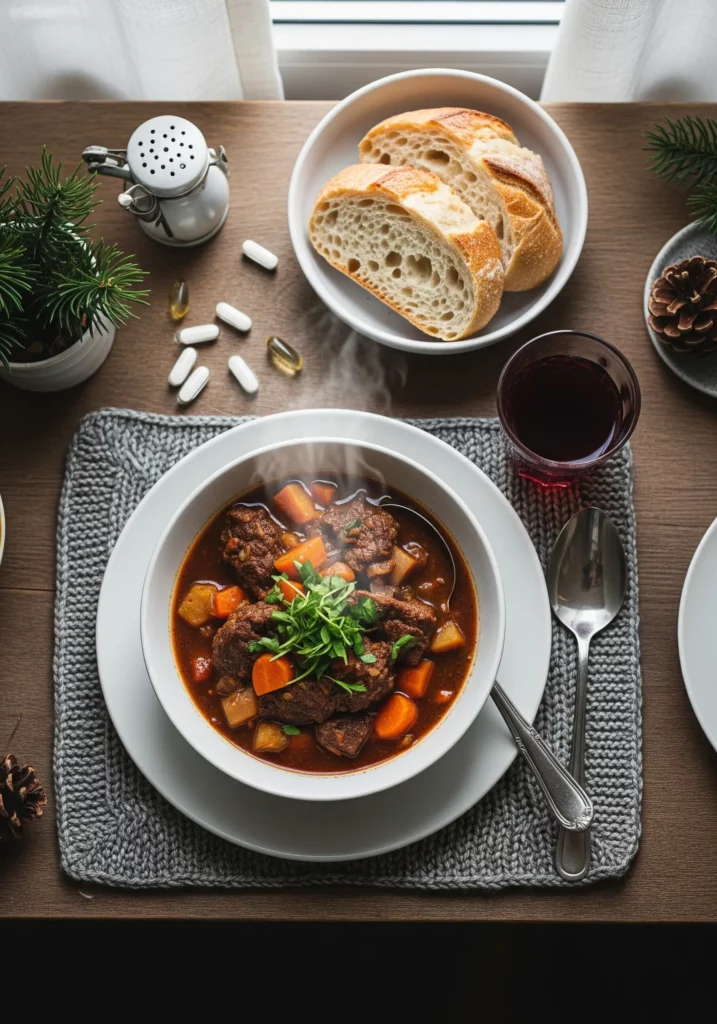
Winter is a season of hearty, fatty, and calorie-dense foods.
Even healthy people experience increased strain on the pancreas — the main source of digestive enzymes.
The result: heaviness after meals, bloating, drowsiness, and nutrient deficiencies despite a full diet.
This is where digestive enzymes come to help — protein molecules that break down food into “building blocks” for absorption.
Taking them additionally does not “unbalance” the stomach, as some believe, but rather relieves excess load and improves metabolic efficiency.
Main Types of Digestive Enzymes
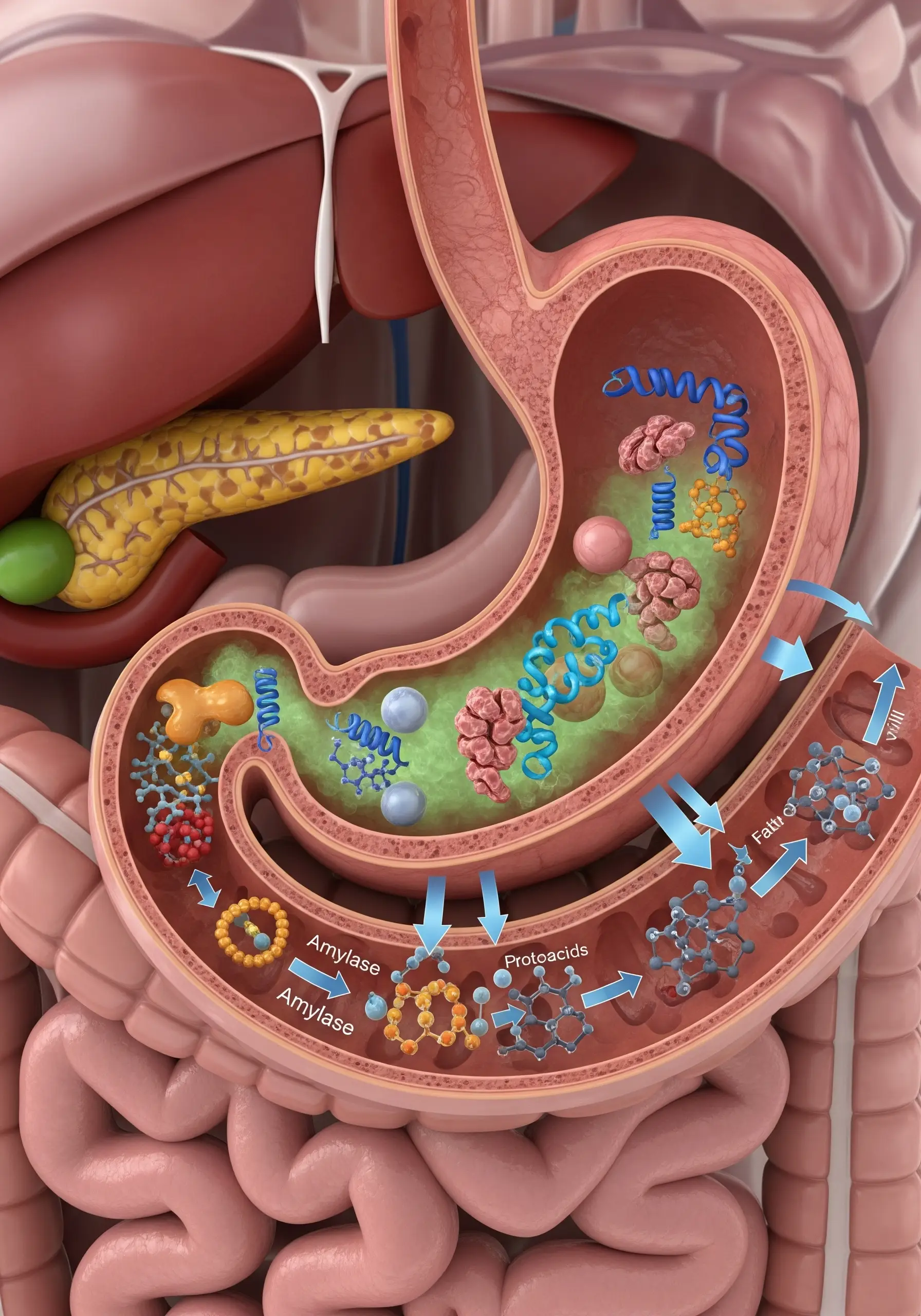
Enzymes are biological “scissors” that cut complex molecules into simpler ones.
There are three main groups:
| Enzyme Type | Breaks Down | Source / Example |
|---|---|---|
| Proteases | Proteins → amino acids | Pancreatin, bromelain, papain |
| Lipases | Fats → fatty acids | Pancreatic lipase, fungal lipases |
| Amylases | Carbohydrates → glucose | Salivary and pancreatic amylase |
There are also auxiliary enzymes — lactase, alpha-galactosidase, pectinase — which help digest dairy products, legumes, and fruits. Also read about youth enzymes, known as antioxidants, in the article “Youth Enzymes: Superoxide Dismutase, Catalase, Glutathione Reductase“. You can choose high-quality enzymes in the online store medizine.ua.
How Enzymes Ease Digestive Work
-
Reduce the load on the pancreas — especially during large feasts.
-
Improve protein and fat absorption — more energy, less heaviness.
-
Reduce gas and bloating — thanks to alpha-galactosidase.
-
Improve skin condition — through better lipid metabolism and toxin elimination.
A study in Nutrients (2024) showed that people who took enzyme complexes after main meals for 14 days experienced a 52% reduction in the duration of heaviness and a 41% reduction in bloating.
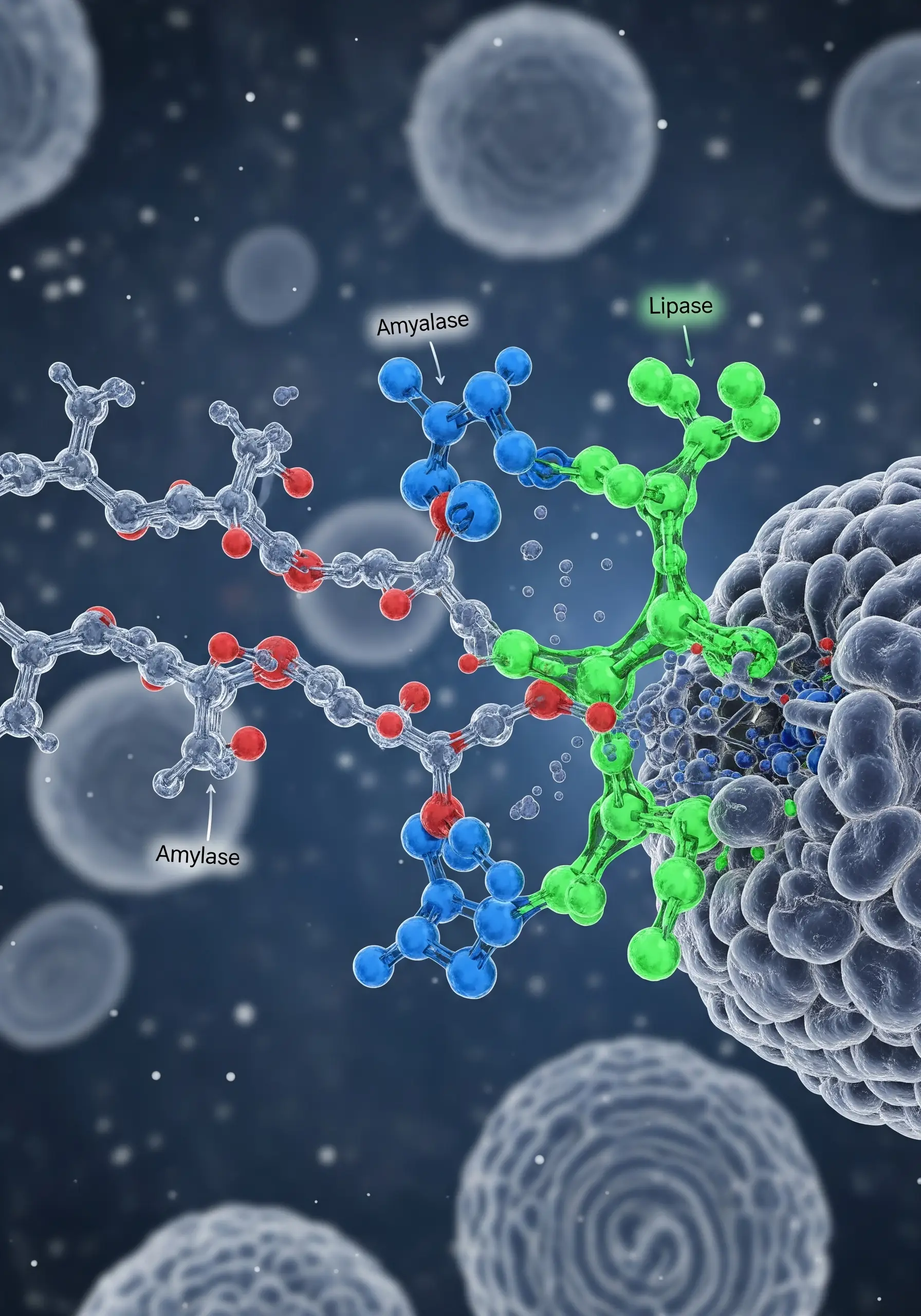
Table 1. Key Digestive Enzymes
| Name | Main Function | Optimal Use |
|---|---|---|
| Lipase | Breaks down fats | With fatty or fried foods |
| Protease | Breaks down proteins | To improve meat and fish digestion |
| Amylase | Digests starches | With bread, porridge, potatoes |
| Alpha-galactosidase | Reduces gas formation | With legumes and vegetables |
| Lactase | Digests lactose | For people with milk intolerance |
When It’s Beneficial to Take Enzymes
-
After hearty festive meals;
-
During low activity or overeating;
-
If you experience bloating, gas, belching, heaviness after meals;
-
On high-protein diets (sports nutrition);
-
During recovery after illness or antibiotic therapy.
Enzymes do not replace digestion but help when the body is overloaded.

Table 2. Optimal enzyme combinations
| Goal | Combination | Result |
|---|---|---|
| Heaviness after fatty foods | Lipase + bile acids + D3 | Improved bile flow |
| After overeating | Pancreatin + protease + amylase | Lightness and faster digestion |
| Flatulence and bloating | Alpha-galactosidase + pectinase | Less gas, stomach comfort |
| Milk intolerance | Lactase | Better lactose digestion |
How to Take
-
Dosage: depends on the composition, usually 1–2 capsules during or immediately after meals.
-
Duration: from occasional use (after overeating) to courses of 2–4 weeks.
-
Combination: can be combined with probiotics — they improve gut flora and digestion.
-
Contraindications: acute pancreatitis (in the inflammatory phase).
FAQ
1. Can enzymes be taken continuously?
Yes, in cases of chronic pancreatic insufficiency or in older age — under a doctor’s supervision.
2. Will the stomach “forget” how to work on its own?
No, enzymes act in the intestinal lumen without suppressing the body’s own secretion.
3. Do they help with bloating after vegetables?
Yes, alpha-galactosidase and pectinase effectively reduce gas formation.
4. When is it better to take them — before or after meals?
During or immediately after meals so that enzymes mix with food.
5. Can they be combined with hepatoprotectors or bile supplements?
Yes, this can even enhance the effect, especially with heavy meals.
Conclusion
Digestive enzymes are not “stomach medicines” but a tool for better assimilation of life.
In winter, when we eat more and move less, supporting digestion helps prevent heaviness, constipation, and nutrient deficiencies.
Regular use of enzymes in reasonable doses helps feel light after meals, improve metabolism, and support gut flora.
References
-
Martens, M. Nutrients, 2024 — “Pancreatic enzyme supplementation and digestive efficiency in healthy adults.”
-
EFSA, 2024 — “Safety assessment of microbial digestive enzymes.”
-
Patel, R. World Journal of Gastroenterology, 2023 — “Clinical efficacy of alpha-galactosidase and lipase combinations.”
-
Sudo, T. Journal of Functional Foods, 2024 — “Enzyme support and metabolic response after heavy meals.”
-
Lee, H. Gut Microbes, 2025 — “Synergy of enzymes and probiotics in gut health.”
About the Author