

At the end of winter, frequent colds in children at the end of winter become a common occurrence due to immune exhaustion, lack of light, nutrients, and prolonged time spent in enclosed groups. This is a physiological seasonal phenomenon associated with seasonal colds in children and weakened immunity.
Proper prevention — sleep, nutrition, hygiene, and physical activity — reduces the risk of respiratory infections in children without excessive medication.
Why children get sick more often at the end of winter
Weakened immune response
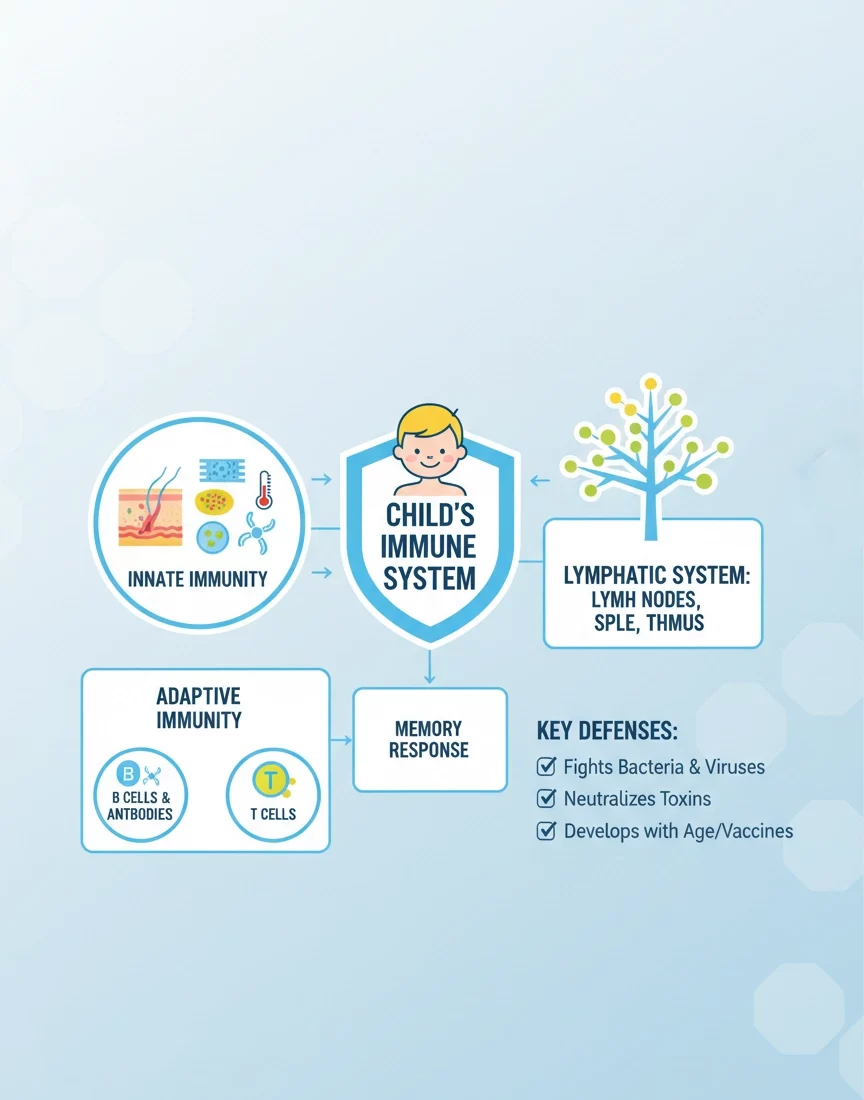
A child’s immune system at the end of the cold season operates under increased stress. Prolonged exposure to viruses, dry air, lack of ultraviolet light, and vitamin D deficiency reduce the activity of innate immunity.
Decreases include:
-
Natural killer cell activity
-
Interferon production
-
Barrier function of mucous membranes
The body seems to operate “on residual fuel.”
Main risk factors
Children’s groups and nutrient deficiencies
Kindergartens and schools create conditions for the rapid spread of infections in children’s groups. An additional factor is unbalanced nutrition.
| Factor | Why it matters | Consequence |
|---|---|---|
| Dry air | Damage to mucous membranes | Easier virus penetration |
| Overfatigue | Reduced immune response | Frequent respiratory infections |
| Protein deficiency | Weakened antibody synthesis | Slower recovery |
| Vitamin D deficiency | Immune regulation disruption | Higher risk of infections |
Immunity is not just about “vitamin C”; it is a complex system that requires comprehensive support and respiratory infection prevention in children.
Cold prevention without medication
Nutrition, sleep, and hygiene
The most effective methods remain basic for preventing seasonal colds in children:
-
9–11 hours of sleep depending on age to support immunity.
-
Adequate protein intake for better antibody synthesis.
-
Regular ventilation of rooms.
-
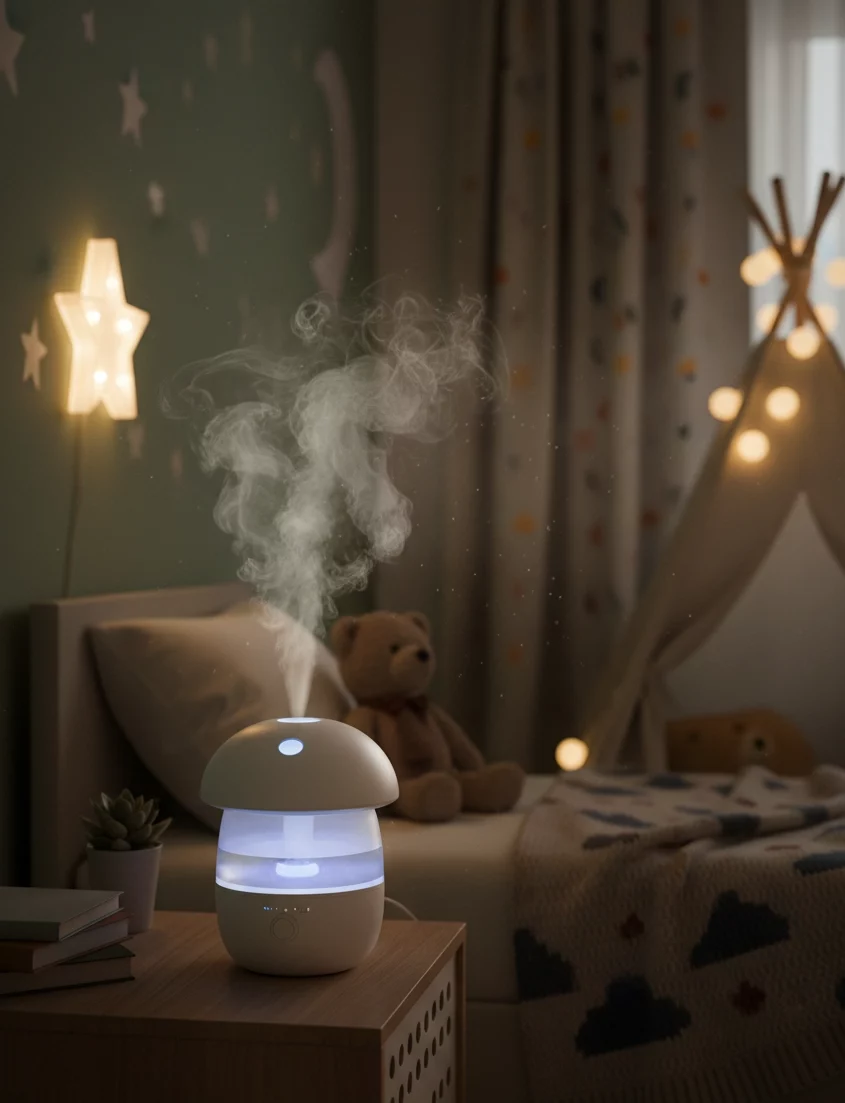
Air humidity 40–60%.
-
Hand hygiene and contact control in children’s groups.
What really works in prevention
| Measure | Mechanism | Result |
|---|---|---|
| Adequate sleep | T-cell recovery | Stronger immune response |
| Protein in diet | Antibody synthesis | Better protection against respiratory infections |
| Physical activity | Improved blood circulation | Immune activation and general prevention of seasonal colds in children |
| Daylight | Vitamin D regulation | Support of protective mechanisms |
These simple measures — adequate sleep, balanced nutrition, physical activity, and sufficient daylight — really help avoid frequent colds in children at the end of winter and strengthen immunity without excessive medication.

Questions and answers about frequent colds in children at the end of winter
Is it normal for a child to get sick often in winter?
Yes, 6–8 episodes of respiratory infections per year in preschool children can be considered within the normal range.
How to support a child’s immunity?
Through routine, sleep, nutrition, and physical activity for children. Supplements are only advisable if indicated.
When is it appropriate to do tests?
If infections are too frequent, have complications, or last longer than usual.
Conclusions
Frequent colds in children at the end of winter are a regular occurrence, not a catastrophe. A rational approach to prevention reduces the number of episodes without excessive medication intervention.
References
-
WHO. Respiratory infections in children.
-
AAP Clinical Practice Guidelines on common cold.
-
Martineau A.R. Vitamin D and respiratory infections.
About the Author