

Temperature fluctuations in spring, as well as changes in humidity and atmospheric pressure, can be accompanied by headaches, fatigue, impaired concentration, blood pressure changes, and general discomfort in weather-sensitive individuals.
This phenomenon is often described as weather sensitivity or meteoropathy — a condition in which the body adapts less effectively to weather changes. Most often, symptoms are not caused by the “weather itself,” but by the response of the nervous, vascular, and neuroendocrine systems to changes in external factors.
Data from reviews and clinical observations confirm the link between weather fluctuations and the intensification of headaches, chronic pain, mood changes, and decreased work capacity.

Why Weather Fluctuations Increase in Spring
Spring is a transitional season, characterized by rapid changes in air masses, alternating cold and warm fronts, and instability in atmospheric pressure and humidity. For the body, this means a constant need to adjust thermoregulation, vascular tone, and autonomic responses.
In some people, adaptation occurs almost unnoticed, while in others it is accompanied by symptoms they describe as a “reaction to the weather.”
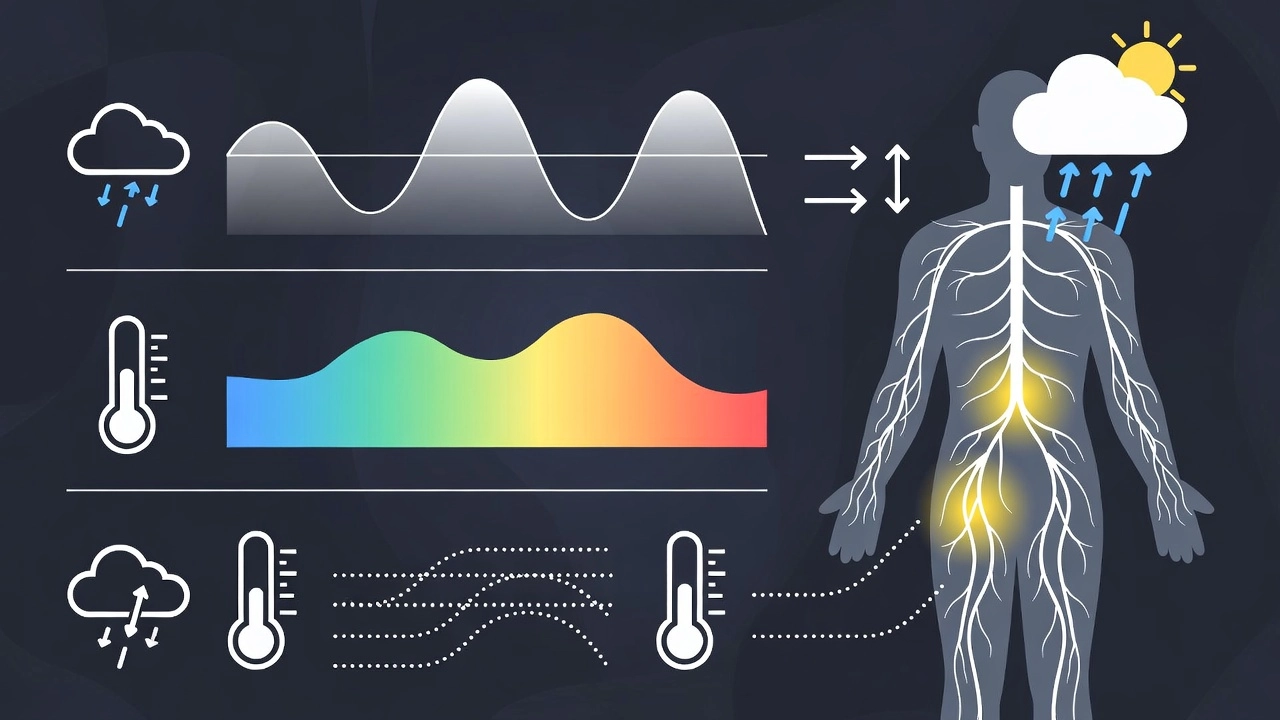
Atmospheric Pressure
Changes in atmospheric pressure are most often discussed in the context of headaches, migraines, dizziness, and blood pressure fluctuations. There is evidence that weather-sensitive individuals may tolerate periods of sharp barometric changes worse, especially when combined with wind, high humidity, and unstable temperatures.
Narrative and systematic reviews of meteoropathy describe a connection between such changes and the occurrence of headaches, irritability, sleep disturbances, and reduced overall well-being.
Weather Sensitivity
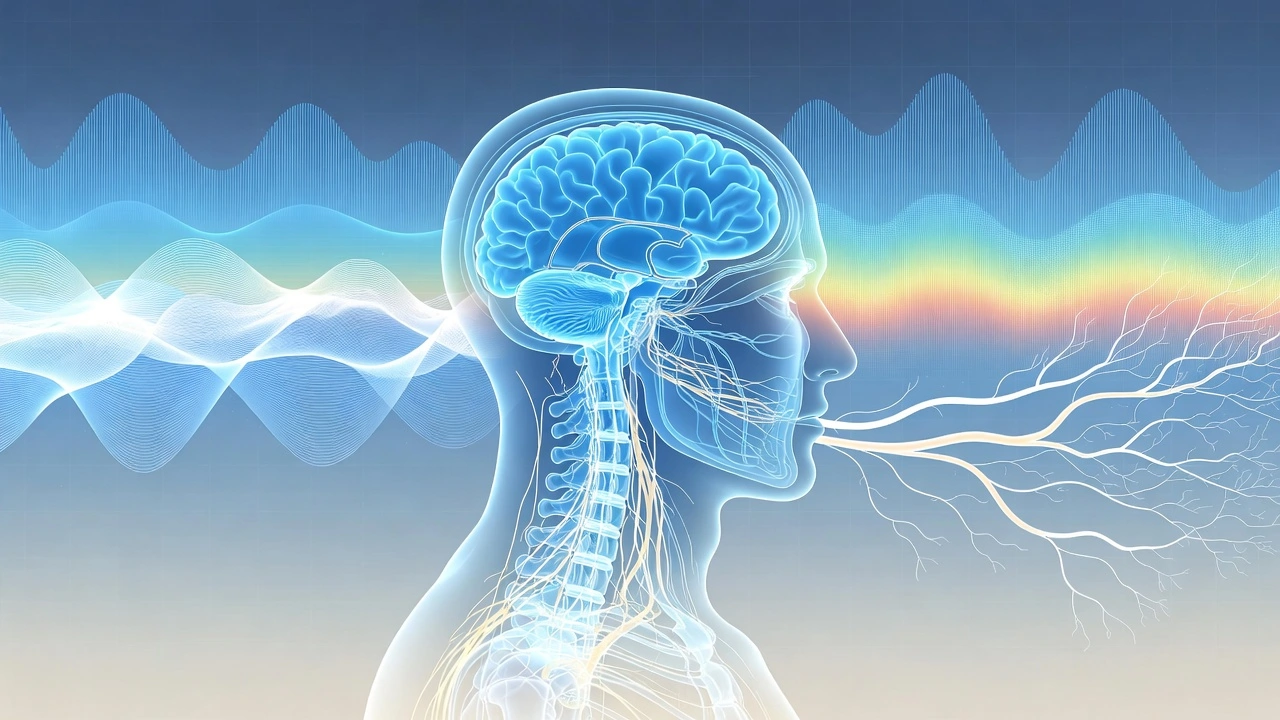
Weather sensitivity is not an official diagnosis in the classical sense, but in medical literature, the terms meteosensitivity and meteoropathy are used to describe conditions in which weather factors noticeably affect physical or psycho-emotional well-being. In such individuals, changes in temperature, humidity, light, or pressure can provoke spring fatigue, headaches, drowsiness, mood swings, and increased pain with chronic conditions.
| Weather Factors | Potential Physiological Effect | Possible Symptoms |
|---|---|---|
| Temperature Fluctuations | Adjustment of thermoregulation and vascular tone | Fatigue, weakness |
| Drop or spike in atmospheric pressure | Autonomic and vascular responses | Headache, dizziness |
| High humidity | Impact on heat exchange and well-being | Lethargy, discomfort |
| Strong wind and frontal changes | Additional load on adaptation mechanisms | Irritability, reduced concentration |
The problem is that weather factors rarely act in isolation. Often it is a combination of several triggers at once: pressure, temperature, humidity, sleep quality, previous stress, insufficient hydration, and existing chronic conditions.
This is why two people may react differently to the same spring day: one might just say “gloomy,” while the other says “my head is splitting.” Science here is less romantic but more honest.
How Temperature Fluctuations Affect the Body
The main mechanism is related to the body’s constant maintenance of internal environment stability. When air temperature changes sharply, vascular reactions are activated, sweating changes, heat transfer, cardiovascular behavior, and autonomic nervous system activity are affected.

In sensitive individuals, this may manifest as subjective fatigue, headache, or reduced work capacity. Some reviews also show that ambient temperature can affect neurological and psychological symptoms, especially in vulnerable populations.
Headache
Headache is one of the most common complaints during weather changes. For some people, triggers may include not only temperature fluctuations but also humidity, barometric pressure changes, and light intensity.
Review data indicate that weather parameters can indeed be associated with increased headache frequency, although individual sensitivity varies significantly.
Fatigue
Spring fatigue often has a mixed origin: weather instability combines with changes in daylight, circadian rhythm adjustment, physical activity changes, and accumulated winter exhaustion. Weather-sensitive individuals may feel lethargic, experience spring sleepiness, and reduced concentration on days of sharp frontal changes.
These symptoms are described in meteoropathy reviews as part of the psychophysical reaction complex to the weather.
| Symptom | Probable Mechanism | Who It Affects More |
|---|---|---|
| Headache | Vascular reactivity, barometric changes, light triggers | People with migraines, weather sensitivity |
| Fatigue | Autonomic load, sleep changes, adaptive stress | Weather-sensitive people, chronic stress sufferers |
| Drowsiness | Circadian synchronization disruption | People with irregular sleep patterns |
| Reduced concentration | Combination of fatigue, headache, and weather factors | Office workers, students, overworked individuals |
Weather sensitivity does not mean that something is dramatically “wrong” with the body.
However, if symptoms are recurring, clearly linked to weather, and significantly affect quality of life, it is worth evaluating sleep patterns, stress levels, hydration, blood pressure, and comorbidities. Sometimes a “reaction to the weather” masks migraines, anxiety disorders, anemia, or blood pressure issues.
How to Reduce Weather Sensitivity
It is impossible to completely “turn off” the reaction to the weather, but the load on the body’s adaptation systems can be reduced.

The most rational approaches:
-
stable sleep and wake schedule
-
adequate hydration
-
regular moderate physical activity
-
blood pressure monitoring for susceptible individuals
-
reduction of excessive caffeine and alcohol
-
ventilation and moderate exposure to daylight
For people with migraines or chronic headaches, a symptom diary recording date, weather, sleep, food, stress, and pain intensity can be helpful. It helps distinguish real triggers from the general feeling of “everything is wrong today.” And yes, sometimes the problem is truly the atmospheric front, not Monday’s mood.
Questions and Answers
Can weather really affect well-being?
Yes, recent reviews describe the link between weather factors and headaches, joint pain, fatigue, sleep disturbances, and mood changes, especially in weather-sensitive individuals.
Why is it worse in spring?
Due to frequent temperature fluctuations, changes in atmospheric pressure, increased daylight, and seasonal biorhythm adjustments.
When should you see a doctor?
If headaches are severe or atypical, symptoms persist, dizziness occurs, blood pressure spikes are significant, fainting occurs, or other alarming signs appear. In such cases, it is not advisable to attribute everything solely to the weather.
Conclusions
Spring temperature fluctuations and other weather changes can significantly affect well-being, especially in people with weather sensitivity, migraines, unstable sleep, or chronic stress. The most common manifestations are headaches, fatigue, drowsiness, and decreased concentration. A rational strategy is not to fight the weather — here we are not all-powerful — but to support adaptation mechanisms: sleep, hydration, physical activity, and control of comorbid conditions.
References
-
Hoxha M. et al. Meteoropathy: a review on the current state of knowledge. Medical Sciences. 2023.
-
Akaishi T. et al. Subjective Physical Symptoms Related to Bad Weather Changes Are Associated with Predictive Factors. Healthcare. 2023.
-
Byun G. et al. Effects of ambient temperature on mental and neurological conditions in older adults: a systematic review. Environment International. 2024.
-
WHO. Climate change and health. 2023.
About the Author