

Spring fatigue is a state of reduced energy that occurs after winter as the body adapts to increasing daylight hours. In spring, many people experience tiredness, decreased productivity, and difficulty concentrating. This phenomenon is often referred to as spring asthenia.
It is associated with the body’s spring adaptation to longer daylight hours, changes in hormonal regulation, and accumulated winter exhaustion.
Gradual normalization of sleep patterns, nutrition, and physical activity helps restore energy balance.

Why a feeling of fatigue appears after winter
Lack of sunlight
During the winter period, the body receives less ultraviolet radiation. This affects:
-
vitamin D synthesis
-
serotonin regulation
-
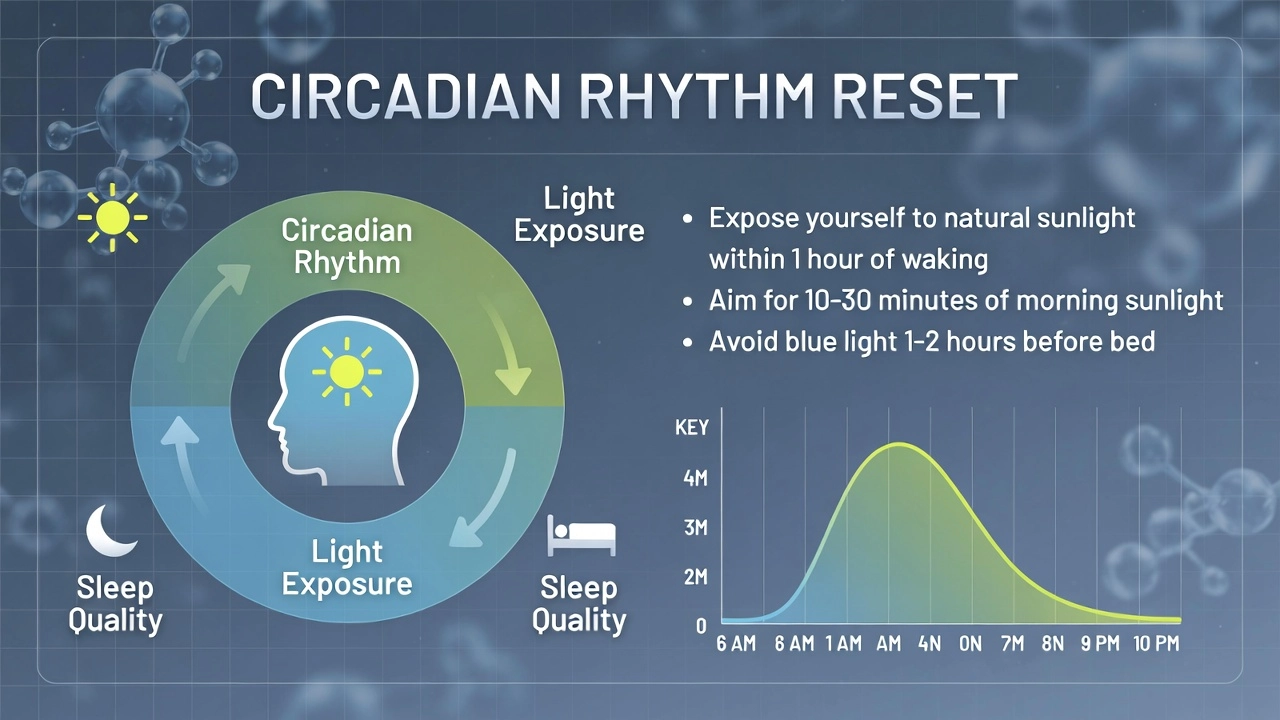
circadian rhythms

As a result, a feeling of chronic fatigue may develop.
Changes in hormonal regulation
Increasing daylight affects hormone balance.
| Hormone | What changes in spring | Possible effect |
|---|---|---|
| Melatonin | Secretion decreases | Sleep disturbances |
| Serotonin | Gradual increase | Mood fluctuations |
| Cortisol | Circadian rhythm adjustment | Changes in energy levels |
Hormonal adjustment may last for several weeks.

Main symptoms of spring exhaustion
Physical weakness
Most common manifestations:
-
reduced productivity
-
sleepiness
-
rapid fatigue
Concentration problems
The following may also occur:
-
difficulty concentrating
-
irritability
-
reduced motivation
| Symptom | Possible cause |
|---|---|
| Sleepiness | Circadian rhythm adjustment |
| Fatigue | Micronutrient deficiency |
| Reduced concentration | Neurotransmitter instability |
How to help the body restore energy
Sleep schedule
-
7–9 hours of regular sleep
-
consistent bedtime
-
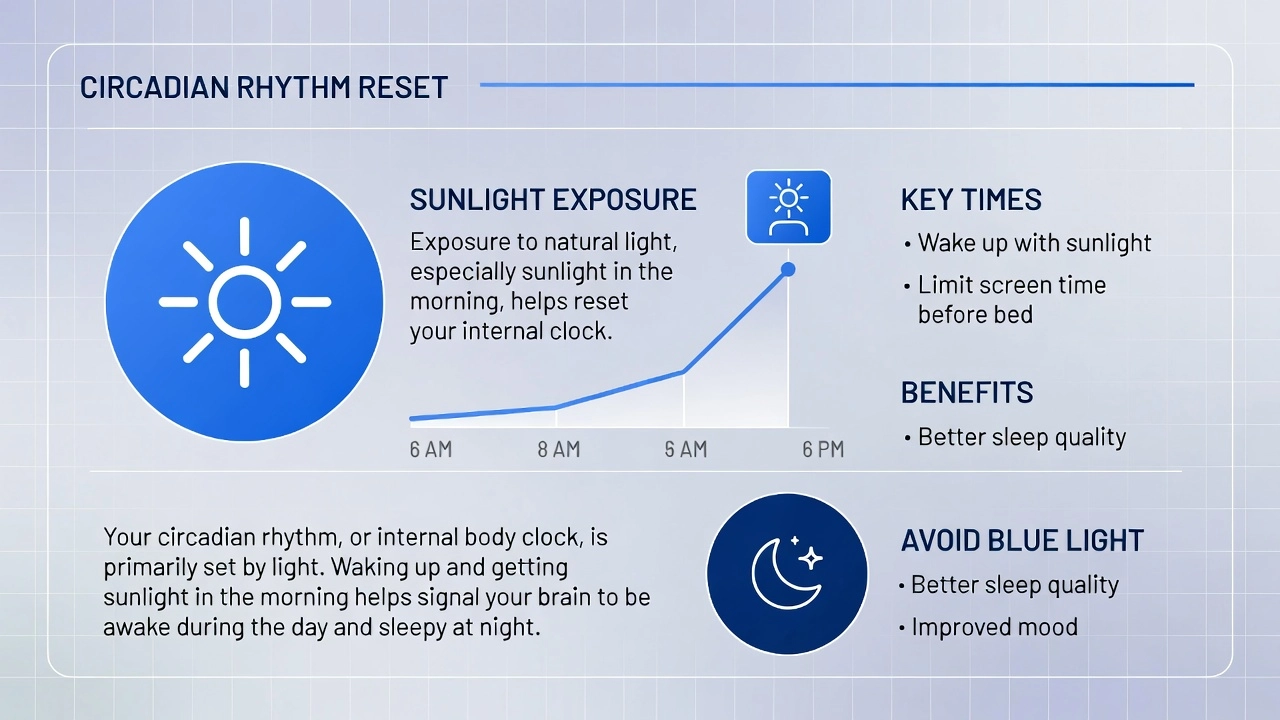
minimizing blue light exposure in the evening
Nutrition and physical activity
Important principles:
-
adequate protein intake
-
fiber
-
regular physical activity
| Recommendation | Why it works |
|---|---|
| Morning sunlight | Circadian rhythm regulation |
| Walking | Improved blood circulation |
| Protein-rich breakfast | Energy stabilization |

Questions and answers
Is spring fatigue normal?
Yes, it is a common adaptive phenomenon.
How long does spring asthenia last?
Usually from several days to several weeks.
When should you see a doctor?
If weakness is pronounced or lasts longer than a month.
Conclusions
Spring fatigue is a natural adaptive process. Gradual restoration of sleep patterns, nutrition, and physical activity helps normalize energy balance and support the body during the seasonal transition.
References
-
Harvard Medical School – Seasonal physiology
-
WHO Healthy Lifestyle Guidelines
-
National Sleep Foundation
About the Author