
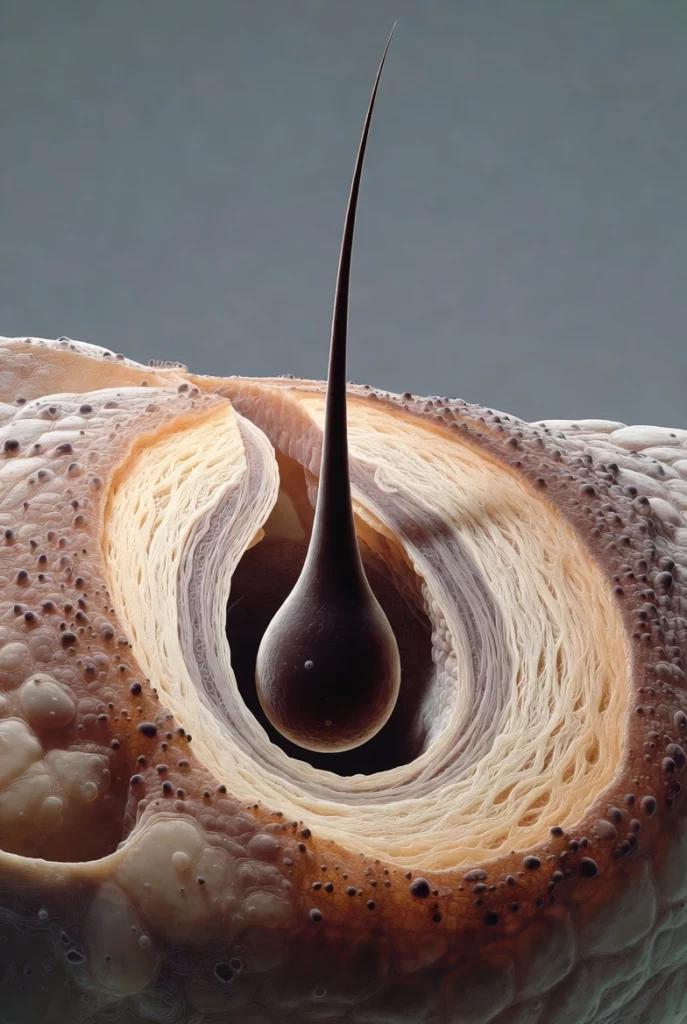
Spring Hair Loss is a common phenomenon often observed after the winter period.
In most cases, it is associated with so-called telogen effluvium — a condition where a significant portion of hair enters the shedding phase following a period of stress or physiological changes.
Seasonal factors, micronutrient deficiencies, hormonal fluctuations, and winter stress can affect the hair growth cycle. In most cases, this phenomenon is temporary, but sometimes it requires consultation with a specialist.
Why Hair Falls Out More Often After Winter
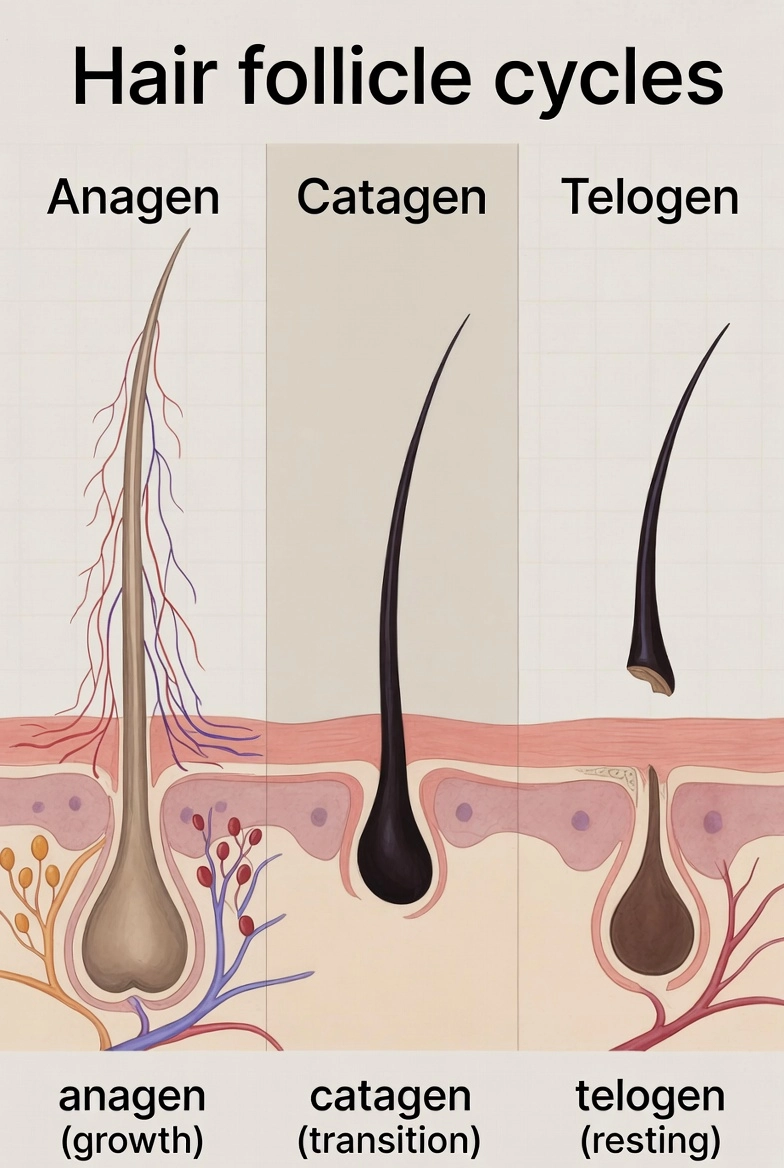
The hair growth cycle consists of three phases: anagen (growth phase), catagen (transitional phase), and telogen (shedding phase). Normally, about 5–10% of hair is in the telogen phase.
After the winter period, this percentage can temporarily increase.
The main causes of seasonal hair loss include:
-
accumulated physiological stress
-
seasonal changes in hormonal regulation
-
deficiency of certain micronutrients
-
reduced levels of ultraviolet light and vitamin D
Some studies also show seasonal fluctuations in the hair growth cycle, where the proportion of telogen hairs increases at the end of winter and the beginning of spring.
Stress
Physical or emotional stress can cause premature transition of hair into the telogen phase.
This can occur after:
-
infectious diseases
-
severe psychological stress
-
hormonal changes
-
sudden lifestyle changes
Telogen hair loss usually manifests 2–3 months after exposure to the stress factor.
Micronutrient Deficiency
Nutritional status plays an important role in maintaining hair growth.
The winter diet often contains fewer fresh products, which can affect the balance of micronutrients.

Factors That Can Worsen Hair Loss
Spring hair loss can be exacerbated by additional factors.
| Factor | Mechanism of Impact |
|---|---|
| Chronic stress | Disruption of hair growth cycle |
| Hormonal changes | Effect on follicular activity |
| Protein deficiency | Disruption of keratin synthesis |
| Sleep disturbances | Hormonal regulation imbalance |
In most cases, seasonal hair loss is not pathological but may signal overall exhaustion of the body after the winter period.
When to Consult a Doctor
Consultation with a dermatologist or trichologist is advisable if:
-
hair loss lasts more than 3–4 months
-
patches of localized baldness appear
-
hair becomes significantly thinner
-
itching or inflammation of the scalp is observed
In such cases, laboratory tests may be recommended, including assessment of ferritin levels, vitamin D, and thyroid hormones.
Questions and Answers About Spring Hair Loss
Is hair loss in spring normal?
Yes, many people experience seasonal hair shedding.
How much hair can fall out daily?
Normally, a person can lose about 50–100 hairs per day.
Do vitamins help with hair loss?
Vitamin supplements may be useful only in cases of confirmed deficiency.
Conclusions
Spring hair loss is often a temporary phenomenon associated with seasonal changes and physiological readjustment of the body after winter.
Balanced nutrition, normalization of sleep patterns, and stress reduction can help restore the normal hair growth cycle.
References
-
Harrison S., Sinclair R. Telogen effluvium. Clinical and Experimental Dermatology.
-
Almohanna H.M. et al. The role of vitamins and minerals in hair loss. Dermatology and Therapy.
-
Randall V.A. Hormonal regulation of hair follicles. Journal of Investigative Dermatology.
-
Rushton D.H. Nutritional factors and hair loss. Clinical and Experimental Dermatology.
-
National Institutes of Health. Office of Dietary Supplements.
-
Trueb R.M. The hair cycle and its disorders. Dermatology.
About the Author