
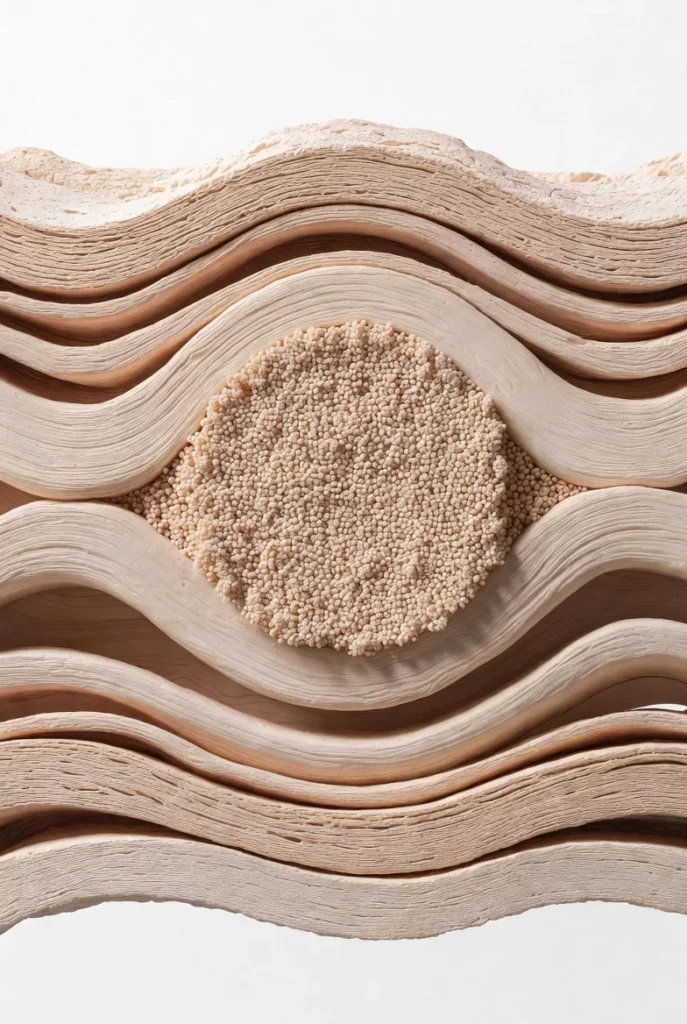
Dry skin after winter can appear even in those who usually have healthy skin. Flaking, tightness and increased sensitivity are signs that your skin barrier is damaged. Cold, wind and dry air disrupt the skin’s natural protection, increasing water and lipid loss.
Learn how to effectively restore your skin after the winter season through proper care, hydration and barrier support.
How Cold and Dry Air Affect the Skin
During winter, the skin is exposed to several aggressive factors:
-
low temperatures
-
cold wind
-
dry indoor air
-
frequent temperature contrasts
These factors disrupt the function of the stratum corneum — the main barrier that retains moisture.
Disruption of the Lipid Barrier
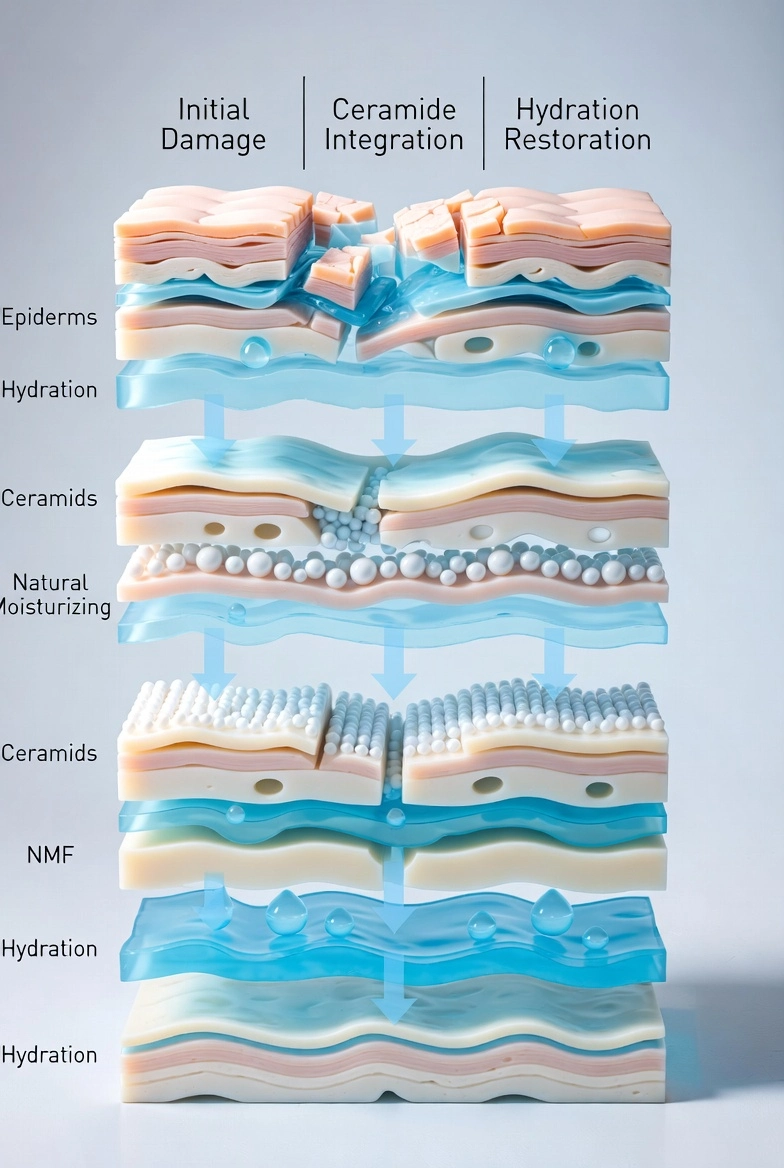
The epidermal barrier consists of corneocytes and intercellular lipids that form a protective structure preventing water loss.
| Barrier Component | Function | Winter Effect |
|---|---|---|
| Ceramides | Support the stratum corneum structure | Synthesis decreases |
| Cholesterol | Stabilizes the lipid layer | Balance is disrupted |
| Fatty acids | Retain moisture | Evaporation increases |
A reduction of these components leads to increased transepidermal water loss (TEWL), clinically manifesting as dryness and flaking.
Main Symptoms of Skin Damage
After the winter season, the skin may appear dull, sensitive, and dehydrated.
| Symptom | Mechanism |
|---|---|
| Dryness | Increased transepidermal water loss |
| Flaking | Disrupted corneocyte shedding process |
| Redness | Inflammatory response |
| Increased sensitivity | Barrier function weakening |
Dry skin may be accompanied by a feeling of tightness, especially after washing.
Additional risk factors include:
-
hot showers
-
aggressive cleansers
-
insufficient hydration
-
frequent use of alcohol-based cosmetics
How to Restore Skin After Winter
Restoring the skin barrier function is based on three main principles: hydration, lipid replenishment, and minimizing irritants.
Key Care Components
| Component | Function |
|---|---|
| Hyaluronic acid | Intensive hydration |
| Ceramides | Barrier restoration |
| Panthenol | Soothing effect |
| Niacinamide | Supports barrier function |
It is also recommended to:
-
use gentle cleansing products
-
apply moisturizers immediately after washing
-
avoid aggressive peels during skin recovery
Balanced care helps restore the skin’s barrier function within a few weeks. For intensive hydration and lipid layer support, creams or lotions can be chosen, for example from Lacera, suitable for daily care.
Questions & Answers
Why does skin become dry after winter?
Due to cold air and low humidity, which disrupt the skin’s lipid barrier.
Can peels be used in spring?
Light peels are possible, but with significant dryness, it is better to restore the barrier function first.
Is SPF needed after winter?
Yes, UV rays are active even in spring, so sun protection remains an important part of skincare.
Conclusions
Dry skin after winter is a common issue related to epidermal barrier disruption. Replenishing the lipid layer and proper care help reduce dryness, improve skin elasticity, and restore its protective properties.
References
-
Proksch E., Brandner J., Jensen J. The skin barrier and its function. Experimental Dermatology.
-
Elias P.M. Skin barrier function. Journal of Investigative Dermatology.
-
Rawlings A.V., Harding C.R. Moisturization and skin barrier function. Dermatologic Therapy.
-
Lodén M. Role of moisturizers in skin barrier repair. International Journal of Cosmetic Science.
-
Baumann L. Cosmetic Dermatology: Principles and Practice.
-
American Academy of Dermatology. Dry skin guidelines.
About the Author