

In spring, many people notice mood swings: increased irritability or, conversely, reduced motivation and energy. Such mood swings in spring are often associated with the body’s adaptation to changes in the light cycle.
In most cases, these changes are temporary, but in some people they may represent manifestations of seasonal affective fluctuations.
Maintaining a stable sleep schedule, physical activity, and regular exposure to daylight helps reduce the severity of these symptoms.
How changes in daylight affect mood
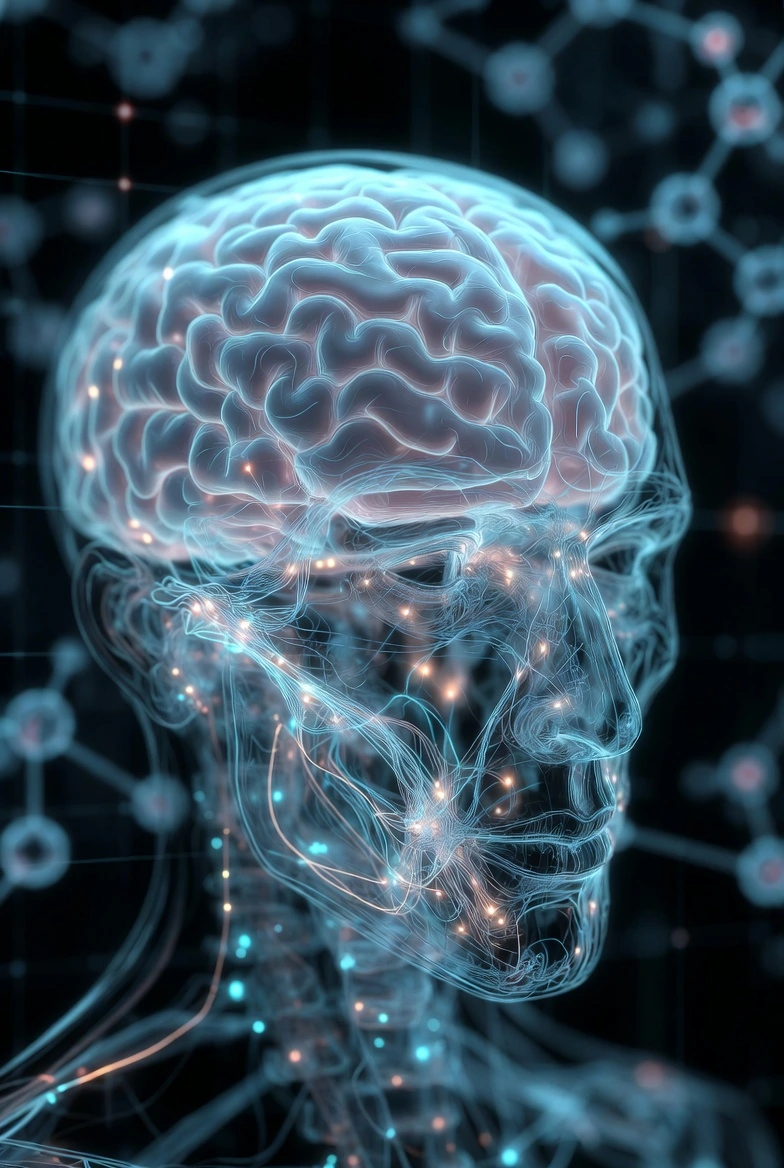
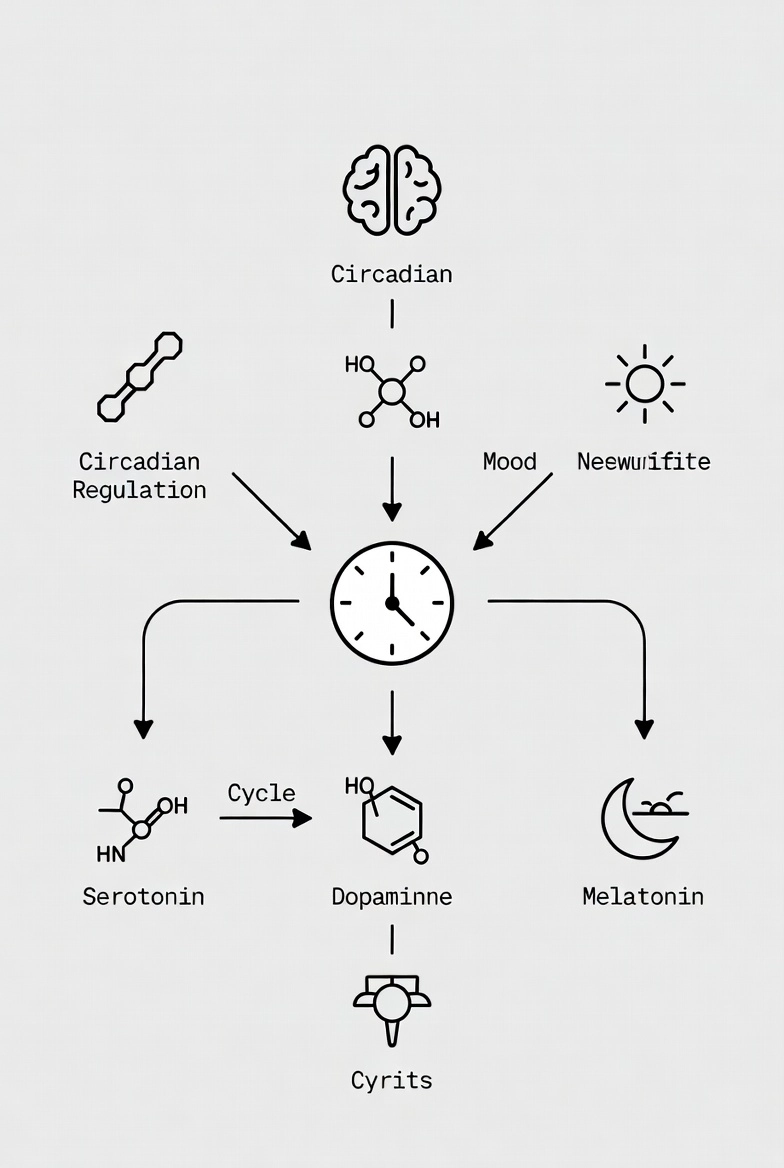
Light is one of the key factors influencing the regulation of mood and emotional state. It affects the activity of the suprachiasmatic nucleus of the hypothalamus — the central regulator of circadian rhythms.
An increase in daylight duration in spring:
-
changes melatonin secretion
-
affects serotonin synthesis
-
alters the balance of neurotransmitters
Neurotransmitter mechanisms
| Neurotransmitter | Function | Possible effect of changes |
|---|---|---|
| Serotonin | Mood regulation | Improvement or instability of mood |
| Dopamine | Motivation and energy | Fluctuations in activity |
| Melatonin | Sleep–wake cycle | Sleep schedule disruption |
The gradual increase in sunlight stimulates serotonergic systems in the brain, which is usually associated with improved mood.
However, during the adaptation period these processes may be accompanied by temporary emotional instability.
Main symptoms of mood swings in spring
Mood changes in spring may manifest through various symptoms.
| Symptom | Possible mechanism |
|---|---|
| Irritability | Neurotransmitter instability |
| Reduced motivation | Dopamine fluctuations |
| Fatigue | Circadian rhythm adaptation |
| Difficulty concentrating | Sleep disruption |
It is important to understand that short-term mood changes during seasonal transitions are a normal adaptive process.
At the same time, prolonged or pronounced symptoms may be associated with seasonal affective disorders that require consultation with a specialist.
How to support psycho-emotional balance
Maintaining stable nervous system function in spring is based on several physiological principles.
Key recommendations
| Practice | Biological effect |
|---|---|
| Morning sunlight exposure | Serotonin stimulation |
| Regular sleep | Circadian rhythm stabilization |
| Physical activity | Increase in dopamine |
| Social activity | Support of psycho-emotional state |
Regular outdoor walks and physical activity contribute to the natural increase of neurotransmitters responsible for emotional balance.
In addition, an important role is played by:
-
a stable sleep schedule
-
reduction of chronic stress
-
a balanced diet
Questions and answers
Why do mood swings appear in spring?
Mood swings in spring are associated with changes in daylight duration, restructuring of circadian rhythms, and adaptation of neurotransmitter systems. Changes in the production of serotonin, dopamine, and melatonin may temporarily affect emotional state, energy levels, and motivation.
Why does mood change in spring?
Due to the restructuring of neurotransmitter systems and changes in the light cycle.
Can seasonal changes cause depression?
Some people may experience seasonal affective disorders that require medical consultation.
Does physical activity help improve mood?
Yes, regular physical activity stimulates the production of serotonin and dopamine.
Conclusions
Mood swings in spring are often associated with the nervous system’s adaptation to changes in the light cycle and hormonal regulation.
In most cases these changes are temporary. Regular sleep, physical activity, and exposure to daylight help maintain a stable psycho-emotional state.
References
-
Lam R.W., Levitan R.D. Pathophysiology of seasonal affective disorder. Journal of Psychiatry & Neuroscience.
-
Rosenthal N.E. Seasonal affective disorder. New England Journal of Medicine.
-
Wirz-Justice A. Biological rhythm disturbances in mood disorders. International Clinical Psychopharmacology.
-
Walker M. Why We Sleep. Scribner.
-
National Institute of Mental Health. Seasonal affective disorder overview.
-
Harvard Medical School. Light exposure and mood regulation.
About the Author