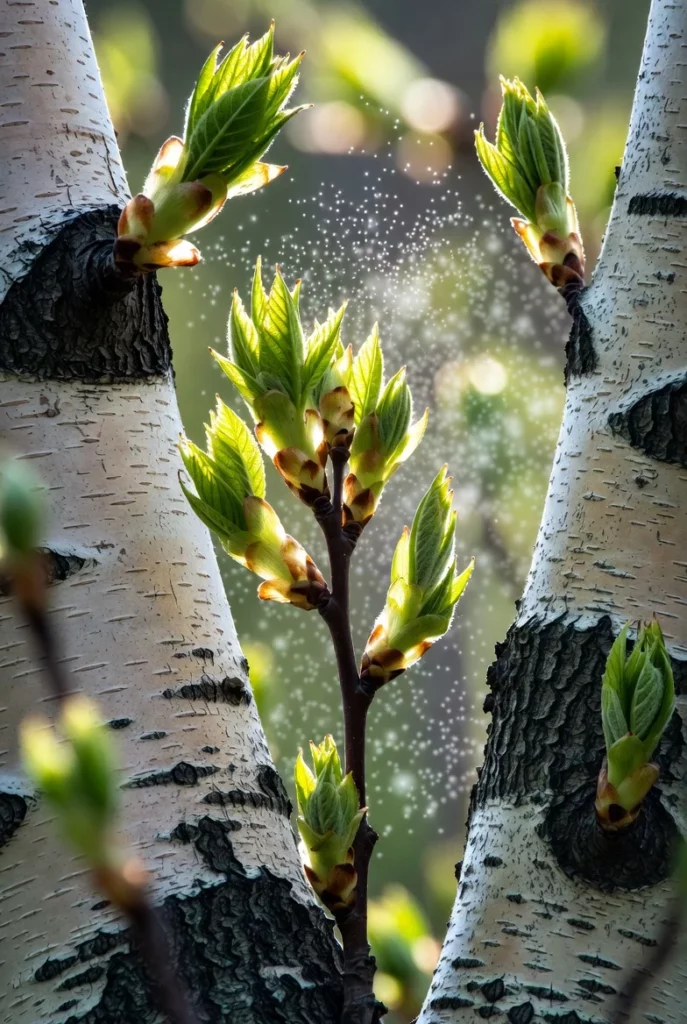
Seasonal pollen allergy in Ukraine usually starts as early as March, with a peak often occurring in April due to the pollination of alder, birch, and other trees. The most common symptoms are sneezing, watery runny nose, itchy eyes, nasal congestion, fatigue, and a feeling that your mind is working more slowly.
The most effective approach is not a single “magic pill,” but a combination: reduce contact with pollen, maintain proper hygiene after being outdoors, ventilate at the right times, and follow treatment prescribed by a doctor.
Current guidelines consider intranasal corticosteroids and second-generation antihistamines as basic medications, and allergen-specific immunotherapy can be considered for confirmed allergies. These methods are chosen by a doctor after diagnosis and confirmation of sensitization.
Seasonal Pollen Allergy: What to Expect in Spring
Spring for allergy sufferers is not “finally warm,” but a very specific survival season. Especially in Ukraine, where the wave of tree pollination from March to May is very noticeable each year. In 2026, Ukrainian sources also describe the classic spring wave: alder, hazel, birch, followed by other trees, and by late spring, grasses join the mix.
Spring pollen allergy, or pollinosis, most often manifests as allergic rhinitis or rhinoconjunctivitis. It’s not just “a runny nose.” Allergic rhinitis can really disrupt sleep, impair concentration, reduce productivity, and may exacerbate asthma. That’s why it is long considered a chronic condition that needs proper management.
Main Trees Blooming in April
Birch, Alder, Poplar
In April, the main tree suspects in Ukraine are birch and residual or still active alder pollen, depending on weather and region. Birch is one of the strongest spring allergens for many people, and its season often falls in April-May. Alder starts earlier, but in a cool spring its impact can extend into April.
Poplar is a bit trickier. People often blame it, but poplar fluff itself is usually not an allergen. It mainly mechanically irritates mucous membranes and can carry other particles, including grass pollen and dust. So “allergy to fluff” often turns out not to be an allergy to the poplar itself.
Blooming Times Across Ukraine
Exact pollination start dates vary each year. They depend on temperature, wind, rain, and how early warmth arrives. But the general pattern is simple: in the south, the season often starts earlier; in the center, slightly later; and in the west and north, the birch peak is often felt in mid-to-late April. Ukrainian publications for the 2026 season also note that the highest birch pollen risk in mid-April was expected primarily in northern, western, and central regions.
Table 1. What Can Be a Concern in April
| Plant | Approx. Activity Period | Regions Often at Higher Risk | Comment |
|---|---|---|---|
| Alder | March – early/mid April | North, west, center | In a cool spring, symptoms can last longer |
| Birch | April – May | North, west, center, partially east | One of the most noticeable spring allergens |
| Ash, Maple, Oak | April – May | Many regions of Ukraine | Can increase overall pollen load |
| Poplar | Late spring – early summer | Cities and populated areas with many trees | Fluff mainly irritates rather than being a true allergen |
| Grasses | Late spring – summer | Almost all of Ukraine | Often “take over” after trees |
The data in the table is generalized, as the actual season varies depending on the year and region.

Allergy Symptoms
Sneezing, Itchy Eyes, and Runny Nose
Classic signs: repeated sneezing, itchy nose, watery or heavy runny nose, nasal congestion, red and watery eyes. Often accompanied by itching of the palate or throat. Symptoms can appear quickly after contact with an allergen and become stronger outdoors on windy, dry days.
There’s another tricky point: allergies can be easily confused with spring colds. But allergic rhinitis typically presents with itching and tearing, while high fever is not characteristic. If a “cold-like” episode repeats every spring in the same pattern, it is very likely pollen allergy (pollinosis).
Fatigue and Reduced Concentration
Yes, allergies can really be exhausting. Nasal congestion and nighttime symptoms worsen sleep, leading to fatigue, irritability, brain fog, and decreased concentration. In adults, this impacts work; in children and teens, it affects school performance. This is not an exaggeration but a very typical story for uncontrolled allergic rhinitis.
How to Safely Relieve Symptoms
The best strategy is not to endure it heroically but to reduce contact with pollen and start symptom control on time. Current clinical guidelines for allergic rhinitis consider intranasal corticosteroids, intranasal or oral second-generation antihistamines, and combined nasal treatments in specific cases as the foundation of therapy. Allergen-specific immunotherapy also has evidence-based support but is not suitable for everyone and should be considered with an allergist after confirming sensitization.
Buying everything on your own and taking “because it works for my friend” is not the best idea. Especially if you have asthma, chronic sinusitis, pregnancy, are a child, or if symptoms are so severe that they interfere with sleep or breathing. In these cases, you need a doctor, not forum magic.
Minimizing Contact with Pollen
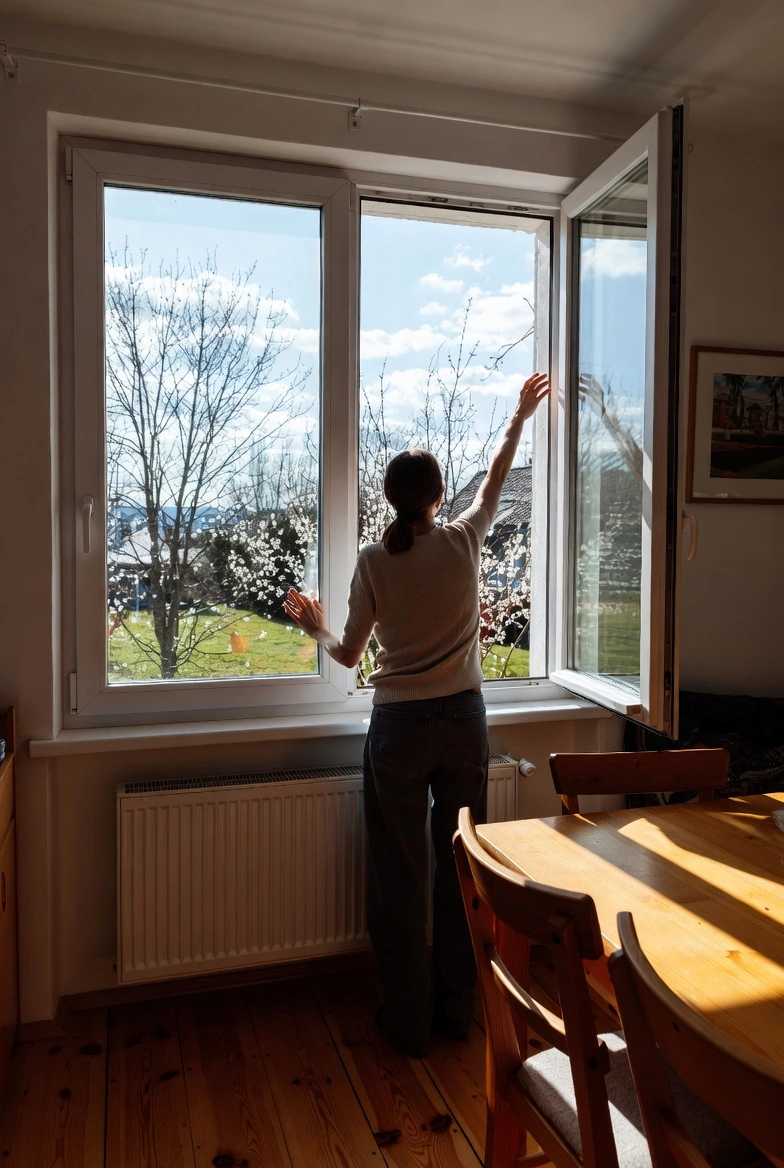
Practical measures often work better than expected. After being outside, change clothes, wash your hair or at least your face, rinse your nose with saline, avoid drying laundry outdoors during pollen season, and keep windows closed when it’s windy or pollen levels are high. Ukrainian and international sources also recommend wearing a mask outdoors on days with high pollen.
Lifestyle Tips and Hygiene
Small details can have a noticeable effect. Walks are better after rain, when there is less pollen in the air. In the car, keep windows closed. At home, regular wet cleaning helps. If you have pets, after walks they can also bring pollen on their fur. So the dog is not to blame, but sometimes a bath after being outside is needed as much for them as for you.
Table 2. Daily steps to get through pollen season more comfortably
| Situation | What to Do | Why It Helps |
|---|---|---|
| Returned from outside | Change clothes, wash up, wash hair if possible | Reduces pollen on skin and hair |
| Dry and windy day | Limit long walks, wear a mask if needed | Usually more pollen in the air |
| Ventilation | Be cautious, considering weather and symptoms | Prevents extra pollen from entering the room |
| Nose is congested and itchy | Saline rinses, then treatment as advised by doctor | Helps remove allergens from the mucosa |
| Eyes are itchy and watery | Avoid rubbing eyes, use prescribed drops | Reduces irritation and inflammation |
| Symptoms repeat every spring | See an allergist before or at the start of the season | To confirm triggers and plan treatment |
Questions & Answers
Can seasonal allergies start suddenly if I never had them before?
Yes. Sensitization can develop over time, so a person may “normally get through spring” for several years and then suddenly start reacting to pollen.
How to distinguish allergy from a cold?
Allergy typically involves itchy nose and eyes, tearing, frequent sneezing, seasonality, and no fever. Colds usually resolve in 1-2 weeks, while allergies persist as long as there is contact with the allergen.
Is it true that poplar fluff causes allergies?
Not exactly. The fluff itself is usually not a true allergen but can irritate mucous membranes or carry other particles, including grass pollen.
Should medication be started before the peak season?
For some patients, this makes sense. Some patient resources and clinical approaches recommend not waiting until symptoms peak but starting symptom control in advance, especially if the diagnosis is known and the season repeats every year. Still, the regimen should be agreed with a doctor.
When should I see a doctor instead of reading articles?
When symptoms are severe, disturb sleep, interfere with breathing, persist, are not controlled by usual measures, or if there is wheezing, shortness of breath, coughing attacks, or suspected asthma. Immediate help is required if breathing is difficult, or there is swelling of the face or throat.
Conclusions
Spring pollen allergy in Ukraine is mostly about trees, primarily alder and birch, not just “something flying in the air.” In April, symptoms can be very intrusive: sneezing, itchy eyes, runny nose, nasal congestion, fatigue, and poor concentration. The good news is that this can be managed without daily suffering. A combination of three things works: know your season, reduce contact with pollen, and don’t postpone proper treatment. And yes, if every spring you suddenly feel “like having a cold,” it’s probably not a coincidence.
References
- Sousa-Pinto B, et al. Allergic Rhinitis and Its Impact on Asthma (ARIA)-EAACI Guidelines 2024-2025 Revision Part I: Guidelines on Intranasal Treatments. Allergy. 2025/2026 update.
- Bousquet J, et al. EAACI 2024-2025 Guidelines: From Evidence-to-Decision Framework to Recommendation Development. Allergy. 2025.
- Rosenfield L, et al. Allergic rhinitis. Allergy, Asthma & Clinical Immunology. 2024;20:72.
- Bousquet J, Akdis CA, et al. Allergic rhinitis. Nature Reviews Disease Primers. 2020.
- Tomé M, et al. Avoidance Measures for Patients with Allergic Rhinitis: A Scoping Review. 2023.
- Roberts G, et al. EAACI Guidelines on Allergen Immunotherapy: Allergic Rhinoconjunctivitis. 2018.
- Ministry of Health of Ukraine. What You Need to Know About Seasonal Allergies and How to Cope.
- Ministry of Health of Ukraine. Guideline 00302. Allergen-Specific Immunotherapy.
- NHS. Allergic rhinitis.
- Mayo Clinic. Hay fever: Symptoms and causes.
About the Author