
Author name: Kateryna Braitenko

Kateryna Braitenko

was born and raised in Ukraine, where she received a solid education in various fields.


She studied at the Donetsk National University, majoring in philology, where she gained deep knowledge in linguistics and literature.


Kateryna Braitenko

Her natural talent for writing and communication led her to collaborate with pharmaceutical publications, where she began writing articles about the latest trends in medicine and pharmaceuticals.


Later, driven by an interest in pharmaceutical sciences, Kateryna decided to continue her education in this field and obtained a second degree from the National Pharmaceutical University in Kharkiv.


Thanks to the combination of philological and pharmaceutical education, she became a specialist capable of deeply analyzing and communicating complex medical topics in a clear and accessible manner.


Currently, Kateryna Braitenko lives and works in Kyiv, where she continues to write for leading pharmaceutical journals and platforms.


Her articles are known for their depth, accuracy, and ability to convey important information about innovations in medicine and the pharmaceutical industry.

Абстрактна ілюстрація ДНК і людських силуетів, що символізує біологічні зміни в організмі навесні

Seasonal changes in the body in spring: what happens after the winter period

Seasonal changes in the body in spring are associated with a complex restructuring of physiological processes. The increase in daylight duration, changes in temperature and levels of physical activity affect hormonal regulation, metabolism and neurotransmitter systems. During this period, fluctuations in energy levels, mood changes, and adaptation of circadian rhythms may occur. Understanding these processes […]

Read More »

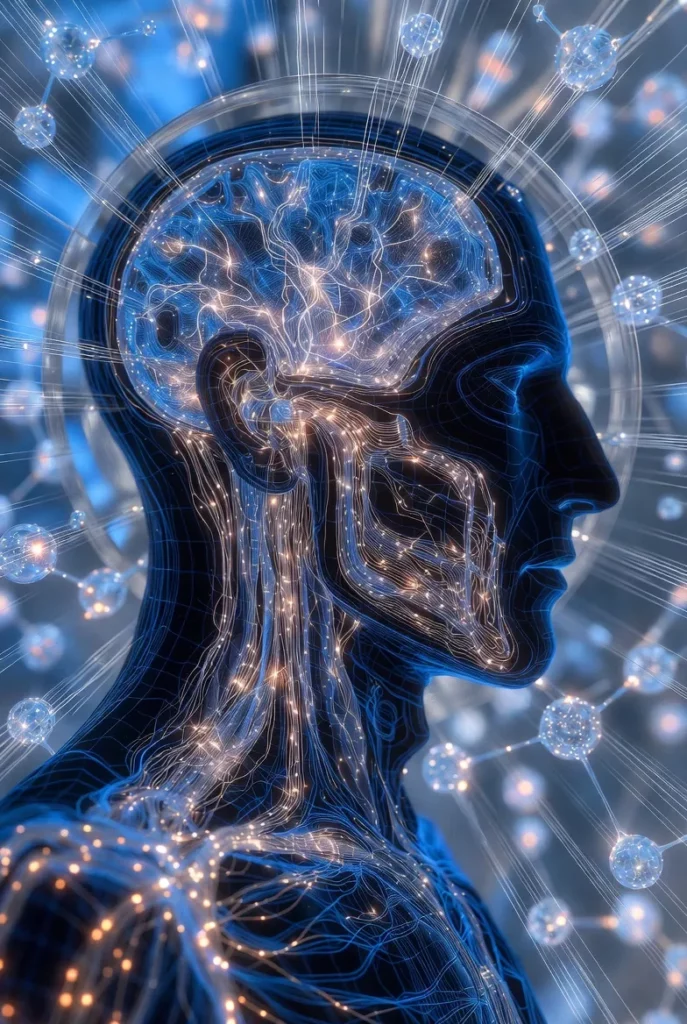
Перепади температури навесні: вплив на мозок та нервові процеси, футуристична ілюстрація адаптації людини.

Spring temperature fluctuations: how they affect well-being

Temperature fluctuations in spring, as well as changes in humidity and atmospheric pressure, can be accompanied by headaches, fatigue, impaired concentration, blood pressure changes, and general discomfort in weather-sensitive individuals. This phenomenon is often described as weather sensitivity or meteoropathy — a condition in which the body adapts less effectively to weather changes. Most often, […]

Read More »

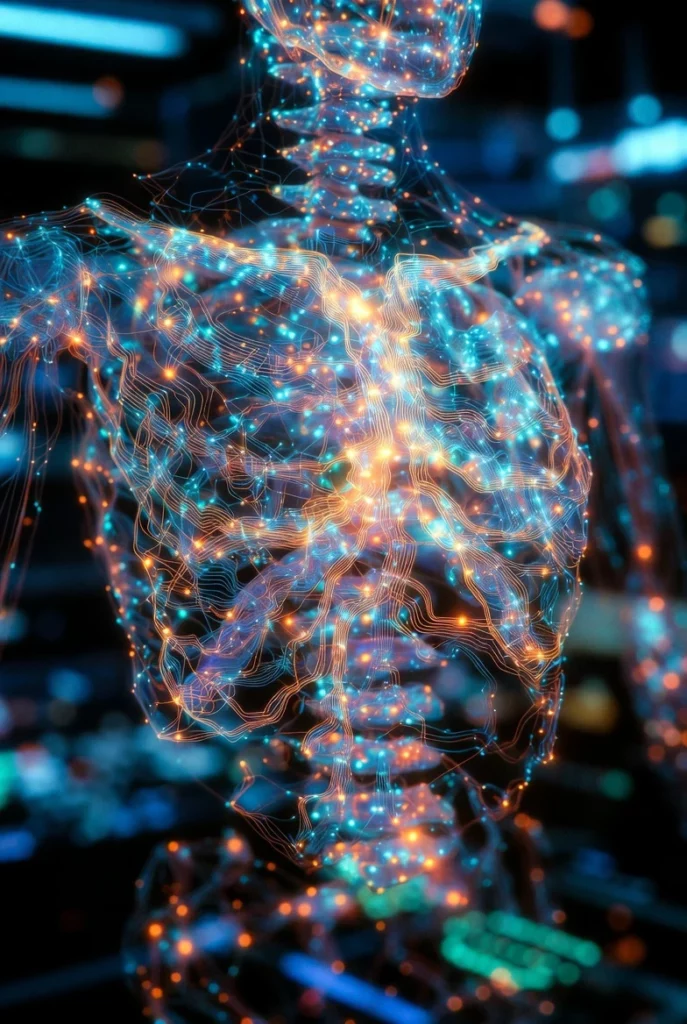
Схематичне зображення нервової системи як символ виснаження при весняній втомі

Spring fatigue: why it occurs and how to restore energy levels

Spring fatigue is a state of reduced energy that occurs after winter as the body adapts to increasing daylight hours. In spring, many people experience tiredness, decreased productivity, and difficulty concentrating. This phenomenon is often referred to as spring asthenia. It is associated with the body’s spring adaptation to longer daylight hours, changes in hormonal […]

Read More »

Весняна адаптація організму — шпинат, фрукти та ягоди в раціоні

Spring adaptation of the body and hormonal and metabolic changes

Brief Summary Spring adaptation of the body is a physiological restructuring process that occurs at the beginning of the season. Increasing daylight hours affect circadian rhythms, the synthesis of melatonin and cortisol, and alter energy metabolism and behavioral habits. Gradual support helps reduce manifestations of spring asthenia, fatigue, and metabolic fluctuations. Physiological Changes at the […]

Read More »

Набір капсул і таблеток та термометр при дефіциті вітамінів наприкінці зими

Vitamin deficiency at the end of winter: how to recognize and safely adjust intake

Vitamin Deficiency at the End of Winter — a common issue caused by the depletion of micronutrient stores, reduced sun exposure, and seasonal dietary changes. During this period, the deficit accumulated over winter can become noticeable: fatigue appears, concentration drops, and infections become more frequent. At the same time, taking supplements independently without supervision is […]

Read More »

Мама з дитиною у поліклініці через часті застуди дітей наприкінці зими

Frequent colds in children at the end of winter: risk factors and prevention

At the end of winter, frequent colds in children at the end of winter become a common occurrence due to immune exhaustion, lack of light, nutrients, and prolonged time spent in enclosed groups. This is a physiological seasonal phenomenon associated with seasonal colds in children and weakened immunity. Proper prevention — sleep, nutrition, hygiene, and […]

Read More »

Жінка сидить біля вікна вранці, використовуючи природне світло для підтримки циркадних ритмів

Short Daylight in Winter: How to Cope with Drowsiness and Fatigue

During winter, the short daylight period significantly affects mood, energy levels, and overall well-being. Many people experience drowsiness, reduced concentration, and disrupted sleep patterns even when healthy. In most cases, this is not a medical condition but an adaptation of the body to changes in circadian rhythms. How Short Daylight Affects Circadian Rhythms Disruption of […]

Read More »

М’яка розтяжка в затишній домашній обстановці як спосіб відновлення сил узимку

Chronic fatigue at the end of winter: why you have no energy and how to restore it safely

At the end of winter, many people experience persistent fatigue that does not go away after sleep or weekends. This is how chronic fatigue at the end of winter often manifests, gradually accumulating throughout the cold season. Reduced energy, distractibility, and emotional exhaustion are often perceived as a “normal condition,” although in reality they are […]

Read More »

Людина йде по мокрому тротуару взимку під поривчастим вітром при різких перепадах температури

Sharp Temperature Fluctuations in February: Headaches & Fatigue Explained

Sharp temperature fluctuations in February are often accompanied by changes in atmospheric pressure and can affect well-being even in healthy people. Headaches, increased fatigue, and emotional tension during this period often have a functional nature and are associated with adaptive responses of the vascular and nervous systems. Understanding the mechanisms of this influence helps reduce […]

Read More »

Жінка тримає перед собою смартфон, на екрані якого відображені результати пошуку про симптоми хвороб, методи лікування та побічні ефекти ліків

Misdiagnoses in everyday life: when symptoms are misleading

Headache — “pressure”, weakness — “vitamin deficiency”, stomach pain — “stomach”. We are used to quickly explaining symptoms based on personal experience or online searches. However, this kind of self-diagnosis often leads to misdiagnosis and incorrect conclusions about our health. Why Self-Diagnosis Frequently Fails In daily life, symptoms are often interpreted too literally. People quickly […]

Read More »

Scroll to Top