
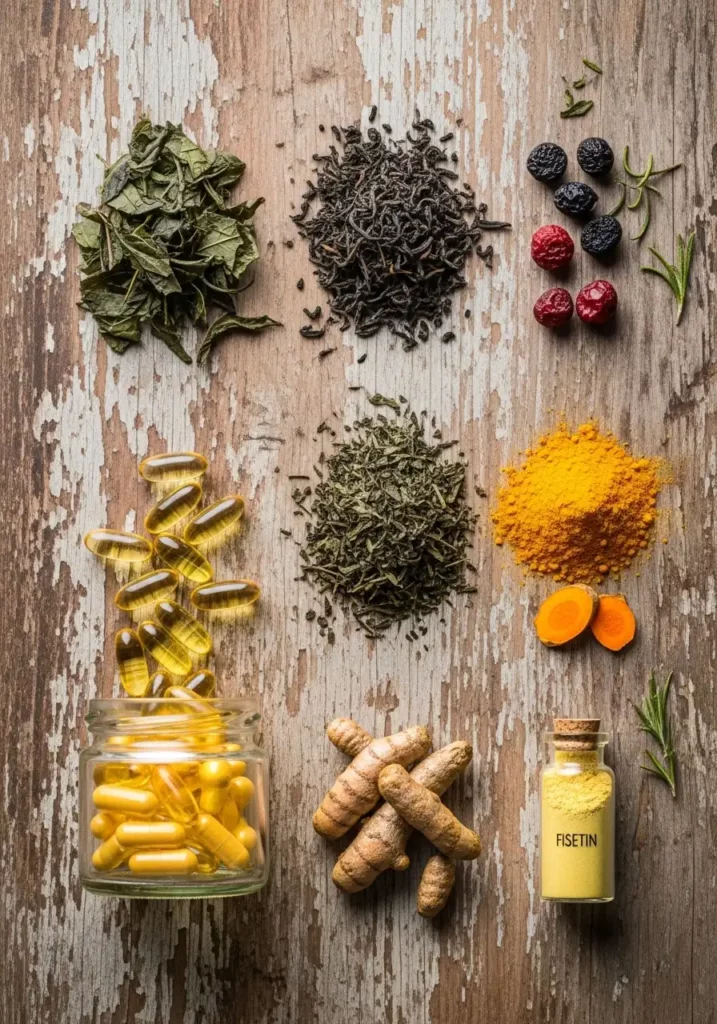
Aging of the body begins much earlier than the appearance of wrinkles or a decrease in physical activity. One of the key processes attracting the attention of scientists worldwide is cellular senescence. It refers to a state where a cell loses its ability to divide but does not die. It continues to exist in tissues and secretes biologically active substances that support chronic inflammation and accelerate age-related changes.
Over the last decade, senescent cells have become a central focus of longevity research. Scientists are exploring ways to selectively eliminate them, suppress their inflammatory activity, and influence them through nutrition, physical activity, and nutraceuticals.

In this article, we will examine what cellular senescence is, why it occurs, how it affects health, and which biologically active substances can play a role in controlling this process.
What is Cellular Senescence?
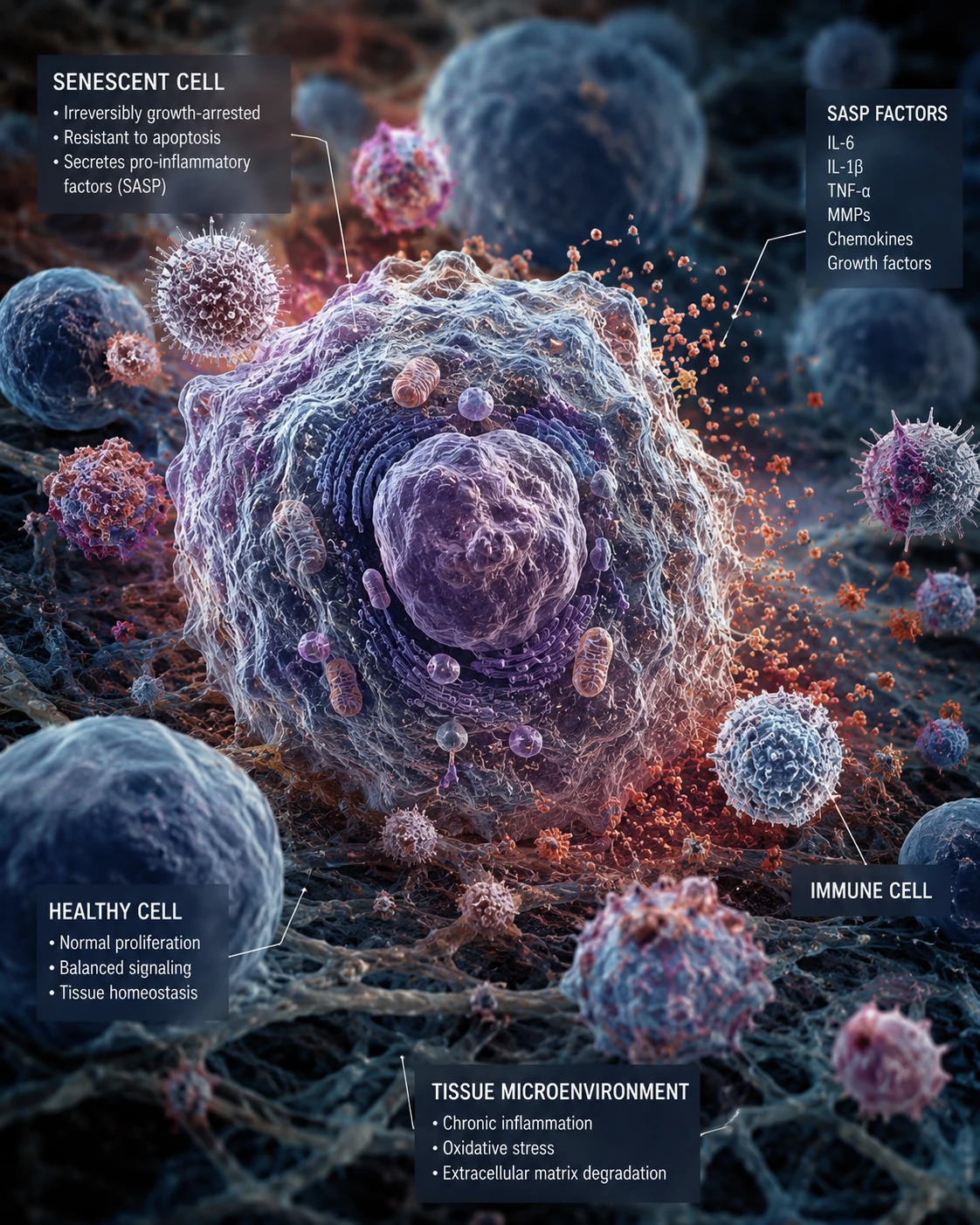
Cellular senescence is a specific biological state in which a cell stops dividing in response to damage or the accumulation of intracellular defects.
This phenomenon was first described in 1961 by American researchers Leonard Hayflick and Paul Moorhead. They established that human cells cannot divide indefinitely. After a certain number of division cycles, they enter a state of functional arrest.
This discovery became known as the Hayflick limit.
Today, it is known that senescence is one of the natural mechanisms of tumor protection. A cell that has accumulated serious DNA damage stops reproducing to avoid passing defective genetic material to subsequent generations of cells.
Problems arise when there are too many of these cells.
Why Cellular Senescence Occurs
There are several causes, and they usually act simultaneously.
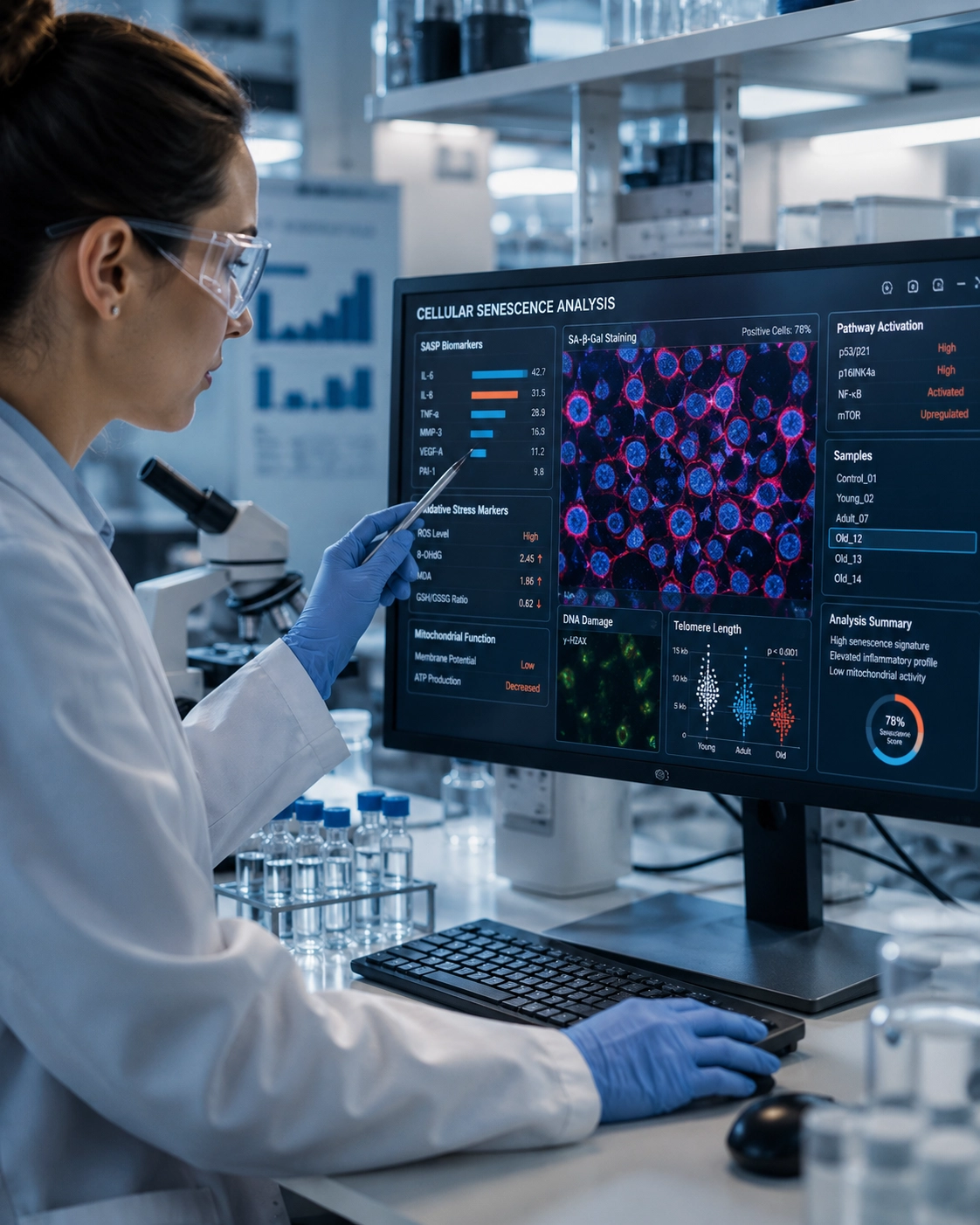
DNA Damage
Every day, thousands of genetic material damages occur in human cells.
The body successfully restores some of them. If the repair system fails, the cell may enter a state of senescence.
Telomere Shortening
Telomeres are protective sections at the ends of chromosomes.
With each division, they gradually shorten.
When telomere length reaches a critical level, the cell stops reproducing.
Oxidative Stress
Reactive oxygen species damage proteins, membranes, and DNA.
Elevated levels of free radicals are associated with accelerated tissue aging.
Chronic Inflammation
Prolonged low-level inflammation stimulates the accumulation of cells with impaired function.
This process underlies the so-called inflammaging — age-related inflammation.
Mitochondrial Dysfunction
Mitochondria produce energy for the cell.
With age, the efficiency of their work decreases, and the number of damaged organelles increases.
This creates additional oxidative stress and accelerates cellular aging.
Table 1. Main Mechanisms of Cellular Senescence
| Mechanism | What Happens | Consequences |
|---|---|---|
| Telomere shortening | Loss of chromosome protection | Arrest of cell division |
| Oxidative stress | Damage to DNA and proteins | Activation of senescence |
| Chronic inflammation | Constant NF-κB activation | Growth of SASP |
| Mitochondrial dysfunction | Decreased energy production | Tissue aging |
| Metabolic disorders | Insulin resistance, obesity | Accelerated accumulation of senescent cells |
What is SASP and Why It Is Dangerous
One of the main problems with senescent cells is not the fact that they stop dividing.
The problem lies in their secretory activity.
Scientists call this phenomenon SASP (Senescence-Associated Secretory Phenotype).
These cells begin to actively secrete:
- interleukin-6;
- interleukin-1β;
- tumor necrosis factor α;
- chemokines;
- proteases;
- growth factors.
As a result, chronic inflammation forms, affecting neighboring cells and tissues.
The accumulation of SASP is linked to the development of:
- atherosclerosis;
- osteoarthritis;
- sarcopenia;
- neurodegenerative diseases;
- metabolic syndrome;
- type 2 diabetes mellitus.
Senolytics and Senomorphics: What Is the Difference
Two main approaches are used in the field of longevity medicine.
Senolytics
Senolytics promote the selective elimination of senescent cells.
They influence cell survival mechanisms and trigger apoptosis.
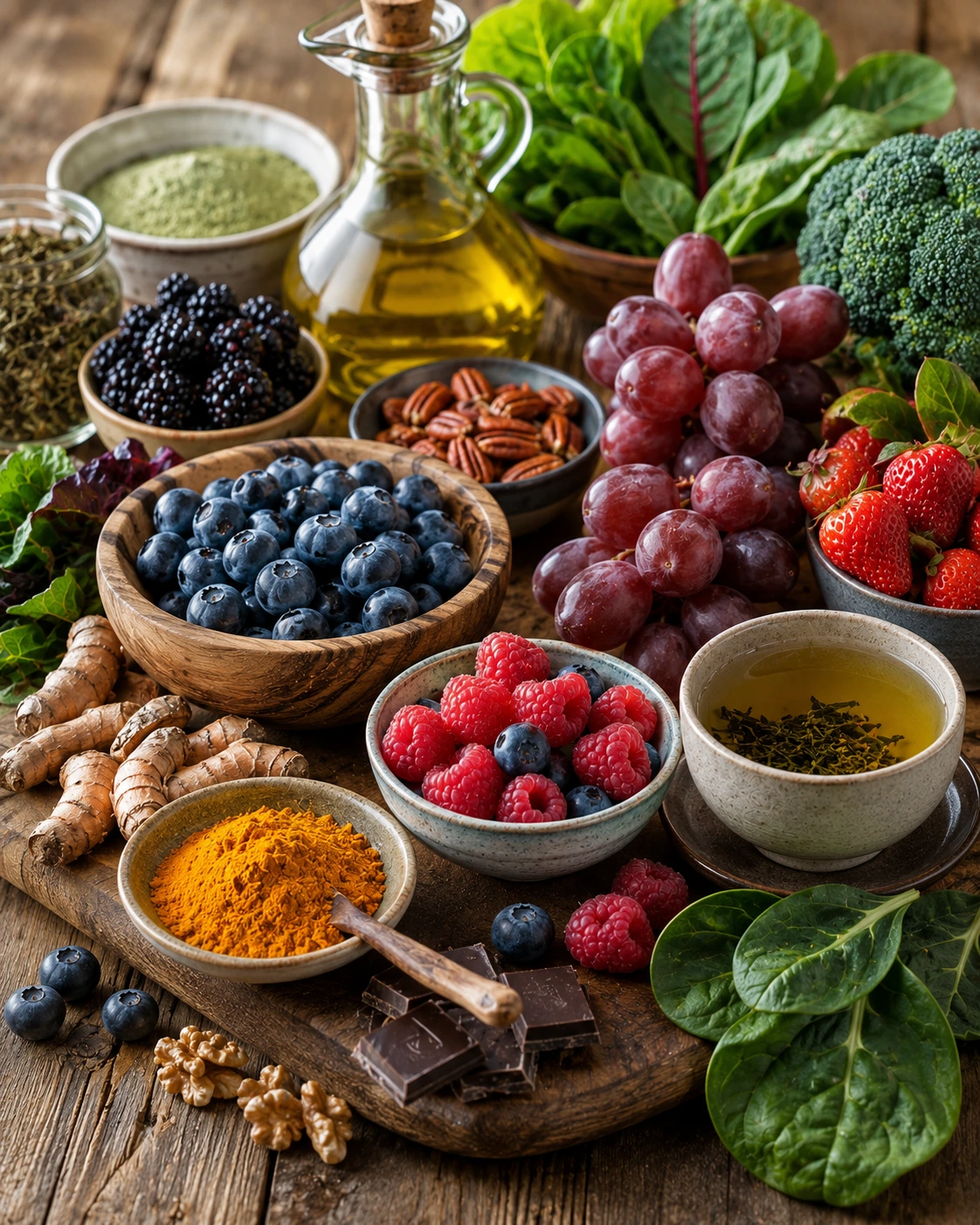
The most well-known natural senolytics include:
- fisetin;
- quercetin;
- piperlongumine;
- certain polyphenols of plant origin.
Senomorphics
Senomorphics do not destroy the cell.
They reduce the inflammatory activity of SASP and improve the cellular environment.
These include:
- curcumin;
- resveratrol;
- EGCG;
- spermidine;
- metformin (medication);
- rapamycin (in research models).
Quercetin
Quercetin is one of the most researched plant flavonoids.
It is found in:
- onions;
- apples;
- berries;
- capers;
- broccoli.
Quercetin affects the PI3K/AKT signaling pathways and can increase the sensitivity of senescent cells to apoptosis.
In addition, it has:
- antioxidant properties;
- anti-inflammatory effects;
- a positive effect on the vascular endothelium.
Fisetin
In recent years, fisetin has become one of the most promising natural senolytics.
It is found in the highest amounts in:
- strawberries;
- apples;
- persimmons;
- grapes.
In animal models, fisetin reduced the number of senescent cells, improved physical activity, and increased lifespan.
Therefore, clinical trials of its impact on human aging are currently ongoing.
Curcumin
Curcumin is the main biologically active substance in turmeric.
Its action is related to:
- inhibition of NF-κB;
- activation of Nrf2;
- reduction of pro-inflammatory cytokine production.
Its impact on SASP is of particular interest.
In laboratory studies, curcumin reduced the production of inflammatory factors by senescent cells.
EGCG from Green Tea
Epigallocatechin-3-gallate (EGCG) belongs to the catechins found in green tea.
It is researched for its ability to:
- reduce oxidative stress;
- affect mitochondrial function;
- modulate the activity of inflammatory pathways.
Regular consumption of green tea is associated with a reduced risk of cardiovascular disease and certain age-related pathologies.
Resveratrol
Resveratrol became popular following research into longevity mechanisms.
It is found in:
- grapes;
- blueberries;
- peanuts;
- red wine.
Resveratrol affects proteins of the sirtuin family and activates cell survival mechanisms under stress conditions.
It is also linked to the enhancement of autophagy.
Glucosamine and Cellular Aging
Most people know glucosamine as a component of joint supplements.
However, recent studies have shown its potential impact on inflammatory mechanisms of aging.
Glucosamine can:
- inhibit the activation of NLRP3 inflammasomes;
- reduce the production of pro-inflammatory cytokines;
- support metabolic health.
Spermidine: A New Candidate for Geroprotectors
Spermidine is naturally found in:
- wheat;
- mushrooms;
- legumes;
- soy products.
The main mechanism of its action is related to the stimulation of autophagy.
This is the process of recycling damaged proteins and organelles.
In studies, higher levels of spermidine in the diet were associated with lower mortality from cardiovascular disease.
Table 2. Nutraceuticals and Their Impact on Senescence
| Nutraceutical | Main Mechanism | Potential Impact |
|---|---|---|
| Fisetin | Senolytic activity | Reduction in the number of senescent cells |
| Quercetin | Activation of apoptosis | Control of cellular aging |
| Curcumin | NF-κB inhibition | SASP reduction |
| EGCG | Antioxidant effect | Mitochondrial protection |
| Resveratrol | Sirtuin activation | Support of cellular metabolism |
| Spermidine | Autophagy stimulation | Renewal of cellular structures |
| Glucosamine | Inflammation control | Support of healthy aging |
Physical Activity as a Natural Regulator of Senescence
No nutraceutical demonstrates such a stable impact on aging processes as regular movement.
Physical activity:
- improves insulin sensitivity;
- stimulates mitochondrial biogenesis;
- lowers systemic inflammation levels;
- supports autophagy.
Particularly well-studied are:
- brisk walking;
- strength training;
- swimming;
- cycling;
- interval training (HIIT).
Nutrition and Cellular Longevity
Dietary habits also influence the rate at which senescent cells accumulate.
Studies show a positive link between healthy aging and:
- the Mediterranean diet;
- sufficient vegetable consumption;
- regular polyphenol intake;
- glucose level control;
- maintaining a healthy body weight.
Conversely, an excess of ultra-processed foods is linked to increased systemic inflammation.
Intermittent Fasting and Autophagy
Periodic calorie restriction is one of the most researched methods of influencing the aging process.
During fasting, the following mechanisms are activated:
- autophagy;
- cellular cleaning;
- metabolic adaptation.
Therefore, intermittent fasting is actively studied in gerontology.
What is Actually Confirmed by Science
As of today, there is sufficient evidence that senescent cells play a role in age-related changes in the body.
Data regarding the potential benefits of certain nutraceuticals is also accumulating.
At the same time, most work so far has been conducted on:
- cell cultures;
- laboratory animals;
- small groups of people.
Thus, many promises from the anti-aging industry currently remain hypotheses.
Questions and Answers
Can cellular aging be completely stopped?
No. Aging is a natural biological process. Modern science aims to influence its speed and consequences.
Which nutraceutical has the strongest evidence base?
Currently, fisetin, quercetin, curcumin, and resveratrol attract the most attention.
Can these substances be obtained solely from food?
Yes, but their amounts will be significantly lower than those used in studies involving concentrated forms.
Is physical activity a senolytic?
Physical activities are not classified as senolytics, but they can influence mechanisms related to the accumulation of senescent cells.
When does the accumulation of senescent cells begin?
The first signs can be detected as early as after age 30, though the rate of the process depends significantly on lifestyle and genetic factors.
Conclusion
Cellular senescence is one of the central mechanisms of biological aging. The accumulation of senescent cells is linked to chronic inflammation, age-related diseases, and a decline in functional capabilities.
Fisetin, quercetin, curcumin, resveratrol, EGCG, spermidine, and other nutraceuticals are being actively researched as potential tools for controlling these processes. The most convincing results so far have been obtained in laboratory models, while large-scale clinical trials in humans are ongoing.
To date, the foundation of healthy longevity remains physical activity, quality sleep, body weight control, balanced nutrition, and reduction of chronic inflammation.
References
- Campisi J. Cellular Senescence and Inflammaging. Cell, 2024.
- Xu M. et al. Fisetin as a Senotherapeutic Compound. EBioMedicine, 2025.
- Kirkland J.L., Tchkonia T. Senolytic Drugs. Nature Reviews Drug Discovery, 2023.
- Zhang H. et al. Curcumin and SASP Regulation. Nutrients, 2023.
- Kim H.N. Glucosamine and Cellular Senescence. Aging Cell, 2024.
- Li Y. Resveratrol and Autophagy in Anti-Aging Therapy. Antioxidants, 2025.
- López-Otín C. et al. Hallmarks of Aging. Cell, 2023.
- Partridge L. The Biology of Ageing. Nature Reviews Molecular Cell Biology, 2024.
- Madeo F. Spermidine in Health and Disease. Science, 2023.
- World Health Organization. Ageing and Health.
About the Author