
Brief Summary
Dehydration is not always accompanied by a feeling of thirst.
The body can adapt to fluid deficiency for a long time, sending indirect signals: fatigue, headache, decreased concentration, dry skin, and mucous membranes.
For this reason, mild or moderate dehydration often goes unnoticed and is perceived as “overfatigue” or a consequence of stress.
Understanding early signs helps prevent chronic functional discomfort.
Hidden Dehydration in Daily Life
In popular perception, dehydration is associated with intense thirst, heat, or physical exhaustion.
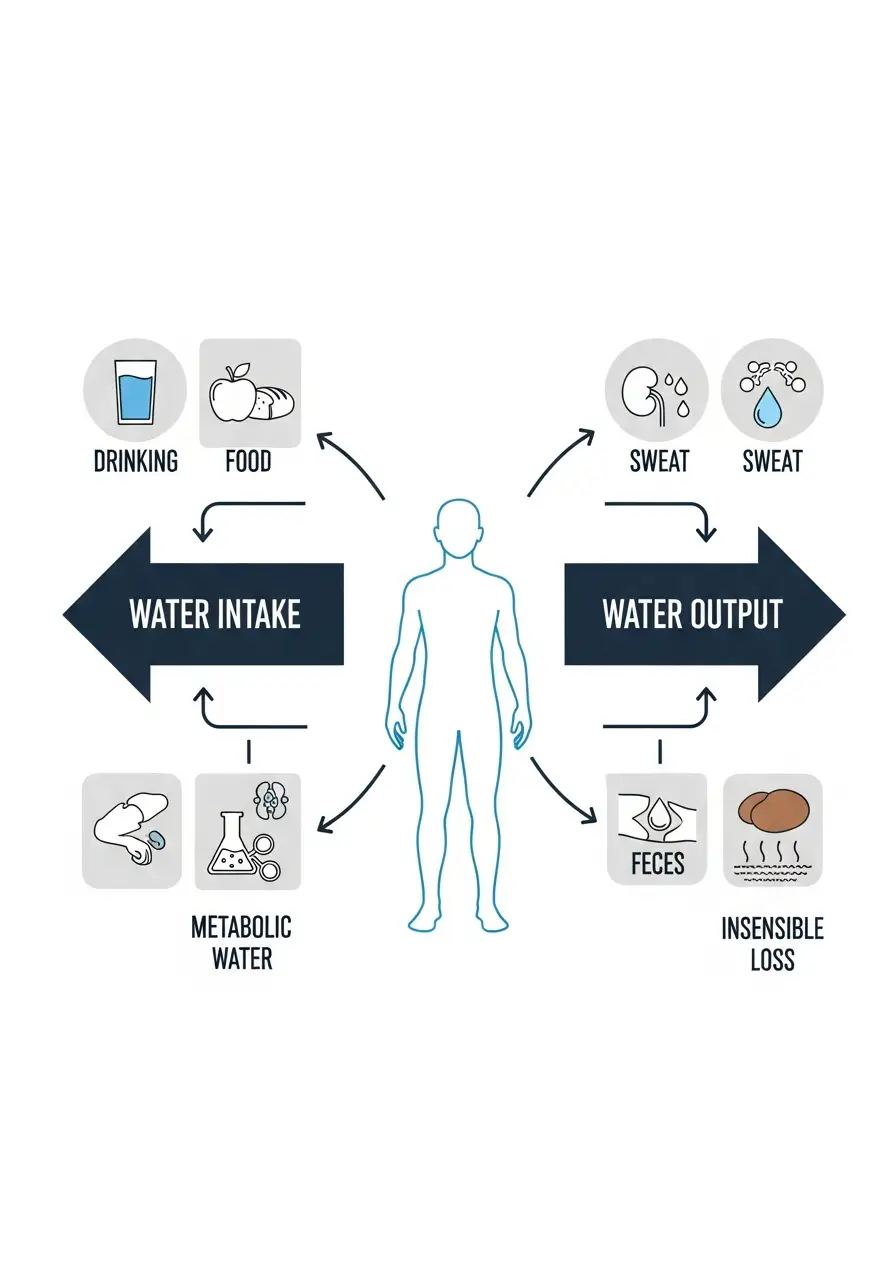
In reality, in everyday life it often has a hidden character. A person may regularly receive insufficient fluid without feeling a clear need to drink water.
This is especially typical for people with a busy schedule, high mental activity, or the habit of replacing water with coffee or tea.
Why Thirst Is Not the First Symptom of Dehydration
How the Body Adapts to Fluid Deficiency
The thirst mechanism is activated when the fluid balance is already significantly disrupted. Until that point, the body:
-
reduces urine output;
-
redistributes fluid between tissues;
-
slows down certain metabolic processes.
This adaptation allows the body to function, but not without consequences.
Everyday Risk Factors for Dehydration
Even without extreme conditions, dehydration is promoted by:
-
working in air-conditioned environments;
-
prolonged sitting without breaks;
-
consumption of coffee and alcohol;
-
ignoring fatigue signals.

Subtle Signs of Water Deficiency in the Body
Fatigue and Headache
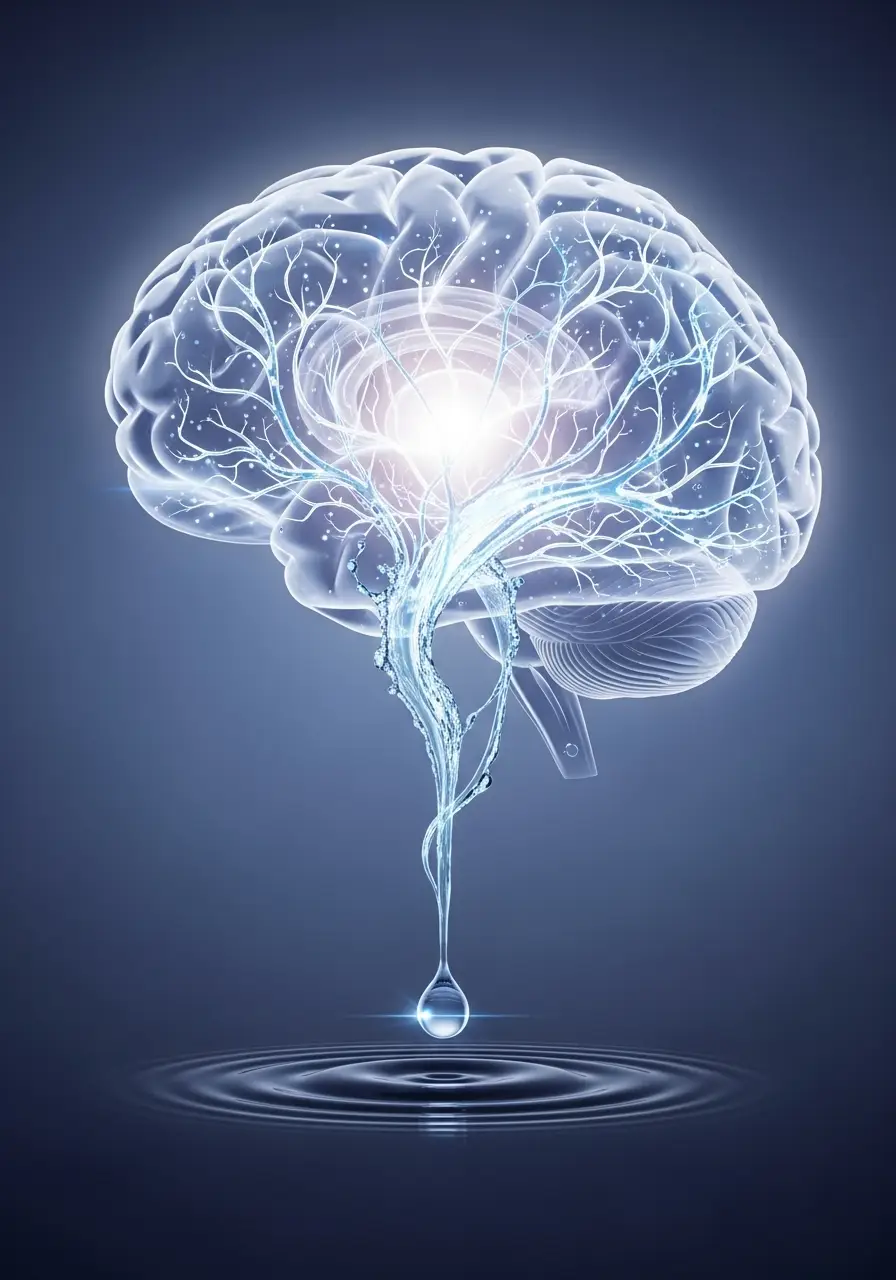
Insufficient hydration reduces circulating blood volume and impairs oxygen supply to the brain, which can manifest as a dull headache and a feeling of a “heavy head”.
Reduced Concentration and Productivity
Even a minor fluid deficit can decrease attention, reaction speed, and cognitive flexibility, especially in the second half of the day.
Signs of Hidden Dehydration
Table 1. Indirect Signals of Fluid Deficiency
| Symptom | Possible Mechanism |
|---|---|
| Persistent Fatigue | Reduced plasma volume |
| Headache | Impaired cerebral circulation |
| Dry Mouth | Reduced saliva secretion |
| Decreased Concentration | Slower neural transmission |
| Muscle Tension | Electrolyte imbalance |
These symptoms are rarely perceived as a result of water deficiency, as they do not appear threatening.
Changes in Skin and Mucous Membranes
The skin is one of the first organs to respond to chronic fluid deficiency:
-
decreased elasticity;
-
tightness sensation;
-
mucous membranes become more sensitive.
Why Dehydration Is Often Underestimated
Table 2. Reasons for Ignoring Dehydration
| Reason | What Happens |
|---|---|
| No Thirst | The person does not consider the problem real |
| Slow Development | Symptoms are perceived as normal |
| Replacing Water with Beverages | Water “drops out” of the diet |
| Chronic Busyness | Drinking routine is not monitored |
The key point between the tables is that the body compensates for the deficit for a long time, but does so at the cost of reduced efficiency.
Questions and Answers About Dehydration Without Thirst
Can you be dehydrated without feeling thirsty?
Yes. Thirst appears later than functional impairments.
Does coffee affect fluid balance?
In moderate amounts, coffee does not cause significant dehydration, but it cannot fully replace water.
Why is dehydration often not taken seriously?
Due to the absence of acute symptoms and gradual development.
Does the body react the same way to water deficiency?
No. The response depends on age, physical activity, diet, and climate conditions.
Conclusions
Dehydration without thirst is common but subtle. It does not cause acute symptoms, but gradually reduces productivity, concentration, and overall well-being. Regular attention to hydration is a simple yet effective way to prevent functional discomfort.
References
-
Popkin BM et al. Water, hydration, and health. Nutrition Reviews, 2010.
-
EFSA Panel on Dietetic Products, Nutrition and Allergies. Water intake.
-
WHO. Nutrients in Drinking Water.
-
PubMed: Mild dehydration and cognitive performance — review articles.
-
European Journal of Clinical Nutrition: Hydration status studies.
About the Author