
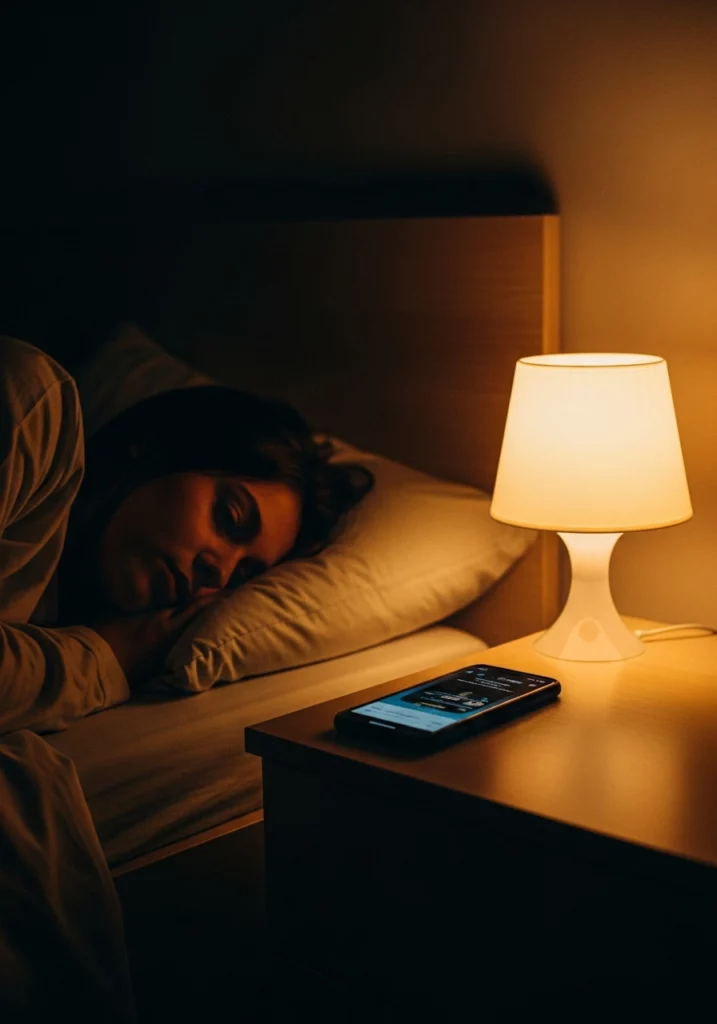
In the era of 24/7 lighting, we are increasingly falling asleep without complete darkness. Screens, streetlights, bedroom lighting — all of these alter circadian disruption, melatonin secretion, hunger signals, and even immune system function.
In this article, we examine how nighttime light affects sleep, metabolism, and immunity, as well as the role nutrients and nutraceuticals may play in compensating for these disruptions.
Circadian disruption, melatonin, and nighttime lighting
Circadian rhythms are the body’s internal “clock” synchronized with the day–night cycle. The key hormone signaling nighttime is melatonin. Its synthesis in the pineal gland is suppressed by light exposure, especially short-wavelength light (blue spectrum).
When a person falls asleep with the television on, a working laptop, or a bright smartphone screen, nighttime light:
-
shifts the phase of melatonin secretion;
-
reduces the duration of deep sleep;
-
impairs the quality of nervous and endocrine system recovery.
How nighttime light affects sleep, metabolism, and immunity
Chronic suppression of melatonin and disruption of sleep architecture are associated with:
-
insulin resistance and impaired glucose tolerance;
-
changes in appetite and increased cravings for calorie-dense foods in the evening;
-
reduced effectiveness of the immune response.
Melatonin has not only “sleep-inducing” but also antioxidant and immunomodulatory effects. Its deficiency due to nighttime lighting may contribute to chronic low-grade inflammation and reduced resistance to infections.
Table 1. Types of nighttime lighting and potential effects
| Source of nighttime light | Spectral characteristics | Potential impact on circadian disruption |
|---|---|---|
| Smartphone, tablet | pronounced blue light component | melatonin suppression, sleep phase shift |
| Laptop, monitor | bright, prolonged use | reduction of deep sleep stages |
| High-brightness LED night lights | cool “white” light | mild but chronic melatonin suppression |
| Street lighting through a window | constant background exposure | sleep fragmentation, frequent awakenings |
The scale of the problem is intensified by modern habits — streaming services, social media before sleep — which create chronic exposure to light during a period when the brain expects darkness.
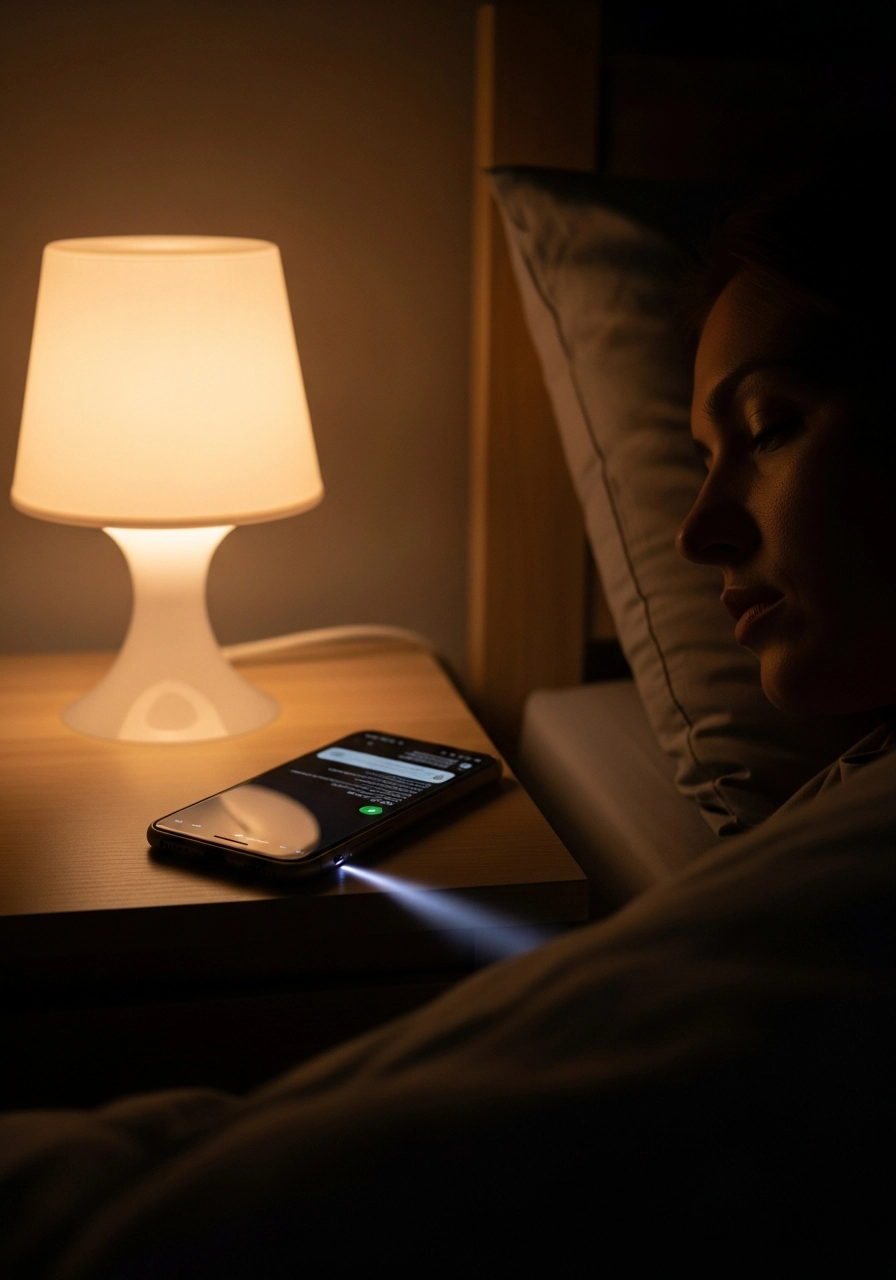
Nighttime light, appetite, and metabolism
Disruptions of circadian rhythms affect hormones associated with hunger and satiety:
-
leptin secretion decreases (satiety signal);
-
ghrelin levels increase (hunger signal);
-
insulin response and carbohydrate tolerance change.
As a result:
-
evening/nighttime appetite intensifies;
-
the risk of weight gain increases;
-
metabolic stress rises (especially when combined with a sedentary lifestyle).
The immune system and circadian disruption
Immune cells also exhibit a circadian pattern of activity. Sleep, especially its deep stages, is critically important for:
-
the formation of immunological memory;
-
the synthesis of cytokines that regulate the inflammatory response;
-
the effectiveness of vaccine responses.
Chronic sleep disruption in the context of nighttime lighting is associated with more frequent infections, prolonged recovery after illness, and an increased risk of chronic inflammation.
Table 2. Nutrients and nutraceuticals that may support circadian disruption
| Nutrient / nutraceutical | Potential role | Sources/forms |
|---|---|---|
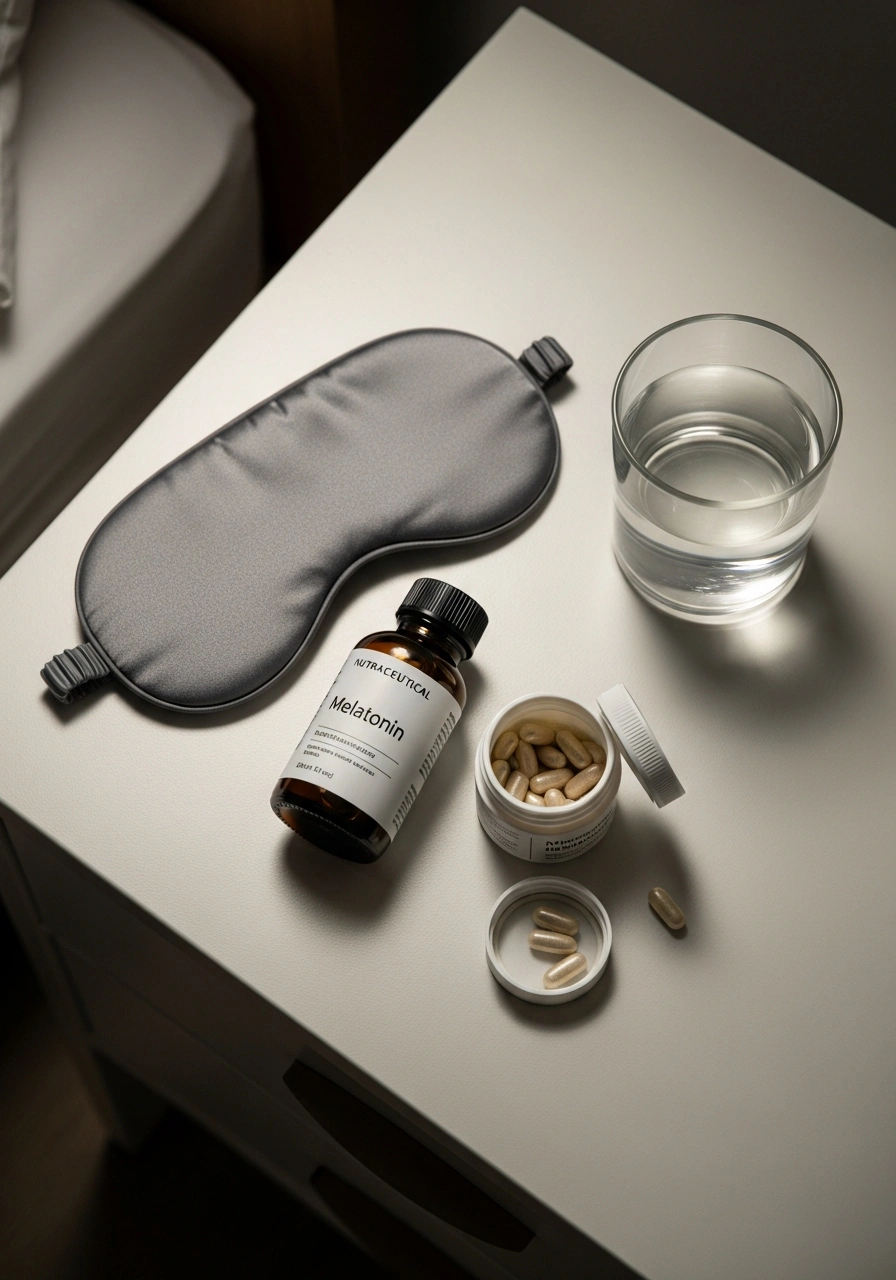
| Melatonin | normalization of sleep onset and sleep phases | low-dose nutraceutical forms |
| Magnesium | relaxation, support of the nervous system | Mg2+ complexes (citrate, glycinate, etc.) |
| B vitamins | co-factors in neurotransmitter metabolism | combined supplements, diet |
| L-theanine | reduction of tension without a sedative effect | nutraceutical forms, tea (in lower doses) |
| Omega-3 PUFAs | anti-inflammatory effect, brain support | fish oil, concentrated EPA/DHA forms |
It is important to emphasize: nutraceuticals do not “compensate for” chronic disruption of routines. They can support the body, but the foundation remains sleep hygiene and light control. You can choose nutraceuticals online at medizine.ua.
Practical tips for light hygiene
-
at least 1–2 hours before sleep — reduce screen brightness, use night modes and warm filters;
-
if possible, avoid keeping the TV on while falling asleep;
-
choose warm, low-brightness night lights when needed (e.g., caring for children);
-
in the morning, conversely, get natural daylight — this helps “reset” the circadian clock.
Questions and answers
Is it enough to just enable “night mode” on a smartphone?
It is better than nothing, but it does not completely solve the problem. It is important to limit overall screen time before sleep.
Can melatonin be taken “preventively”?
Self-medication is not recommended. Short courses at low doses are possible, but preferably under a doctor’s guidance, especially for chronic sleep disorders.
Does nighttime light affect children more than adults?
Children’s nervous and endocrine systems are more sensitive, so it is advisable to minimize screen exposure in the evening.
Can magnesium and “calming” teas alone help without changing routines?
No. They may ease falling asleep, but without normalizing sleep schedules and light exposure, the effect will be limited.
Conclusions
Nighttime light is one of the most important yet underestimated factors disrupting circadian rhythms, sleep quality, metabolic balance, and immune function. The foundation of correction is light and routine hygiene, while nutrients and nutraceuticals (melatonin, magnesium, B vitamins, omega-3, L-theanine) can serve as supportive tools within a comprehensive approach.
References
-
Cajochen C. et al. Evening exposure to LED-backlit screens and circadian physiology.
-
Morton A. et al. Melatonin, sleep and metabolism: clinical aspects.
-
Kalsbeek A. et al. Circadian control of metabolism and immunity.
-
Reiter R.J. et al. Melatonin as an antioxidant and immunomodulator.
About the Author