

New Year’s holidays are traditionally accompanied by changes in eating habits, sleep patterns, and physical activity. Excessive consumption of fatty and protein-rich foods, alcohol, along with reduced physical activity, creates temporary metabolic overload, which triggers metabolic imbalance and manifests as decreased energy levels, heaviness after meals, digestive symptoms, and impaired concentration.
In most cases, this is not a pathology but rather functional changes that require rational rather than aggressive correction.
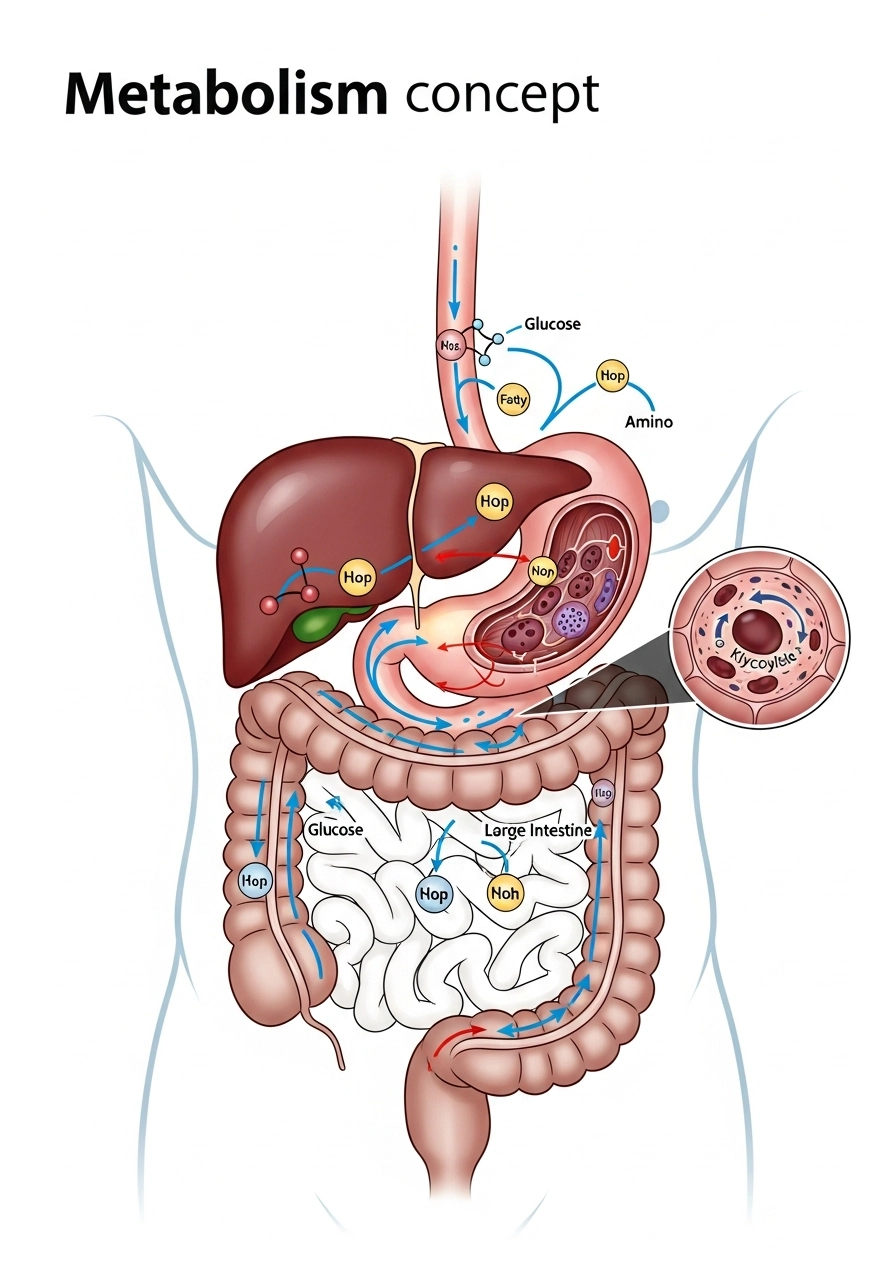
Key metabolic processes affected by increased load
After the holidays, the most sensitive systems are:
-
digestive system — increased load on enzymatic mechanisms;
-
liver — activation of biotransformation systems;
-
energy metabolism — increased demand for cofactors;
-
nervous system — depletion of B-group vitamins and magnesium reserves.
Table 1. Main functional changes after the holiday period
| System | Overload mechanism | Typical manifestations |
|---|---|---|
| Digestive | Excess fats and proteins | Heaviness, bloating |
| Liver | Enhanced detoxification | Lethargy, decreased appetite |
| Mitochondria | Cofactor deficiency | Fatigue, reduced endurance |
| Nervous | B-vitamin deficiency | Irritability, sleep disturbances |

Enzyme support: when it is appropriate
Enzymes may be useful in the short term when there is a clear link between symptoms and food intake. This is not about long-term use, but about temporary support for the body during periods of increased load. To select effective products and nutrients, you can explore the ассортимент at the Medizine online store, which offers solutions to support digestion, energy metabolism, and overall well-being.
For more tips on nutrients and recovery after the holiday period, read our blog.
Key enzymes:
The role of vitamins and minerals in metabolic recovery
B-group vitamins and magnesium are critically important for:
-
ATP synthesis;
-
proper nervous system function;
-
reducing the feeling of fatigue after a period of overload.
Table 2. Post-holiday nutrients: functional significance
| Nutrient | Primary role | Clinical significance |
|---|---|---|
| Vitamin B₁ | Carbohydrate metabolism | Energy support |
| Vitamin B₆ | Neurotransmitters | Reduction of nervous tension |
| Vitamin B₁₂ | Cellular regeneration | Reduction of fatigue |
| Magnesium | Neuromuscular regulation | Sleep, stress resilience |
| Vitamin C | Antioxidant | Protection against oxidative stress |
What to avoid in the post-holiday period
-
aggressive “detox programs”;
-
prolonged fasting;
-
uncontrolled combination of multiple supplements.
After the holidays, the body needs not cleansing, but stabilization and support of physiological processes.
Practical recommendations for pharmacists
-
assess symptoms rather than the “holiday fact”;
-
recommend enzymes only in the presence of dyspepsia;
-
pay attention to nutrients that support energy metabolism;
-
explain to patients the limited and temporary nature of such support.
QUESTIONS – ANSWERS
Are post-holiday symptoms a sign of disease?
No. In most cases, this is a functional response of the body to temporary overload from food intake, alcohol consumption, and disrupted sleep patterns.
When is it appropriate to recommend enzymes after the holidays?
Enzymes are appropriate for a short course if there is post-meal heaviness, bloating, or nausea, especially after fatty or protein-rich meals.
Can enzymes be taken on a long-term basis?
No. Long-term uncontrolled use of enzymes without indications is not recommended and does not replace dietary normalization.
Which vitamins are most relevant in the post-holiday period?
B-group vitamins B (B₁, B₆, B₁₂), as well as magnesium and vitamin C, which support energy metabolism and the nervous system.
Are “detox programs” needed after the holidays?
No. The body has its own detoxification mechanisms. After the holidays, it needs restoration of balance, not aggressive “cleansing.”
What role does the pharmacist play in the post-holiday period?
The pharmacist helps select appropriate support rationally, explain the temporary nature of symptoms, and prevent excessive or incorrect use of products.
Conclusions
Post-holiday metabolic imbalance is an expected response of the body to short-term overload.
Rational use of enzymes, B-group vitamins, magnesium, and antioxidants allows gentle restoration of physiological balance without excessive intervention.
References
-
Gibson RS. Principles of Nutritional Assessment. Oxford University Press.
-
Guyton AC, Hall JE. Textbook of Medical Physiology. Elsevier.
-
Linder MC. Nutritional Biochemistry and Metabolism. Elsevier.
-
EFSA Panel on Dietetic Products, Nutrition and Allergies. Scientific Opinions on vitamins and minerals.
-
National Institutes of Health. Office of Dietary Supplements. Fact Sheets.
About the Author