


Brief Summary
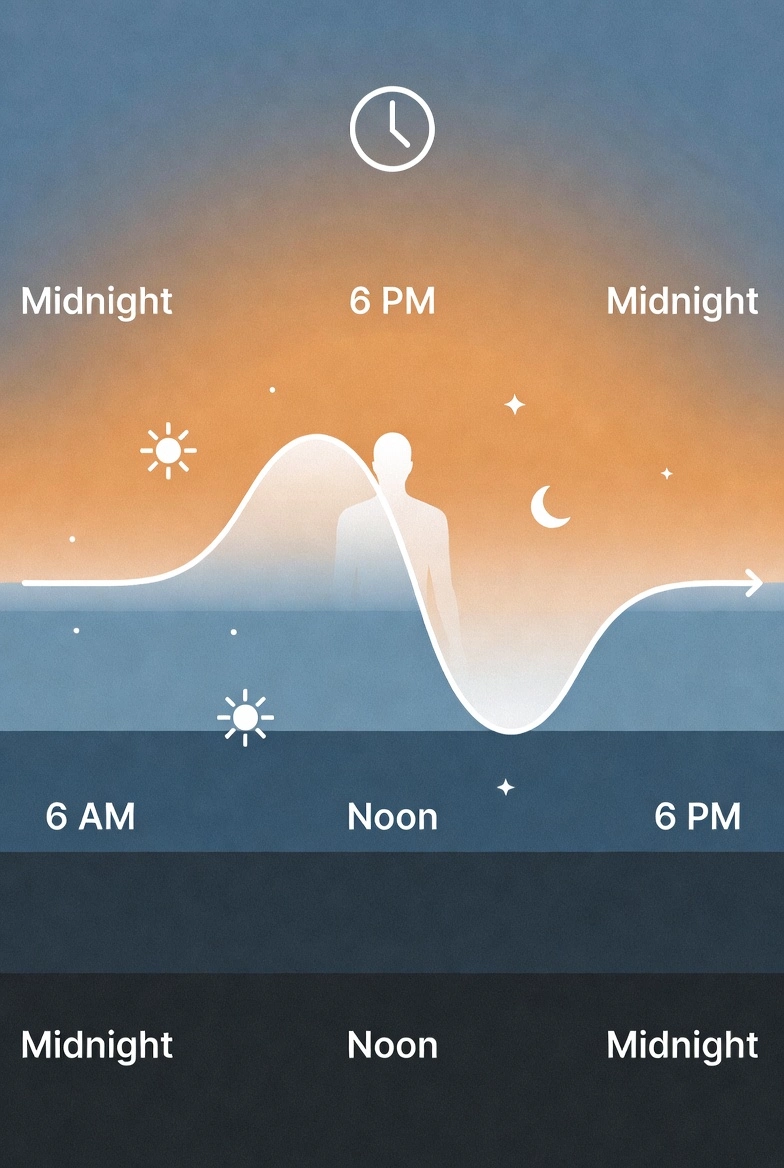
Spring adaptation of the body is a physiological restructuring process that occurs at the beginning of the season. Increasing daylight hours affect circadian rhythms, the synthesis of melatonin and cortisol, and alter energy metabolism and behavioral habits.
Gradual support helps reduce manifestations of spring asthenia, fatigue, and metabolic fluctuations.

Physiological Changes at the Beginning of Spring
Restructuring of Circadian Rhythms
Increasing daylight hours:
-
reduce melatonin secretion
-
normalize the morning cortisol peak
-
influence serotonin activity
The body transitions from an “energy-saving winter mode” to a more active state.
Hormonal Regulation
In spring, the following may occur:
-
fluctuations in appetite
-
changes in glucose levels
-
instability of energy tone
This is not a pathology but an adaptive process.
Metabolic Features of the Spring Transition
| Process | What Happens | Clinical Manifestation |
|---|---|---|
| Energy Metabolism | Increased need for micronutrients | Fatigue in case of deficiency |
| Neurotransmitter Regulation | Increase in serotonin | Improved mood |
| Immune Adaptation | Reduced frequency of ARVI | Gradual stabilization |
The body “recalibrates” — and this process requires resources.

Nutrition at the Beginning of Spring
Nutritional Focus
Spring is not a time for strict restrictions but for a gentle reset of routine.
Physical Activity and Sleep
| Parameter | Recommendation |
|---|---|
| Activity | Gradual increase in workload |
| Sleep | 7–9 hours of a stable schedule |
| Daylight | 20–40 minutes daily |
A sharp start with a “new life from Monday” often ends in overexertion.
Questions and Answers
Why does weakness appear in spring?
Due to hormonal regulation restructuring and a possible accumulated micronutrient deficiency.
Should the diet be changed?
Yes, but gradually — with an emphasis on protein, fiber, and omega-3.
Is a spring detox necessary?
Physiological detoxification mechanisms work continuously. A balanced diet and routine are sufficient.
Conclusions
The beginning of spring is a period of physiological restructuring. The body needs support, but not extreme measures. Gradualness and consistency remain the key to a healthy transition into the new season.
References
-
WHO Healthy Diet Guidelines.
-
National Sleep Foundation. Circadian rhythm regulation.
-
Harvard Medical School. Seasonal physiology research.
About the Author