

Seasonal changes in the body in spring are associated with a complex restructuring of physiological processes. The increase in daylight duration, changes in temperature and levels of physical activity affect hormonal regulation, metabolism and neurotransmitter systems.
During this period, fluctuations in energy levels, mood changes, and adaptation of circadian rhythms may occur. Understanding these processes helps properly support the body during the transitional season and reduce manifestations of seasonal asthenia.
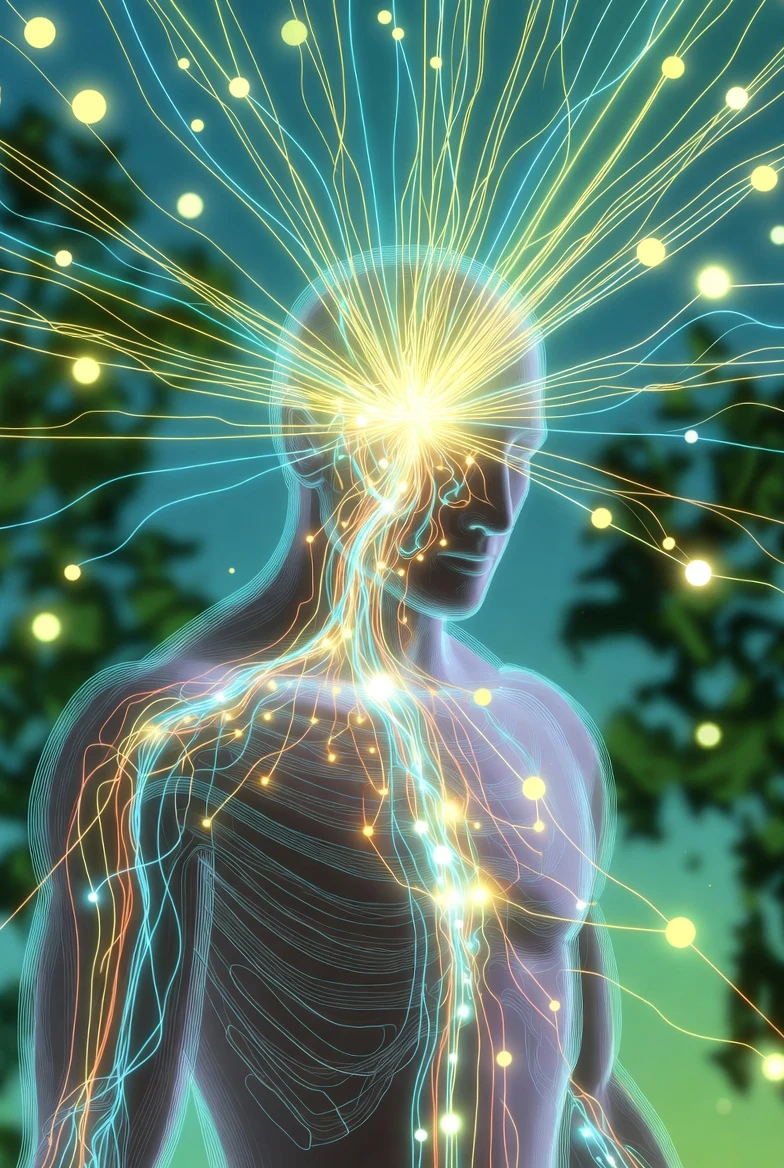
How hormonal regulation changes
The transition from the winter to the spring period is accompanied by changes in the functioning of the endocrine system. The light regime is one of the main factors regulating hormonal activity.
Melatonin
Melatonin is a hormone that controls the sleep–wake cycle. Its secretion depends on darkness.
In spring:
-
the period of melatonin secretion shortens
-
the time of falling asleep changes
-
circadian rhythms undergo restructuring
A decrease in melatonin levels is a natural response to longer daylight hours.
Serotonin
Serotonin plays an important role in the regulation of mood, motivation, and cognitive functions.
| Factor | Biological effect | Potential manifestation |
|---|---|---|
| Increase in sunlight | Increase in serotonin synthesis | Improved mood |
| Change in circadian rhythms | Neurotransmitter instability | Energy fluctuations |
| Adaptation of the nervous system | Restructuring of sleep regulation | Sleepiness |
The spring restructuring of neurotransmitter systems may last several weeks.
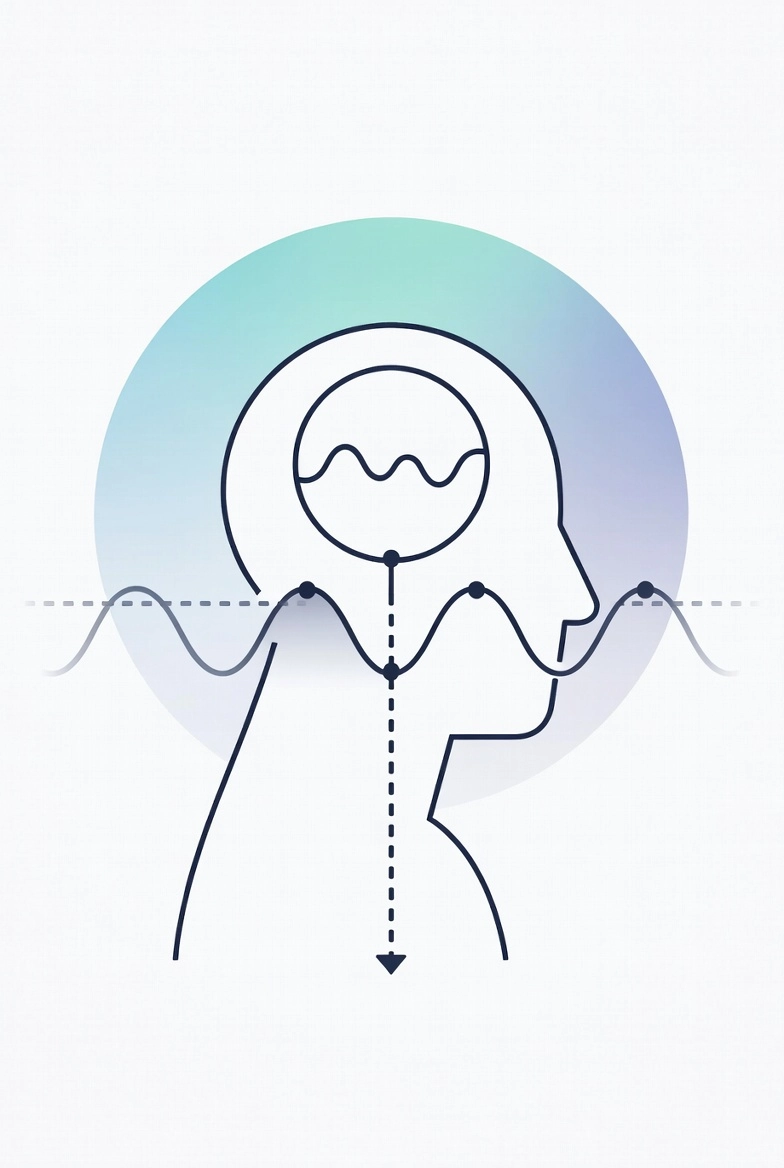
Metabolic adaptation
Metabolic processes also change under the influence of seasonal factors.
The winter period is often characterized by:
-
lower physical activity
-
higher caloric intake
-
reduced ultraviolet exposure
In spring, the body gradually shifts to a more active mode.
| Metabolic process | What happens in spring | Possible effect |
|---|---|---|
| Energy metabolism | Increase in activity | Gradual increase in endurance |
| Immune regulation | Stabilization after winter infections | Lower frequency of colds |
| Hormonal balance | Adaptation to daylight hours | Normalization of sleep |
Adaptive mechanisms may be accompanied by a short-term feeling of fatigue or sleepiness.

How to support the body during seasonal adaptation
Physiological adaptation in spring occurs more easily if basic regulatory mechanisms are supported.
Main principles:
-
regular sleep schedule
-
sufficient physical activity
-
balanced nutrition
-
exposure to daylight
| Practice | Biological effect |
|---|---|
| Morning sunlight | Synchronization of circadian rhythms |
| Moderate physical activity | Improved metabolism |
| Protein nutrition | Support of neurotransmitters |
| Hydration | Stabilization of energy balance |
The most effective strategy is gradual adaptation without abrupt changes in routine.

Questions and answers
Why does mood change in spring?
This is related to changes in serotonin levels and circadian rhythms.
Is it normal to feel tired at the beginning of spring?
Yes, this is a typical adaptation process.
How long does the body’s adaptation last?
For most people, it lasts from several weeks to one month.
Conclusions
Seasonal changes in the body in spring are a natural process of adaptation to new environmental conditions. Hormonal restructuring, changes in circadian rhythms and metabolism may temporarily affect well-being. A balanced sleep schedule, physical activity, and proper nutrition help the body stabilize internal processes more quickly.
References
-
Roenneberg T., Merrow M. The circadian clock and human health. Current Biology.
-
Wright K.P. et al. Entrainment of the human circadian clock. Current Biology.
-
Walker M. Why We Sleep. Scribner.
-
Czeisler C.A. Circadian physiology. Cold Spring Harbor Perspectives in Biology.
-
National Sleep Foundation. Sleep and circadian rhythm research.
-
Harvard Medical School. Seasonal effects on physiology.
About the Author