

In spring, the skin often behaves strangely: it’s as if winter is over, but it hasn’t yet adapted to the warmth. Spring skin care is especially important, as dryness, sensitivity, sometimes breakouts, or uneven texture appear. The reason is simple — sudden temperature changes, more sun, and a protective barrier exhausted after winter. Good news: just a few adjustments to your routine — gentle cleansing, more hydration, and mandatory SPF — and the skin recovers fairly quickly.
Spring is not just “switch to a lighter cream and that’s it.” It’s a transitional period, where the skin still remembers the cold but already receives sun and warmth.
And if you ignore this moment, you can easily get: dryness + irritation + breakouts all in one.
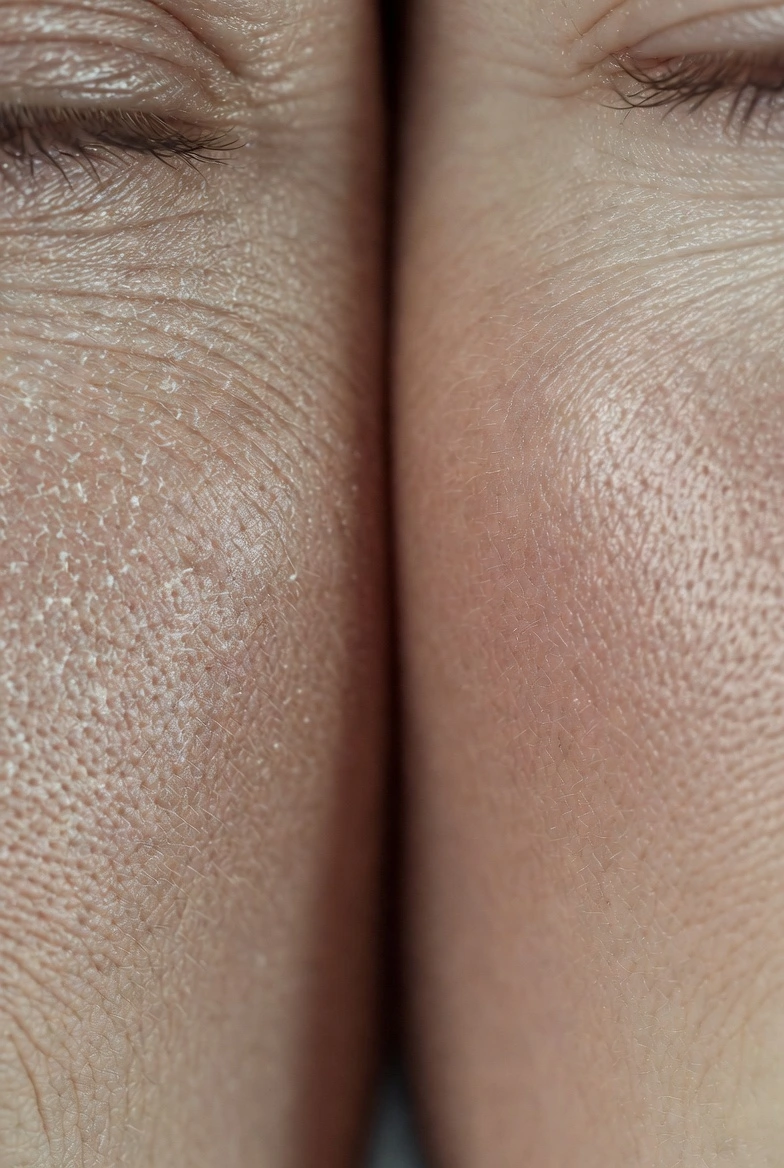
Skin types in spring
Spring care depends on skin type. Each skin reacts to weather changes differently, so it’s important to adapt your routine:
Dry skin:
- Needs more intensive hydration.
- Light creams with hyaluronic acid or ceramides.
- Avoid aggressive cleansing.
Oily or combination skin:
- Light gels or foams for washing.
- Possible use of light moisturizing fluids.
- Control oiliness, but do not over-dry the skin.
Sensitive skin:
- Minimum active ingredients, no acids or retinol during the adaptation period.
- Gentle cleansers and barrier repair creams.
- SPF is mandatory, even in the city.
Normal skin:
- Maintain balance: gentle cleansing, hydration, and daily SPF.
- Light exfoliants can be introduced if there is no irritation.
Why skin needs adaptation in spring
Temperature fluctuations and sunlight
Spring is about contrasts. Cold in the morning, warm during the day, cool again in the evening. The skin literally doesn’t have time to adjust.
What happens:
- Skin barrier is compromised
- Sensitivity increases
- Redness appears faster
And another often underestimated factor — ultraviolet. It’s already quite active, even if it’s not hot. That’s why pigmentation often “appears” in spring.
Increased dryness after winter
After the heating season, the skin is often dehydrated. Even if it is oily by type.
Typical picture:
- Tightness after washing
- Peeling
- Dull appearance
And the number one mistake here is to start aggressively “cleaning” the skin. This only makes the situation worse.
Table 1. What changes in the skin in spring
| Factor | What happens | How it looks |
|---|---|---|
| Temperature fluctuations | Barrier disruption | Redness, sensitivity |
| Sun (UV) | Photo damage | Pigmentation, dullness |
| Dry skin after winter | Moisture deficiency | Peeling, tightness |
| Wind | Mechanical irritation | Roughness |
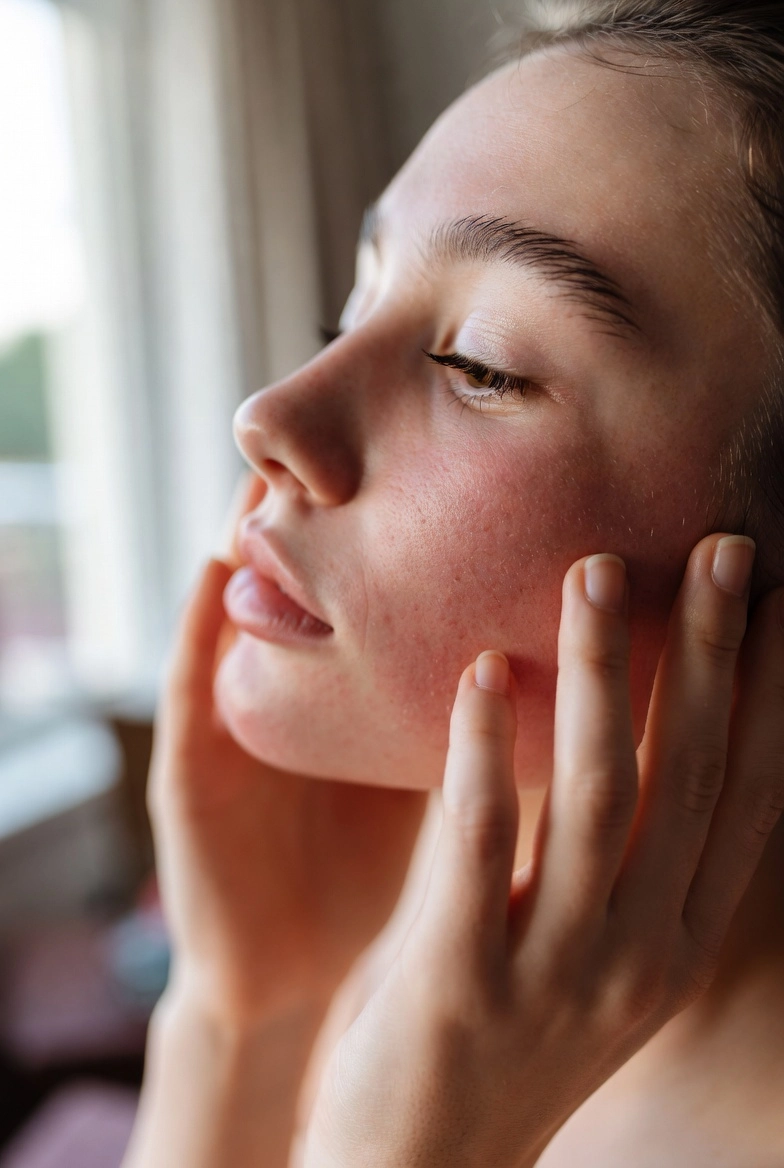
Symptoms Signaling Discomfort
Itching and Flaking
This is the most common scenario. The skin starts “asking for help.”
Causes:
- damaged protective barrier
- lack of moisture
- overly aggressive care
It is important here not to start experimenting with acids “to remove flaking.” Spoiler: it will make it worse.
Changes in Skin Texture
Another unpleasant moment — the skin becomes uneven.
It may include:
- roughness
- small bumps
- the feeling of “not as smooth as before”
This is a normal reaction to seasonal change. But if ignored, it can develop into chronic sensitivity.
How to Safely Support Skin Health
No extremes here. No need to buy half the store.
You need three things:
softness, hydration, and protection.
Moisturizing and Gentle Cleansers
Cleansing:
- no harsh foams “until it squeaks”
- better: gels or cleansing creams
Moisturizing:
- lighter textures than in winter
- but regular
The idea is simple: not to remove the skin’s last layer of protection, but to help it restore it.
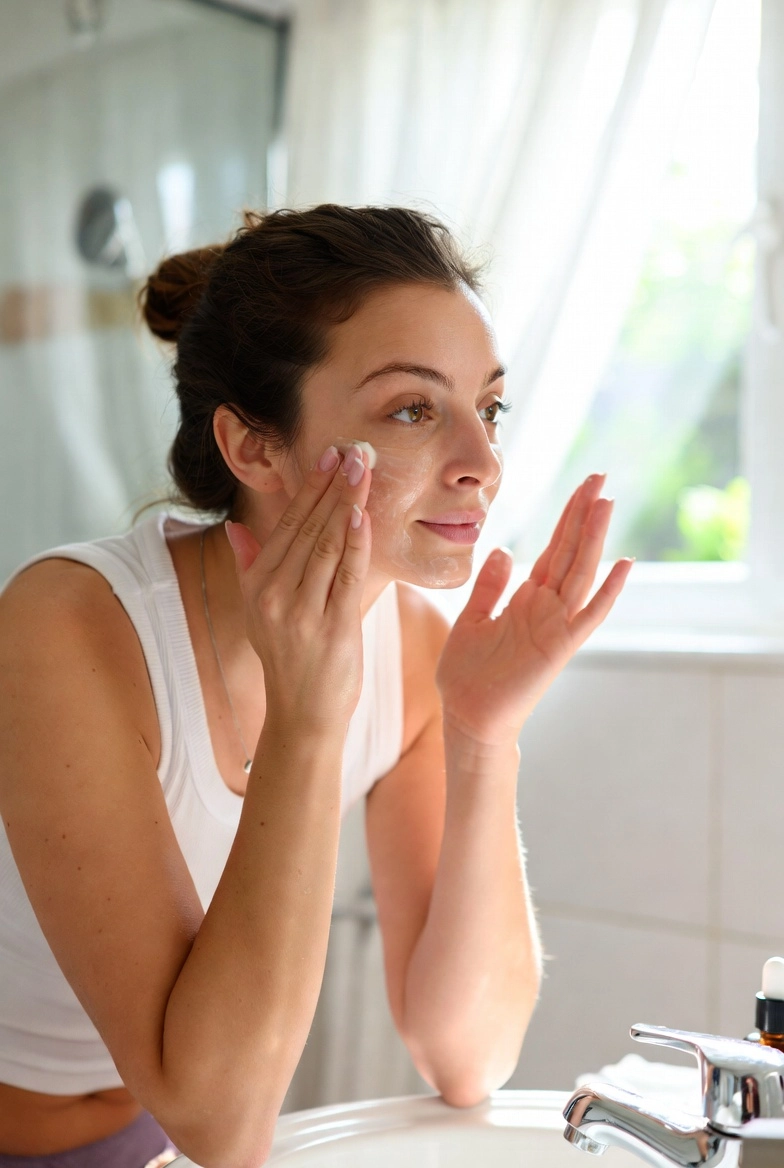
Using Sunscreens
This is what really changes the game.
SPF in spring:
- reduces pigmentation
- protects against photoaging
- reduces irritation
And no, “I’m not on the beach” is not an argument. Ultraviolet works in the city too.
Table 2. Basic Spring Skin Care
| Step | What to Do | Why |
|---|---|---|
| Cleansing | Gentle product | Do not destroy the barrier |
| Moisturizing | Light cream | Restore moisture balance |
| SPF | Daily | UV protection |
| Additionally | Minimal actives | Do not overload the skin |
Questions & Answers
Do I Need to Change My Routine in Spring?
Yes. The skin transitions from “survival mode” to a more active state, and the routine should reflect this.
Can I Use Acids?
Yes, but carefully. If there is irritation or dryness — it’s better to pause.
Is SPF Necessary in the City?
Yes. And this is not an exaggeration.
Why Does Skin Get Worse in Spring?
Because it is adapting. This is normal if you give it a little help.
Conclusion
Spring is not about perfect skin from day one. It’s about the transition.
In short:
don’t be aggressive, moisturize, and don’t forget the sun.
Then the skin will quickly “thank you” with its appearance.
References
- American Academy of Dermatology. Seasonal skin care tips.
- National Health Service. Dry skin and skin care.
- World Health Organization. Ultraviolet radiation and health.
- Draelos ZD. Skin barrier function. Dermatologic Therapy. 2018.
- Proksch E, et al. The skin: an indispensable barrier. Experimental Dermatology. 2008.
- Watson REB, et al. Effects of UV exposure on skin. Journal of Investigative Dermatology. 2014.
- Lodén M. Role of moisturizers in skin care. Clin Dermatol. 2012.
About the Author