January is traditionally associated with an increase in the frequency of acute respiratory infections, exacerbation of chronic diseases, and a general feeling of fatigue.
Contrary to common belief, the cause of this phenomenon is not only seasonal viruses but also a combination of factors that arise during and after the holiday period.
Overeating, sleep disturbances, reduced physical activity, and stress create conditions for a temporary decrease in immune response, which becomes clinically significant specifically in January.
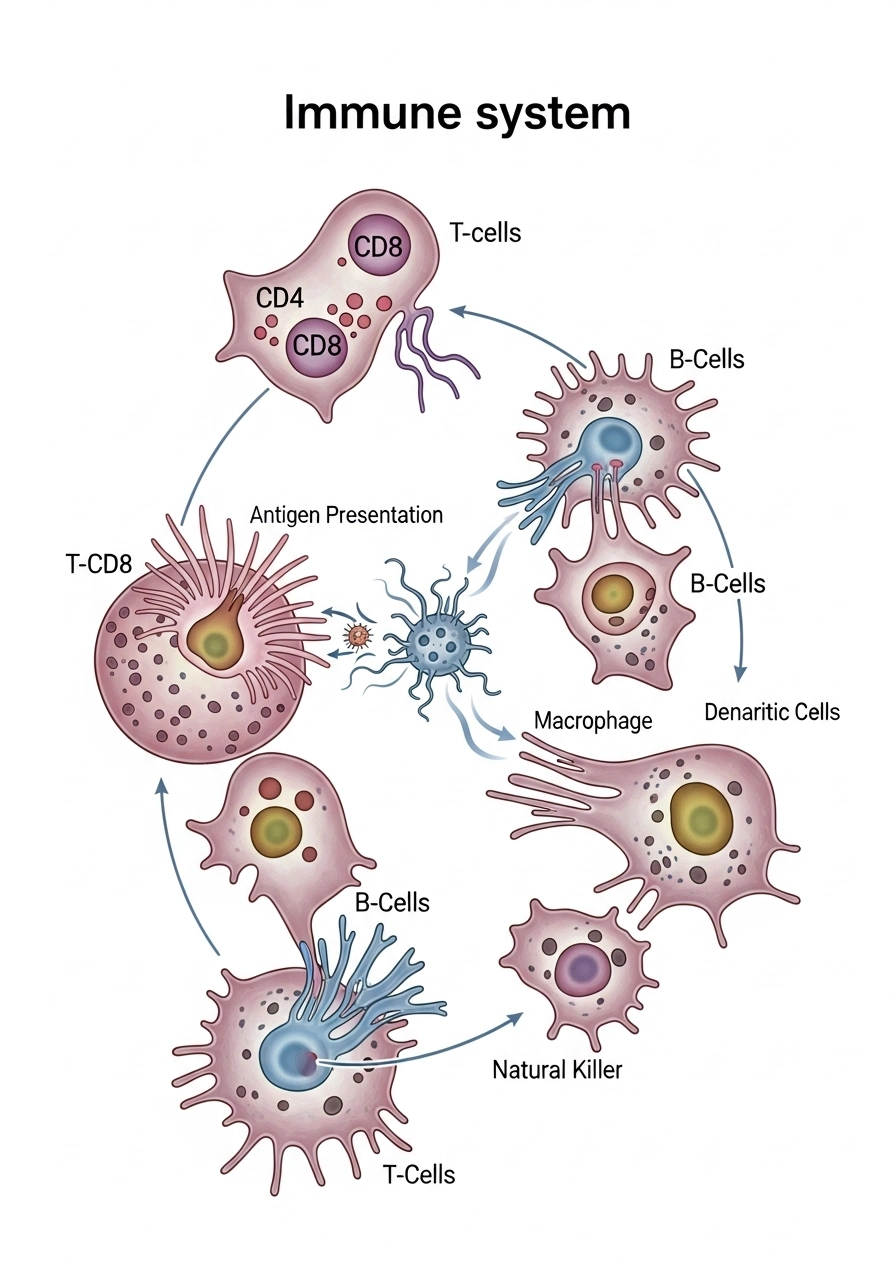
Factors reducing immunity after the holidays
The immune system is highly sensitive to lifestyle changes. After the holidays, key factors include:
-
sleep deficiency and circadian rhythm disruptions;
-
excess calories combined with micronutrient deficiency;
-
oxidative stress;
-
disruption of gut microbiota.
Table 1. Main post-holiday factors and their impact on immunity
| Factor | Mechanism | Consequence |
|---|---|---|
| Sleep deprivation | Reduced cytokine production | Weakened immune response |
| Excess sugar | Low-grade inflammation | Reduced immune cell activity |
| Alcohol | Barrier function disruption | Increased susceptibility to infections |
| Stress | Cortisol activation | Immunosuppression |
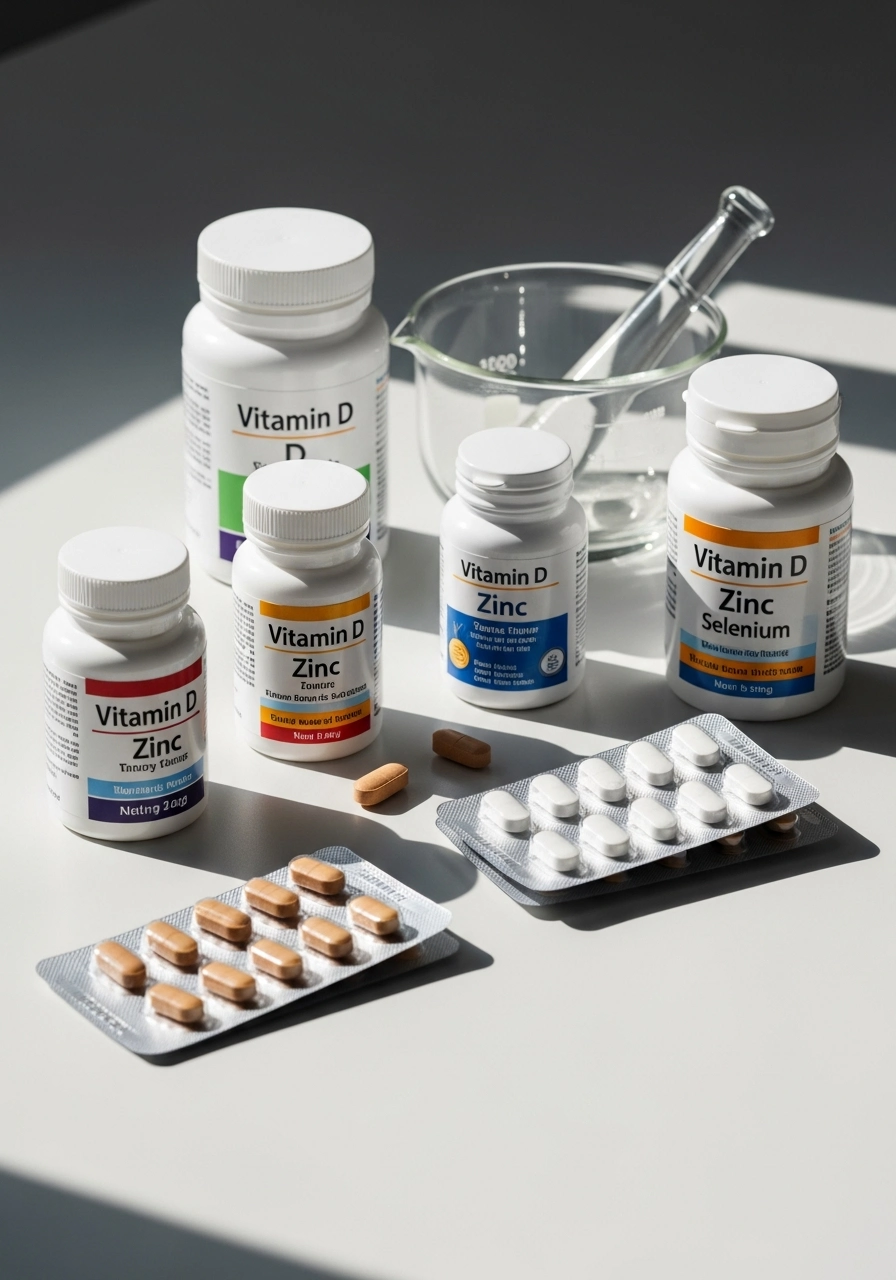
Key nutrients for immune support in January
Rational immune support is based not on stimulation but on restoring physiological mechanisms. The Medizine online store offers effective supplements and nutrients to support digestion, metabolism, and overall well-being. Additional recommendations for post-holiday recovery are available on our blog.
Most important nutrients:
-
Vitamin D — regulation of innate and adaptive immunity
-
Zinc — T-lymphocyte proliferation
-
Selenium — antioxidant protection
-
Vitamin C — support of phagocytosis
-
B vitamins — energy supply for immune cells
Table 2. Nutrients and their role in the immune response
| Nutrient | Main function | Clinical significance |
|---|---|---|
| Vitamin D | Immune modulation | Reduced risk of infections |
| Zinc | Cell differentiation | Shortened duration of URTIs |
| Selenium | Antioxidant protection | Reduced inflammation |
| Vitamin C | Phagocytosis | Support of mucous membranes |
| B vitamins | Cellular metabolism | Recovery after stress |
Microbiota and Immunity: Post-Holiday Aspect
About 70% of immune cells are associated with the gut. After the holidays:
-
the composition of the microbiota changes;
-
production of short-chain fatty acids decreases;
-
the immune barrier weakens.
During this period, a gentle support of the microbiota is advisable, without aggressive interventions.
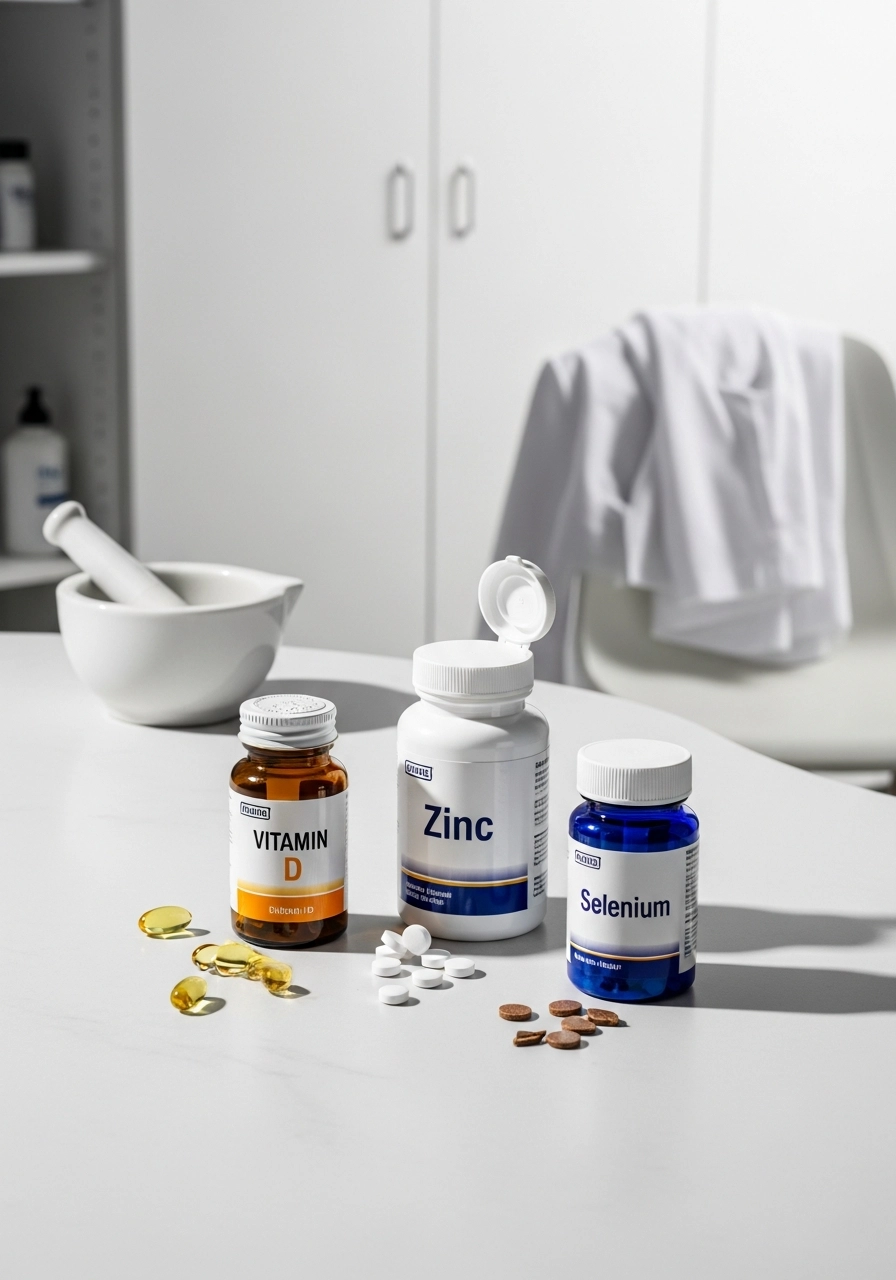
What Not to Do to “Boost Immunity”
-
use immunostimulants without indications;
-
combine a large number of supplements;
-
ignore sleep and routine, relying solely on supplements.
The immune system requires conditions, not forced stimulation.
Q&A
Why do people get sick more often in January?
Due to the combination of seasonal viruses with post-holiday immune exhaustion, sleep deprivation, and dietary disturbances.
Is vitamin C enough to support immunity?
No. Vitamin C is important, but effective immune support requires a comprehensive approach, including vitamin D, zinc, and selenium.
Should immunostimulants be taken after the holidays?
In most cases — no. It is better to restore the physiological mechanisms of the immune response.
What role does sleep play in January?
Chronic sleep deprivation reduces the production of immune mediators and increases the risk of infections.
Is it worth taking probiotics after the holidays?
If there are digestive issues or frequent infections — yes, but preference should be given to gentle regimens.
Conclusions
January is a critical month for the immune system due to the combination of seasonal and behavioral factors. Rational nutrient support, normalization of sleep and dietary routines allow restoring immune balance without excessive intervention.
References
-
Calder PC. Nutrition and immunity. BMJ.
-
EFSA Panel on Nutrition. Scientific opinions on vitamin D and zinc.
-
NIH Office of Dietary Supplements. Fact Sheets.
-
World Health Organization. Seasonal influenza guidelines.
-
Besedovsky L. Sleep and immune function. Physiology Reviews.
About the Author