

At the end of winter, many people experience persistent fatigue that does not go away after sleep or weekends. This is how chronic fatigue at the end of winter often manifests, gradually accumulating throughout the cold season.
Reduced energy, distractibility, and emotional exhaustion are often perceived as a “normal condition,” although in reality they are the result of a gradual depletion of the body’s adaptive resources.
In most cases, such fatigue is functional in nature and is associated with prolonged exposure to cold, lack of light, and accumulated strain rather than with acute illnesses.

Why Fatigue Builds Up by the End of Winter
Energy Deficit and Depletion of Reserves
The winter period requires the body to use more energy to maintain body temperature and basic functions. At the same time, physical activity usually decreases, and the diet becomes less diverse. As a result, an energy deficit gradually forms, which is not compensated by полноценным recovery.
Impact of Cold and Lack of Sunlight
Chronic light deficiency affects the regulation of biorhythms and the production of neurotransmitters responsible for alertness and motivation. The body remains in “winter mode” longer, which contributes to the accumulation of fatigue even without excessive workloads.
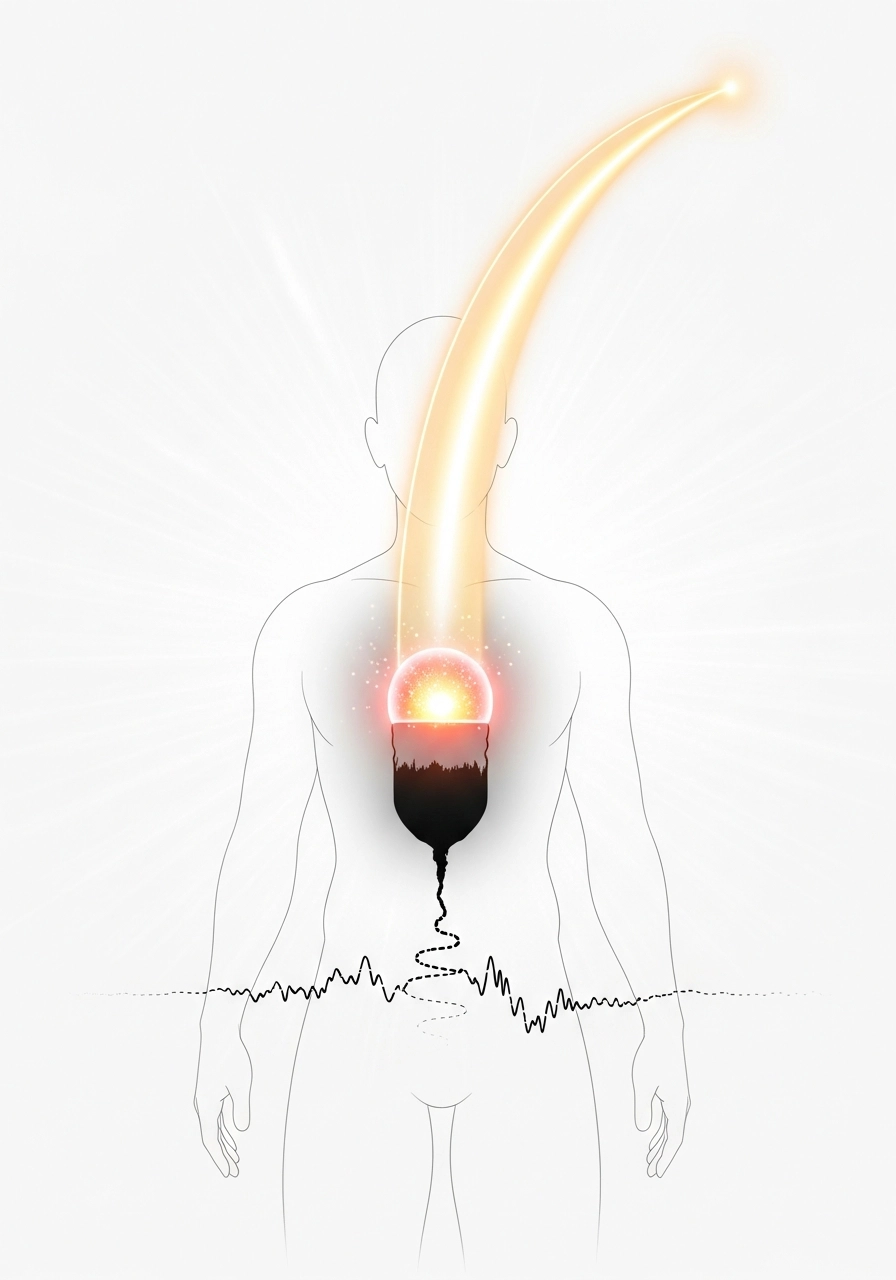
Main Symptoms of Winter Exhaustion
Physical and Cognitive Manifestations
Chronic fatigue at the end of winter manifests not only physically. Difficulties with concentration, reduced productivity, and emotional lability often appear. These symptoms may increase gradually and remain unnoticed for a long time.
Table 1. Typical Manifestations of Winter Chronic Fatigue
| Manifestation | Characteristic |
|---|---|
| Persistent fatigue | Does not disappear after rest |
| Sleepiness | During the day, even after sleep |
| Distractibility | Reduced concentration |
| Irritability | Increased emotional reactivity |
It is important to understand that these manifestations are often the result of prolonged adaptive strain, rather than a sign of “laziness” or weak motivation.
Table 2. Factors Supporting the State of Exhaustion
| Factor | Impact |
|---|---|
| Short daylight hours | Disruption of biorhythms |
| Limited movement | Slowed metabolism |
| Accumulated stress | Nervous system depletion |
| Irregular sleep | Insufficient recovery |

Energy Recovery Strategies
Sleep, Nutrition, and Gentle Physical Activity
Recovery from chronic winter fatigue requires not stimulation, but a gradual restoration of balance. Regular sleep at a consistent time, adequate nutrient intake, and moderate physical activity help activate the body’s natural recovery mechanisms.
It is worth avoiding abrupt changes: intense workouts, strict diets, or attempts to “reset” the body within a few days. Such approaches often only deepen exhaustion.
Questions and Answers
How can fatigue be distinguished from illness?
Functional fatigue is usually not accompanied by a sharp deterioration in condition, fever, or progressive symptoms.
Are tests necessary?
In cases of prolonged or pronounced fatigue, a doctor may recommend examinations to rule out deficiencies or systemic disorders.
When should you see a doctor?
If fatigue lasts for several months, worsens, or significantly reduces quality of life.
Is winter fatigue related to vitamin D deficiency?
Yes, it may be related. In winter, due to a lack of sunlight, vitamin D levels often decrease, which can sometimes be accompanied by fatigue and sleepiness. At the same time, winter exhaustion usually has multiple causes, so in cases of persistent fatigue, medical consultation is advisable.
Conclusions
Chronic fatigue at the end of winter is a common functional condition associated with the depletion of the body’s adaptive reserves. It requires an attentive yet gentle approach: a stable daily routine, gradual restoration of activity, and support of the body’s basic needs. Timely recognition of this condition helps prevent deeper exhaustion and prepare for the spring period without additional stress.
References:
-
World Health Organization. Fatigue and seasonal adaptation.
-
PubMed. Seasonal fatigue and circadian rhythm.
-
NICE. Chronic fatigue: assessment and management.
-
Reviews on light exposure and energy metabolism.
-
EFSA. Nutrition and energy balance.
About the Author