
During winter, the short daylight period significantly affects mood, energy levels, and overall well-being.
Many people experience drowsiness, reduced concentration, and disrupted sleep patterns even when healthy.
In most cases, this is not a medical condition but an adaptation of the body to changes in circadian rhythms.
How Short Daylight Affects Circadian Rhythms
Disruption of Biological Clocks
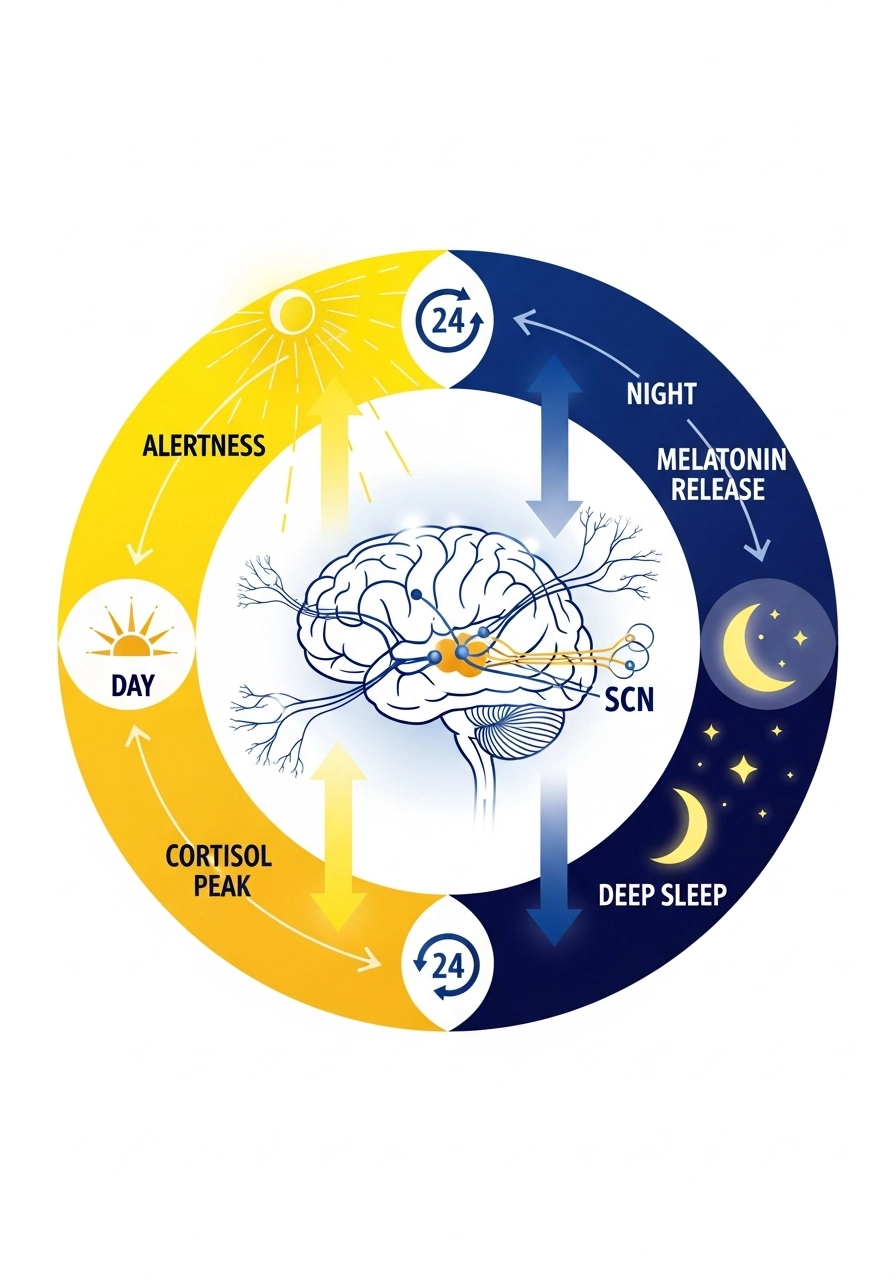
Circadian rhythms regulate sleep-wake cycles, hormonal activity, and energy levels. In winter, due to lack of natural light, these rhythms can shift, leading to later waking, daytime drowsiness, and difficulty falling asleep at night.
Melatonin and Short Daylight
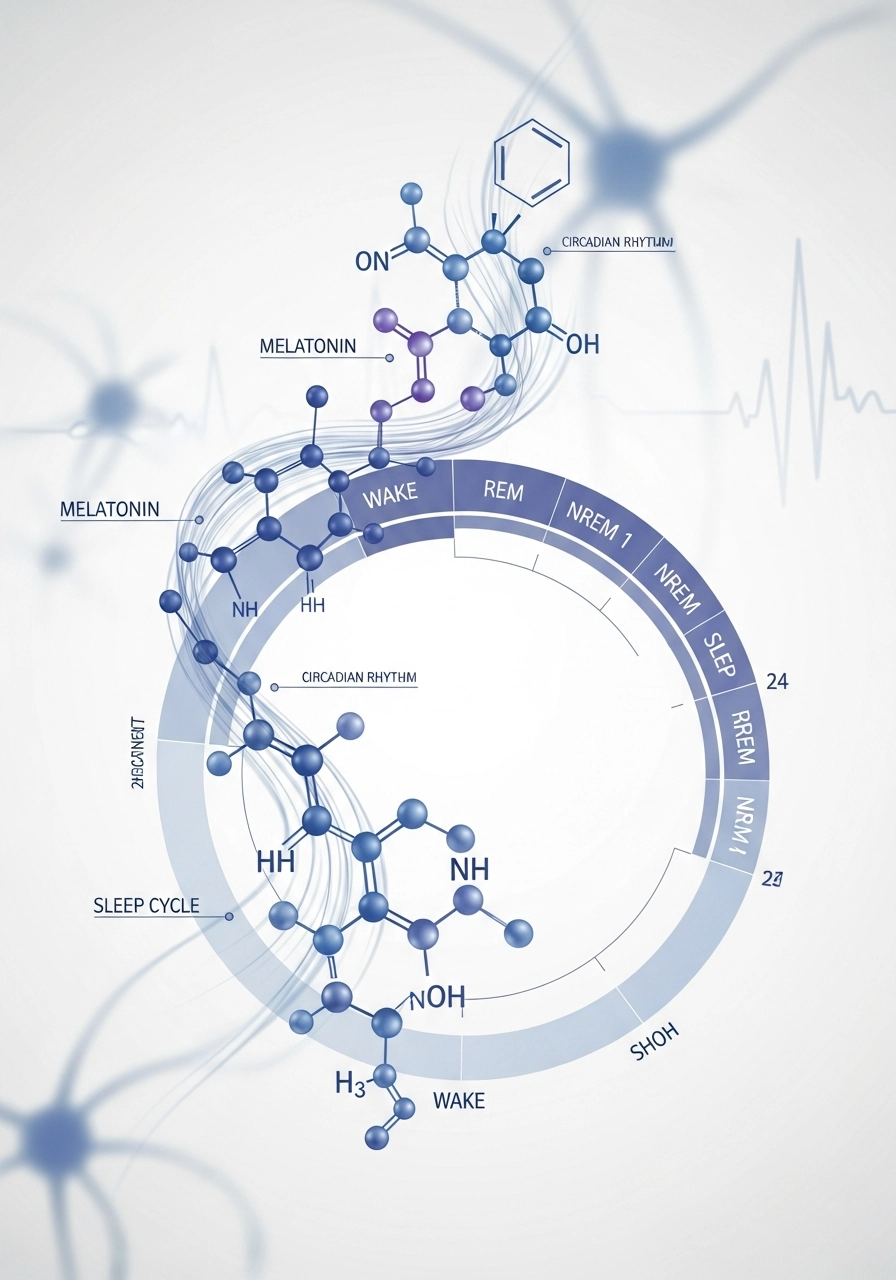
Melatonin is actively produced during darkness. When daylight is short, its secretion may extend, creating a feeling of constant fatigue and sluggishness, even in the morning.
How Short Daylight Affects Energy and Mood
Lack of light affects not only sleep but also cognitive function and emotional state. Reduced concentration, memory lapses, and irritability in winter often reflect the nervous system adapting to changing conditions.
Table 1. Common Signs of Light Deficiency in Winter
| Symptom | Cause |
|---|---|
| Drowsiness | Prolonged melatonin secretion |
| Reduced concentration | Shifted circadian rhythms |
| Mood swings | Neurotransmitter changes |
| Fatigue | Impaired recovery |
These symptoms accumulate gradually and may persist as a perceived “normal,” while actually reducing quality of life.
Table 2. Factors Amplifying the Effects of Short Daylight
| Factor | Impact |
|---|---|
| Early sunset | Shortened active hours |
| Extended indoor time | Lack of natural light |
| Irregular schedule | Circadian disruption |
| Stress | Reduced adaptation |
How to Adjust Your Daily Routine During Short Days
Light, Sleep, and Physical Activity
Adapting to short daylight doesn’t require drastic changes—gradual steps work best. Maximize natural light exposure in the morning, maintain a consistent sleep schedule, and engage in regular moderate physical activity to support circadian rhythms.
Avoid abrupt schedule shifts or compensatory “catch-up sleep” on weekends, as this can worsen circadian disruptions.
Questions & Answers
Is short daylight harmful to health?
In most cases, no. Winter drowsiness and morning sluggishness are linked to changes in circadian rhythms, not illness. Proper sleep schedule and light exposure help restore balance.
Do light lamps help with winter drowsiness?
Yes, morning light therapy can stabilize circadian rhythms and reduce fatigue. It’s best used in the first half of the day.
How to adjust sleep in winter?
Gradually shift your schedule by 15–20 minutes every few days. Wake up at the same time and make the most of morning light.
Why does energy drop in winter?
Short daylight increases melatonin production and shifts circadian rhythms, causing fatigue even after sufficient sleep.
Does lack of light affect immunity?
Indirectly, yes—through sleep disruption and increased stress. A stable daily routine helps reduce this effect.
Conclusions
Short daylight in winter presents a serious challenge to the body’s biological rhythms.
Drowsiness, decreased productivity, and mood changes are functional and can be mitigated with a stable schedule, proper light exposure, and moderate physical activity.
Mindful adaptation helps preserve energy and productivity without harming health.
References:
-
World Health Organization. Circadian rhythm and health.
-
PubMed. Light exposure and biological clocks.
-
NICE. Sleep and lifestyle recommendations.
-
Reviews on melatonin regulation.
-
EFSA. Sleep, light and metabolic health.
About the Author