Can tablets be stored without packaging? From the perspective of proper medication storage and home safety, removing tablets from blisters and boxes without necessity is generally not recommended.
Original packaging helps protect medicines from light, moisture, and confusion with names, dosages, and expiration dates. The FDA and other official sources pay significant attention to packaging and labeling, as this is part of the product’s quality, not just a design element.
How packaging affects medication stability
Protection from light and moisture
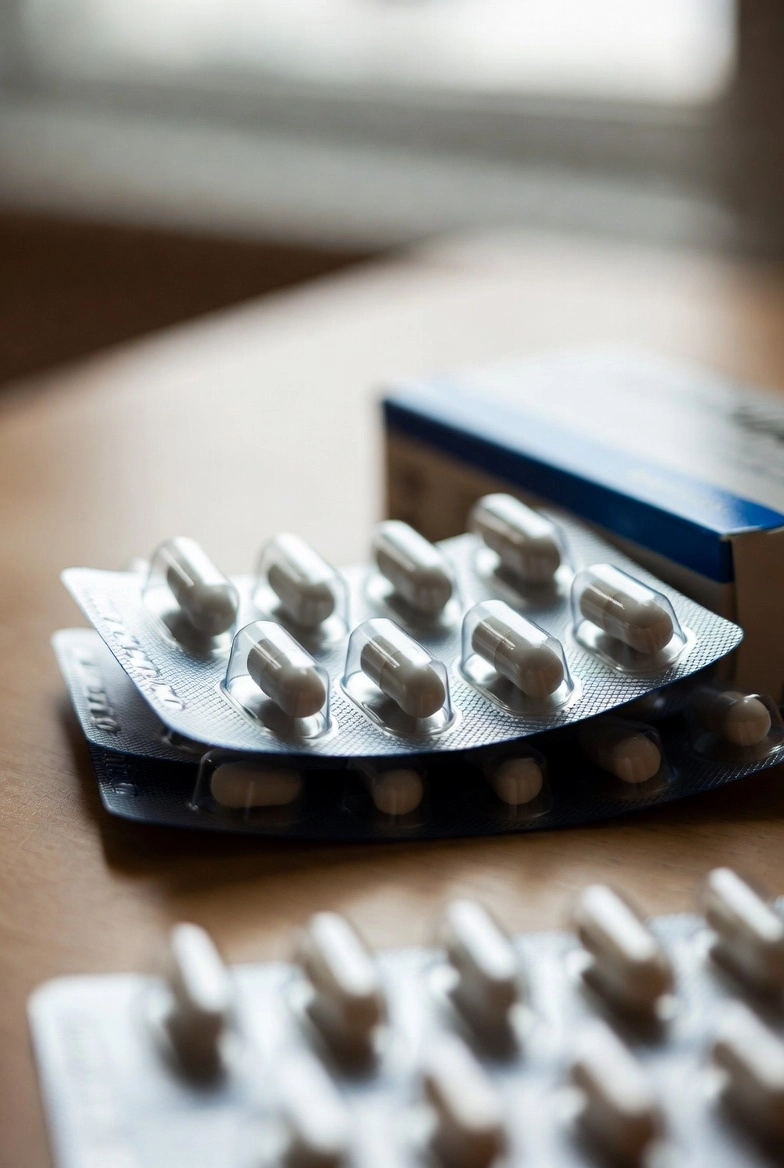
Packaging creates a barrier between the product and the environment. For some medicines, this is especially important, as moisture, light, or contact with air can reduce stability. Blisters, bottles, and outer cartons are used together for a reason: each layer serves its own function.
Why airtightness matters
As long as a blister or bottle remains sealed, the medicine is better protected. When packaging is damaged or tablets are transferred elsewhere “for convenience,” this protection weakens. Sometimes nothing critical happens, but the risk of errors or poorer storage conditions increases. If you plan to take medications with you on a trip, check out the article “how to travel with medications on a plane: rules, packaging, and blisters.”
| Packaging component | Purpose |
|---|---|
| Blister or bottle | Barrier against moisture, air, and mechanical impact |
| Box | Additional protection and space for important information |
| Label | Name, dose, expiration date, batch |
| Leaflet | Storage conditions, directions for use, warnings |
What happens if packaging is changed
Risks of losing properties
The main issue is not the fact that “a tablet was moved,” but that afterward it may be stored in worse conditions. More exposure to air, light, or moisture increases the likelihood that the product will become less stable. This is especially undesirable for sensitive forms.
Mix-ups with medicines
This is very common in real life. When tablets are stored without boxes, blisters, or labels, after a week they all become “somewhat familiar, but which is which?” Names, dosages, expiration dates, and instructions are lost. And confusion with medicines is not about aesthetics—it’s about safety. The FDA even issues separate guidance on blister and carton labeling because of the importance of critical information.
How to organize a home medicine cabinet
Storing in boxes and blisters
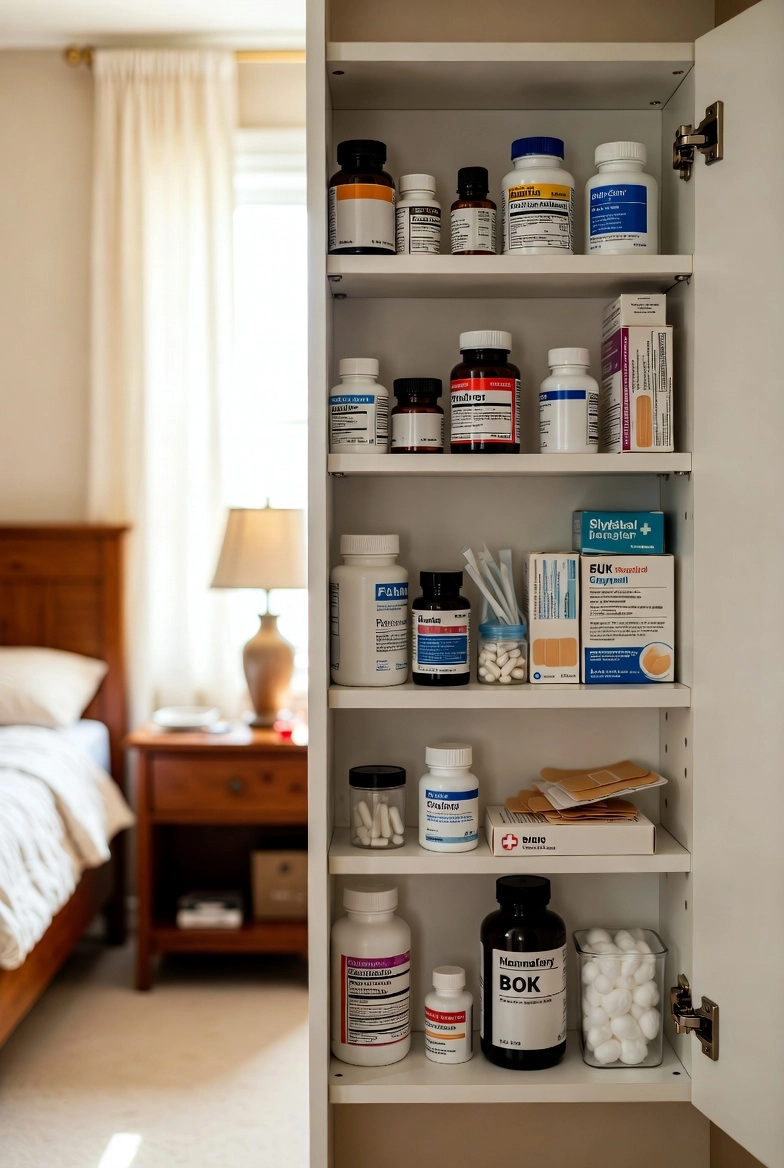
The best everyday advice is simple but correct: keep medicines in their original packaging with labeling. This makes it easier to track expiration dates, dosages, and storage conditions. Yes, boxes take up more space, but they prevent you from playing “pharmacy roulette.”
Expiration date control
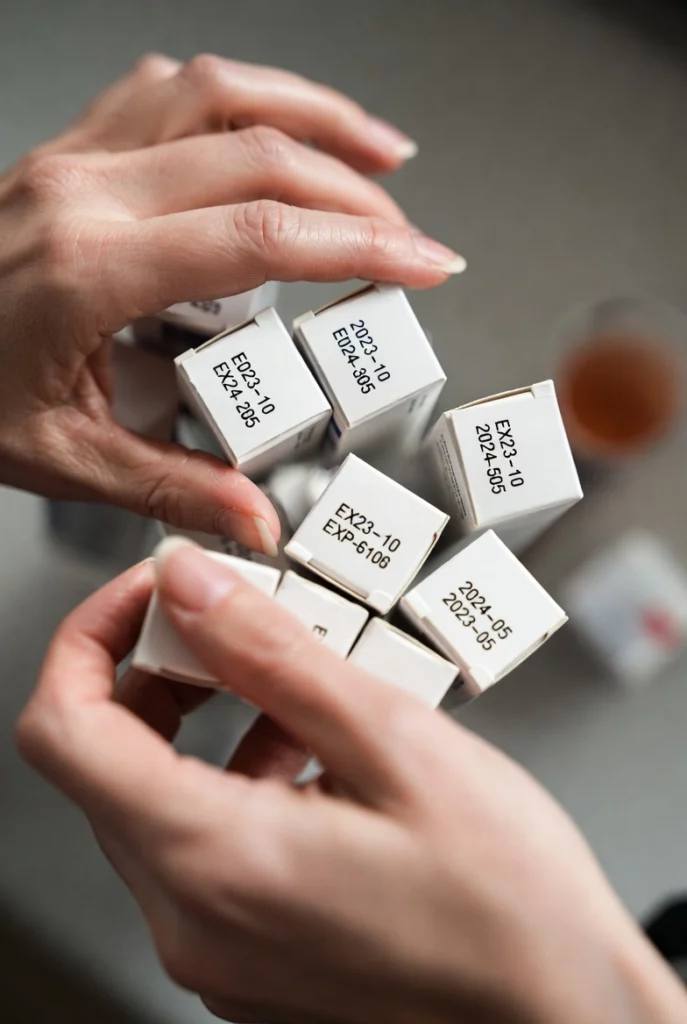
Expiration dates are easier to track when the packaging is preserved. Expired, damaged, or unidentifiable medicines should be removed from home supplies and properly disposed of, rather than kept “just in case,” as recommended by the FDA.
| How to organize a medicine cabinet | Why it makes sense |
|---|---|
| Keep tablets in blisters | Less exposure to the environment |
| Do not discard boxes immediately | Access to name and expiration date |
| Check supplies every few months | Lower risk of keeping expired items |
| Keep out of reach of children | Reduced risk of accidental access |
Questions and answers
Can I throw away the boxes for convenience?
It’s better not to, unless it’s a short-term necessity. The box and labeling help prevent mistakes.
Do blisters really protect tablets?
Yes, they are part of barrier packaging.
Why are tablets without packaging a bad idea?
Because of moisture, light, loss of information, and the risk of mix-ups.
What should I do with unidentifiable tablets?
Do not use them and dispose of them properly.
Conclusions
A home medicine cabinet should not be compact at any cost, but clear and safe. Original packaging is a practical tool for protecting the product and your safeguard against mistakes. If choosing between “neatly reorganizing everything” and “preserving important information,” the safer option is clearly the latter.
Before using medicinal products, read the instructions and consult a healthcare professional if necessary.
References
- FDA. Container Closure Systems for Packaging Human Drugs and Biologics.
- FDA. Safety Considerations for Container Labels and Carton Labeling Design.
- FDA. Disposal of Unused Medicines: What You Should Know.
- FDA. Where and How to Dispose of Unused Medicines.
- FDA. Q1 Stability Testing of Drug Substances and Drug Products.
About the Author