When traveling, it is important not only to take your medications with you but also to keep them from getting damaged. For air travel, official rules allow you to carry tablets in your carry-on baggage, and liquid medications in amounts exceeding the standard limit are also allowed if they are needed during the flight.
For travel in general, it is most reliable to keep medications in their original packaging or at least with a label and instructions, and to protect them from overheating, moisture, and mechanical damage.
What are the rules for transporting medicines
What to consider on a plane
TSA allows you to carry tablets in your carry-on baggage. Liquid medications are also allowed, even if they exceed 3.4 ounces, but they must be declared separately during screening. For entry into the United States, CBP recommends transporting medications in their original packaging with a doctor’s instructions or at least with a label. This is not a minor detail: at the border or during inspection, packaging actually helps explain what exactly you are carrying.
Features of transportation by car
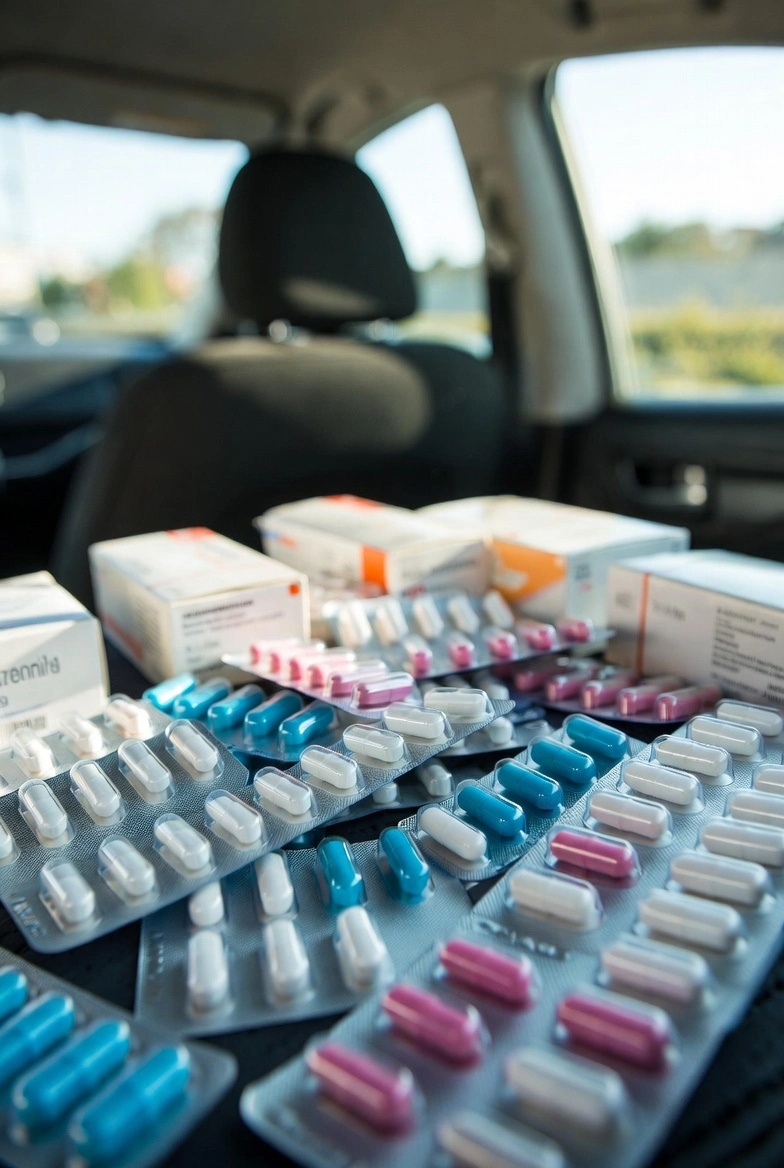
Traveling by car may seem simpler, but there is another trap — temperature. The cabin and trunk can quickly overheat or get too cold, which is not ideal for some medications. If medicines need to be stored at controlled room temperature, they should not be left in a car for long periods in direct sunlight or cold conditions. During the trip, it is better to keep your medical kit in a dry, light-protected place and not throw it “somewhere in the glove compartment between a charger and chewing gum.” It may be convenient in everyday terms, but from a pharmaceutical perspective, it is not ideal.
| Situation | What is best to do |
|---|---|
| Flight with tablets | Carry them in your carry-on, preferably in original packaging |
| Flight with liquid medications | Declare them during screening as medically necessary |
| Long car trip in hot weather | Do not leave your medical kit in a hot cabin or trunk |
| Traveling with multiple medications | Keep them together with names, dosages, and expiration dates |

Why packaging matters
The role of blister packaging in protecting medicines
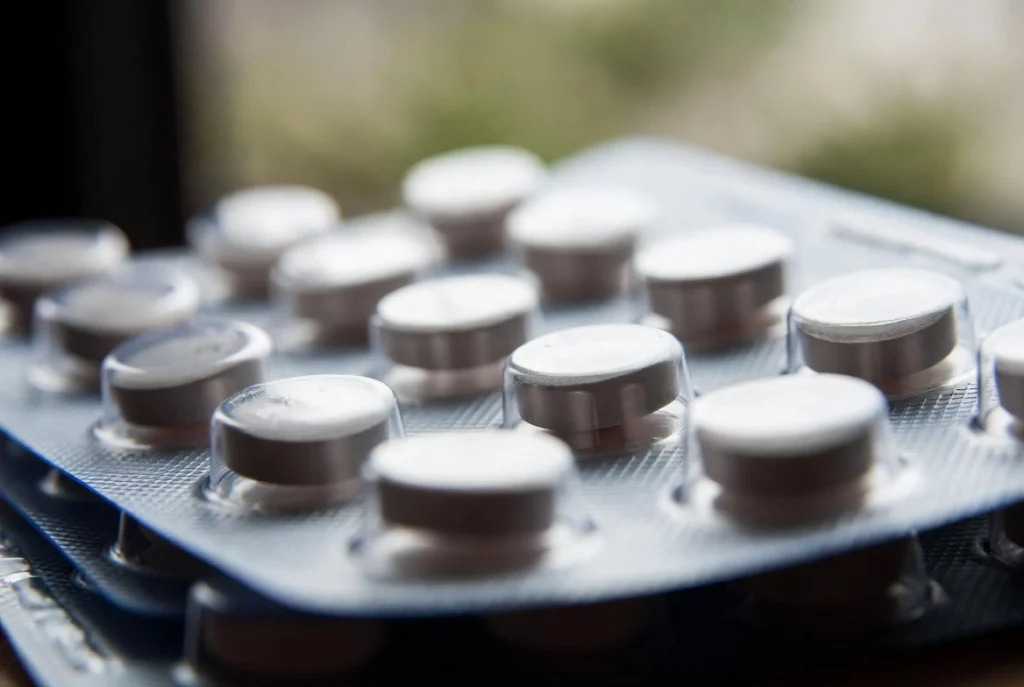
Blister packaging is not just “for neat arrangement.” The FDA describes blister packaging as a system with barrier layers that help protect the medication from the external environment. Stability documents also clearly state that hermetically sealed aluminum blisters can act as a continuous barrier to moisture. In other words, blister packaging actually works as protection, not as an unnecessary layer of plastic.
What happens if the packaging is damaged
When the seal is broken, the medication is exposed to air, moisture, and light. This can affect its stability, especially if the product is sensitive to environmental conditions. Not every crack automatically means that the tablet is spoiled, but the risk is already higher than with an intact blister.
How to prepare medicines for travel
Temperature and humidity
Before traveling, it is worth checking the storage conditions for each specific medication on the packaging or in the instructions. Not all medicines tolerate heat, humidity, or direct sunlight equally well. A bathroom, glove compartment, car dashboard, or hotel windowsill are not places where your medical kit will “feel comfortable.”
Organizing a travel medical kit
The best travel medical kit is not about “saving as much space as possible,” but about clarity — knowing what is what. Keep medications in their boxes or blisters whenever possible and do not forget about expiration dates. If you have multiple medications, it is helpful to keep a separate list of names and dosages. This reduces the risk of mixing things up automatically, especially when you are tired, sleep-deprived, and somewhere between transfers you no longer clearly remember what is for what.
| What to check before traveling | Why it matters |
|---|---|
| Integrity of blisters and boxes | To ensure the medication is protected |
| Storage conditions | To avoid overheating or excess moisture |
| Expiration date | To avoid bringing expired medication |
| Names and dosages | To avoid confusion during travel |
Questions and answers
Can you carry tablets in your carry-on?
Yes, TSA allows this.
Is original packaging required?
For TSA, this is not always a strict requirement, but CBP recommends original packaging with instructions or labeling. For travel, this is a reasonable option.
Why should you not leave medicines in a car?
Due to overheating and temperature fluctuations that may affect the stability of the medication.
Does blister packaging really provide protection?
Yes, it helps create a barrier against moisture and other environmental factors.
Conclusions
When traveling, it is better to transport medicines not “however it works,” but with attention to packaging. The original box, intact blister, proper temperature, and a dry place are not overcaution, but a basic approach to maintaining the quality of the medication. In air travel, logistics also matter: what you may need during the trip is better kept with you rather than checked into luggage.
References
- TSA. Travel Tips – Medication.
- U.S. Customs and Border Protection. Traveling with Medication to the United States.
- FDA. Container Closure Systems for Packaging Human Drugs and Biologics.
- FDA. Q1 Stability Testing of Drug Substances and Drug Products.
- FDA. Disposal of Unused Medicines: What You Should Know.
About the Author