
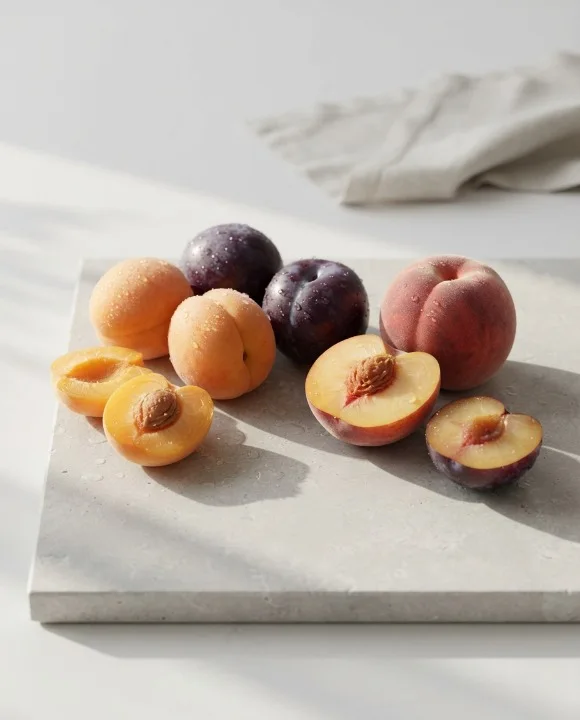
Summer in Ukraine is unimaginable without the aroma of ripe stone fruits. But today, we look at them not just as dessert, but as powerful biohacking tools. In a world of high digital load and stress, apricots, peaches, and plums are becoming your natural “pharmacy.”
Here is how to get the most benefit from these seasonal treasures.
1. Apricot: Your “Digital Shield” and Heart Support
The apricot (lat. Prunus armeniaca) is a record holder for beta-carotene content. In 2026, this is especially relevant for those who spend a lot of time in front of monitors.
- Eye protection (Blue Light Protection): Carotenoids help the retina recover after exposure to the blue light of gadgets.
- Blood pressure control: Thanks to potassium, apricots (especially dried apricots) are ideal for preventing hypertension.
- Skin secret: Vitamin C combined with antioxidants stimulates the production of your own collagen (Anti-age effect).
💡
Lifehack:
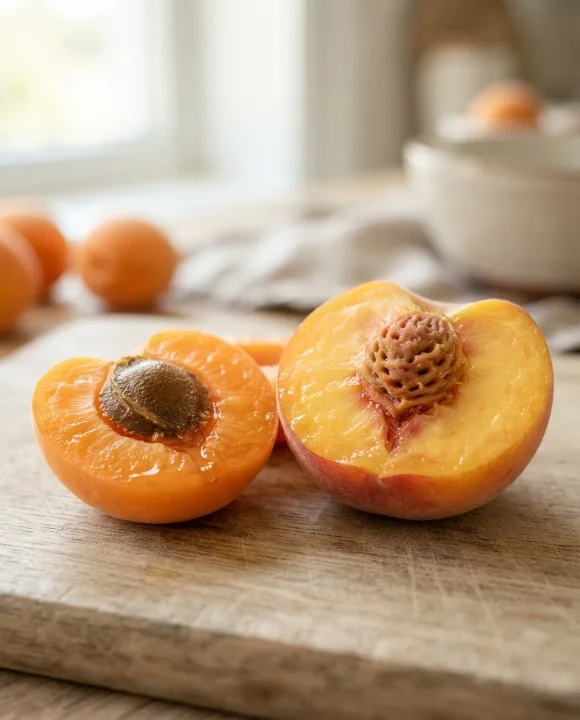
Choose fruits with the most saturated orange color—the concentration of beneficial pigments in them is 2-3 times higher.
2. Peach: Cellular Hydration and the “Fruit of Tranquility”
The peach is 88% structured water enriched with minerals. It is the best natural isotonic.
- Hydration and detox: These fruits stimulate the removal of toxins and support kidney function.
- Anti-stress: Magnesium and phosphorus in peaches help reduce anxiety and improve mood.
- Microbiome: Pectins and soft fibers support a healthy gut microbiome, which is the foundation of immunity.
💡
Lifehack:
Due to climate change in Ukraine, many local varieties have appeared even in the north. Choose “local” to get a fruit that hasn’t undergone long-term chemical treatment for transportation.
3. Plum: Brain and Vascular Superfood
The plum is a leader in anthocyanins (blue pigments), which are powerful neuroprotectors.
- Anthocyanins for the brain: They protect brain cells from oxidative stress and improve cognitive functions (memory and concentration).
- Metabolism: Plums have a low glycemic index, which helps control blood sugar levels.
- Vascular health: Vitamin P (rutin) strengthens capillary walls, which is important for preventing varicose veins.
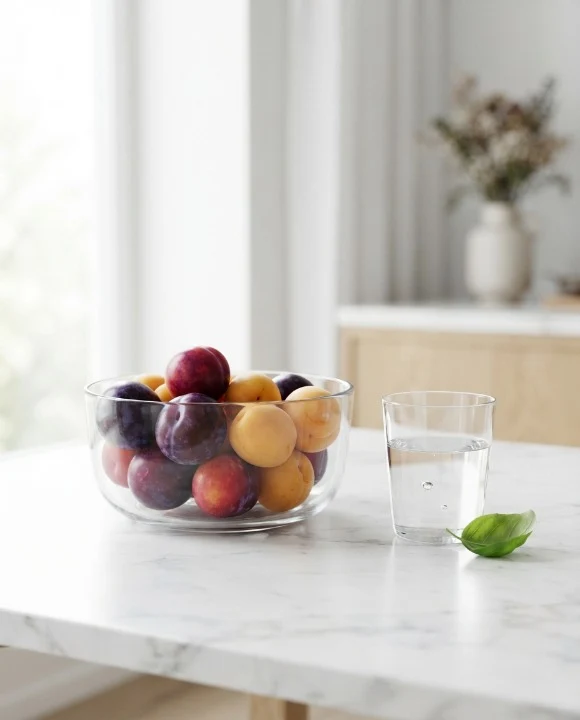
Comparison Table of Benefits (per 100g)
| Property | Apricot | Peach | Plum |
| Main “Power” | Vision, Heart | Nerves | Brain |
| GI (Sugar) | 30 | 35 | 40 |
| Potassium | High | Med. | Med. |
| Fiber | 2.1 g | 1.5 g | 1.4 g |
4. Trends in 2026: No Sugar & Zero Waste
In 2026, we are moving away from sugar-laden jams in favor of modern methods:
- Fermentation: Pickled or fermented plums are a gut superfood rich in probiotics.
- Fripsy (Dehydration): Drying at temperatures up to 45°C preserves 95% of vitamins.
- Zero Waste (Pits): Cold-pressed apricot oil is a top-tier product for skincare.
- Right Choice: A natural peach or apricot must have an aroma. A lack of smell is a sign of nitrates.
Frequently Asked Questions (FAQ)
Is it safe to eat apricot kernels?
Kernels contain amygdalin. The safe limit for an adult is 1-2 kernels per day. Children should avoid consuming them.
Do fruits lose their benefits when frozen?
With flash freezing, up to 90% of vitamins are preserved. This is much healthier than sugar preservation.
When is the best time to eat these fruits?
The best time is the first half of the day or as a snack between breakfast and lunch.
List of Sources (Evidence-based)
- World Health Organization (WHO):
Healthy diet factsheet (2025 update). - Harvard T.H. Chan School of Public Health:
The Nutrition Source — Harvard University. - National Institutes of Health (NIH):
Vitamin A and Carotenoids: Fact Sheet for Health Professionals. - Ministry of Health of Ukraine:
Recommendations for healthy eating and the healthy eating plate.
About the Author