
Author name: Nikolay Bondarenko

Nikolay Bondarenko


is a renowned Ukrainian dermatologist who has dedicated his life to the study and treatment of skin diseases.


Born and raised in Ukraine, he received his medical education from one of the country's leading medical universities.


Nikolay Bondarenko

After graduation, he specialized in dermatology, delving deep into research on various skin conditions and modern treatment methods.


Dr. Bondarenko is actively involved in scientific work and regularly publishes expert articles in reputable medical journals.


His writings cover a wide range of topics, including innovative therapy methods, dermatological research, and practical recommendations for his colleagues.


Due to his contributions to medicine, he has earned recognition among both patients and the professional community.


Spring sleepiness: neurobiological mechanisms and ways to normalize circadian rhythms

In spring, many people experience a phenomenon known as spring sleepiness — an increased need for sleep, decreased concentration, and fluctuations in productivity even with sufficient night rest. That is why many ask: why do we feel sleepy in spring even after a full night’s sleep? This phenomenon is associated with the adaptation of circadian […]

Read More »

Їжа як ілюстрація фізіологічної підтримки організму під час весняного детоксу

Spring Detox Under the Microscope: Physiology of Body Cleansing and Real Risks of Aggressive Programs

At the beginning of spring, there is an increased demand for the so-called spring detox and “cleansing” programs. However, from the perspective of evidence-based medicine, the body does not require an emergency detox. The liver, kidneys, intestines, and lungs work continuously, providing natural detoxification regardless of the season. Aggressive diets, fasting, and laxative regimens can […]

Read More »

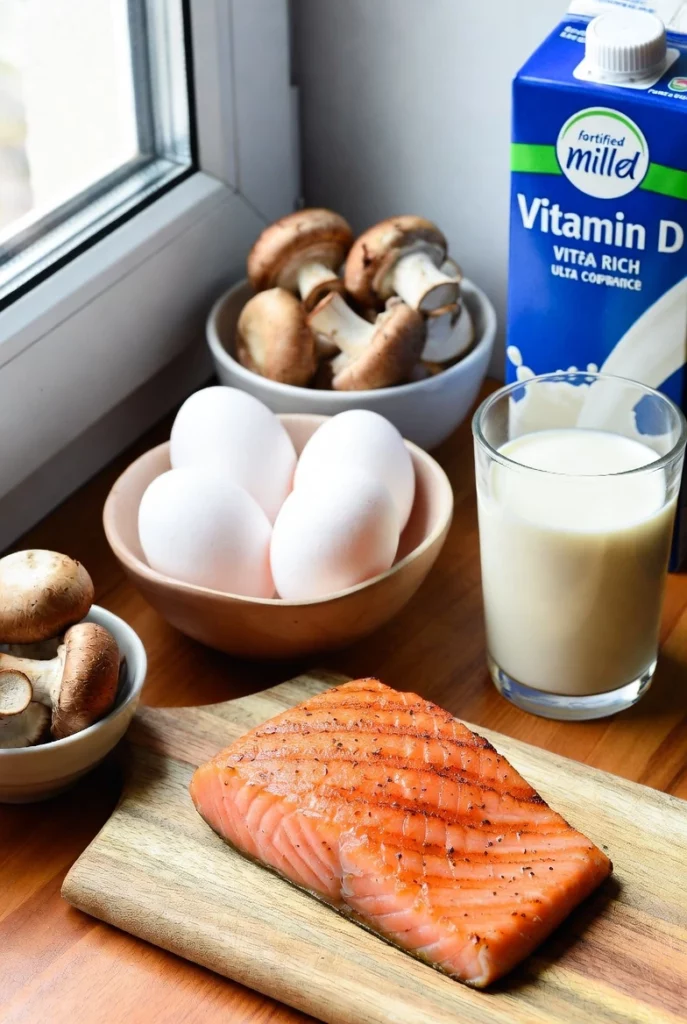
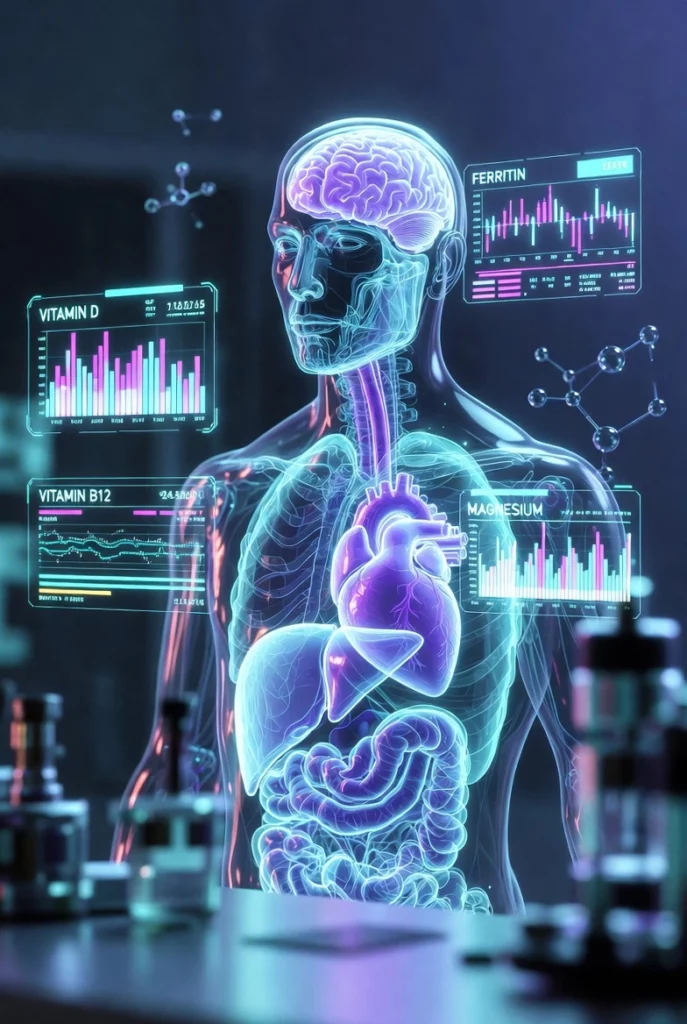
Сезонний дефіцит мікронутрієнтів: вплив вітаміну B12, D, феритину та магнію на організм людини

Seasonal micronutrient deficiency at the end of winter: clinical markers, risks, and correction

Seasonal Micronutrient Deficiency at the end of winter often manifests as fatigue, reduced immune protection, and decreased concentration. The most vulnerable are stores of vitamin D, iron, magnesium, B vitamins, and omega-3 fatty acids. Rational correction of such a deficiency requires laboratory assessment and an individualized approach to diet and supplements. Most Common Deficiencies During […]

Read More »

Жінка гуляє в парку після розталого снігу під час переходу від зими до весни

Seasonal adaptation of the body: transition from winter to spring and health support tips

Seasonal adaptation of the body is a period when the body gradually exits energy-saving mode but is not yet ready for springtime activity. At the seasonal boundary, many people experience fluctuations in well-being: mood swings, fatigue, decreased concentration, or increased sensitivity to stress. In most cases, this is related to natural adaptive processes rather than […]

Read More »

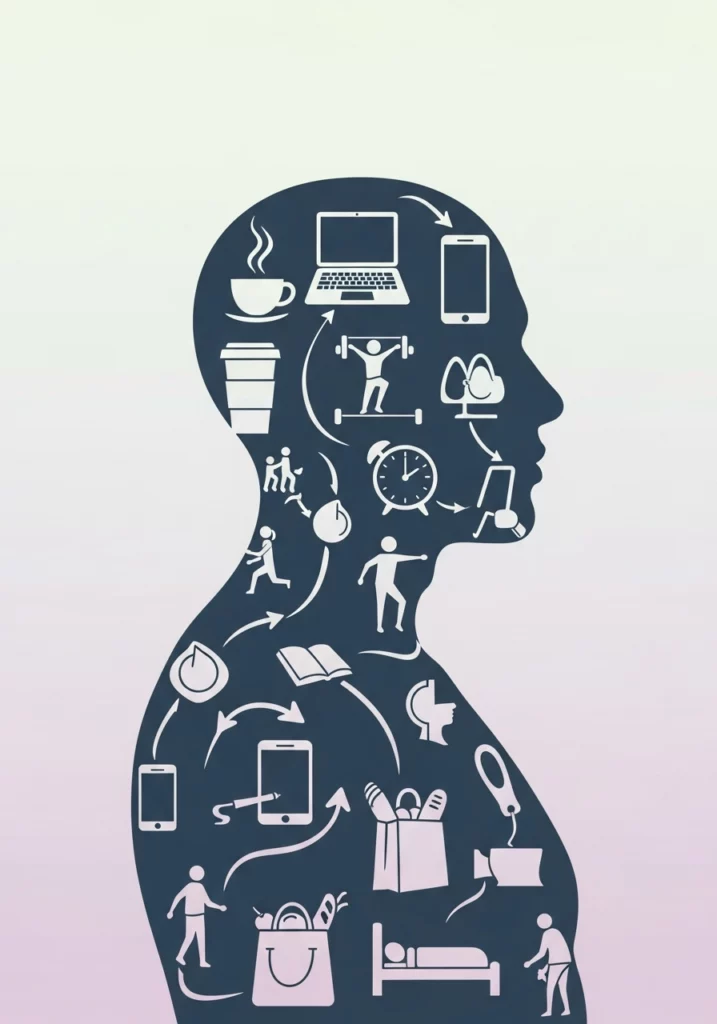
Людина на тлі символів повсякденних звичок, що формують хронічний біль

Daily Habits and Chronic Pain: How Symptoms Develop

Short Summary Everyday habits are rarely perceived as risk factors. They seem too minor to matter: an uncomfortable posture, skipping meals, lack of movement, constant tension. However, these very factors have a cumulative effect and over time can contribute to chronic pain — discomfort, fatigue, sleep disturbances, and reduced work capacity. Symptoms do not appear […]

Read More »

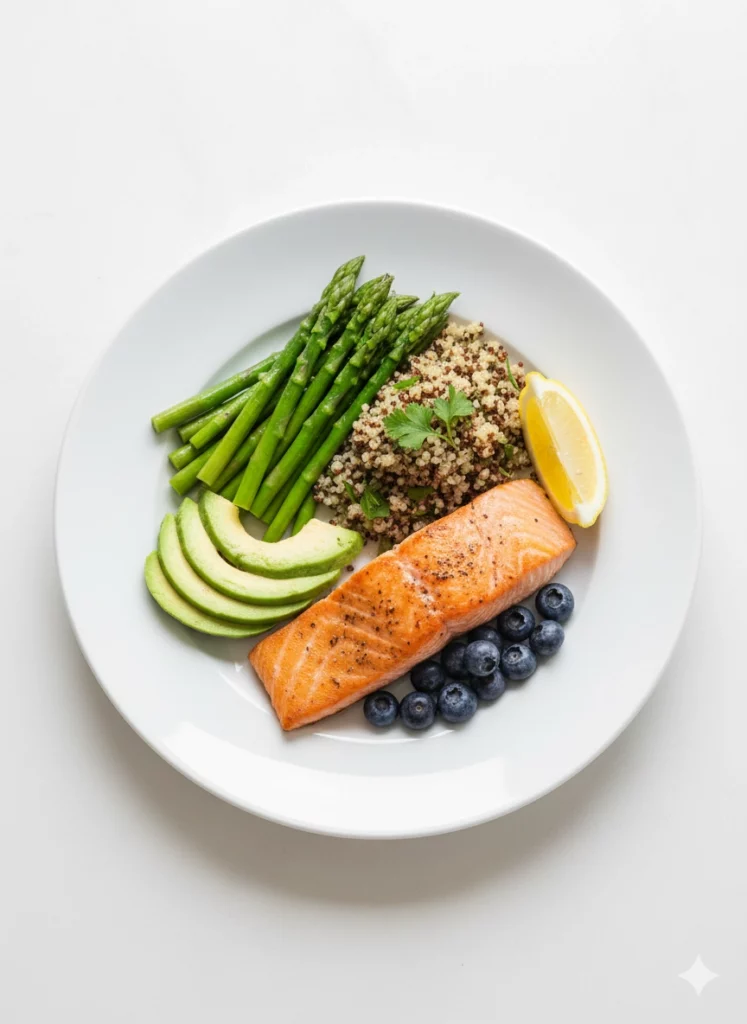
Корисні продукти харчування для здоров’я та детоксикації печінки

Liver health and detoxification: are supportive nutraceuticals needed, or is diet and lifestyle enough?

The liver is the body’s main “filter,” but it also has clear physiological limits. Against the background of stress, urbanization, and diets high in sugar and ultra-processed foods, interest in “detox programs” and hepatoprotectors is growing. This article examines how liver detoxification actually works, the role of diet and lifestyle, and where nutraceuticals may have […]

Read More »

Будова шкіри та її мікробіом взимку і влітку

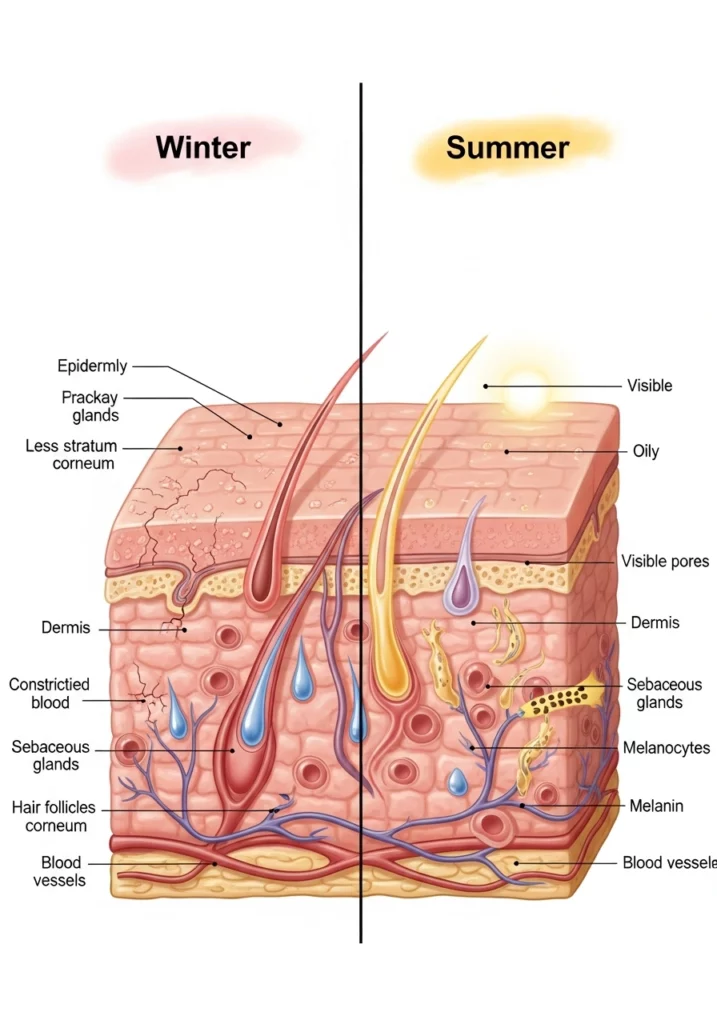
The impact of seasonal changes on the skin microbiome: how to prepare the body for winter and summer

The skin microbiome consists of thousands of microorganisms that live on our skin and help protect against pathogens, regulate inflammation, and even influence barrier functions. Temperature, humidity, and sunlight change with the seasons—and the microbiome changes as well. In this article, we explore how different seasons affect the skin microflora and what role skincare and […]

Read More »

Жінка відпочиває на дивані з чашкою чаю

The nervous system after the holidays: how to restore balance without medication burden

The post-holiday period is often accompanied not only by physical fatigue but also by emotional exhaustion, irritability, sleep disturbances, and reduced concentration. For many patients, this becomes a reason to seek “calming” remedies, although in most cases it involves functional overload of the nervous system rather than clinical disorders. A rational approach focuses on supporting […]

Read More »

Лікар консультує пацієнта

Immunity after the holidays: why January is the most vulnerable month of the year

January is traditionally associated with an increase in the frequency of acute respiratory infections, exacerbation of chronic diseases, and a general feeling of fatigue. Contrary to common belief, the cause of this phenomenon is not only seasonal viruses but also a combination of factors that arise during and after the holiday period. Overeating, sleep disturbances, […]

Read More »

Накритий стіл із стравою

Post-Holiday Metabolic Imbalance: How the Body Responds to Excessive Stress and How to Support It

New Year’s holidays are traditionally accompanied by changes in eating habits, sleep patterns, and physical activity. Excessive consumption of fatty and protein-rich foods, alcohol, along with reduced physical activity, creates temporary metabolic overload, which triggers metabolic imbalance and manifests as decreased energy levels, heaviness after meals, digestive symptoms, and impaired concentration. In most cases, this […]

Read More »

Scroll to Top