


In spring, the body does not switch into “renewal mode” in a single day. It adapts to longer daylight hours, a different sleep schedule, and changes in the production of melatonin, cortisol, and other hormones. That is why in March and April people often complain of sleepiness, fatigue, distraction, or mood swings — these are typical changes in the body in spring. This is not always a disease. Often, it is normal seasonal adaptation that can be easier to go through if you support the body with sleep, movement, daylight, and basic balance in nutrition.

Key changes in the body in spring
After winter, the body primarily responds to light. Day length is one of the main signals for the internal clock. As mornings and evenings become brighter, circadian rhythms shift, along with timing of sleepiness, alertness, appetite, and concentration. Studies show that people experience seasonal changes in melatonin timing, temperature rhythms, and sleep — even in a world with electricity, screens, and coffee everywhere.
Impact of longer daylight hours
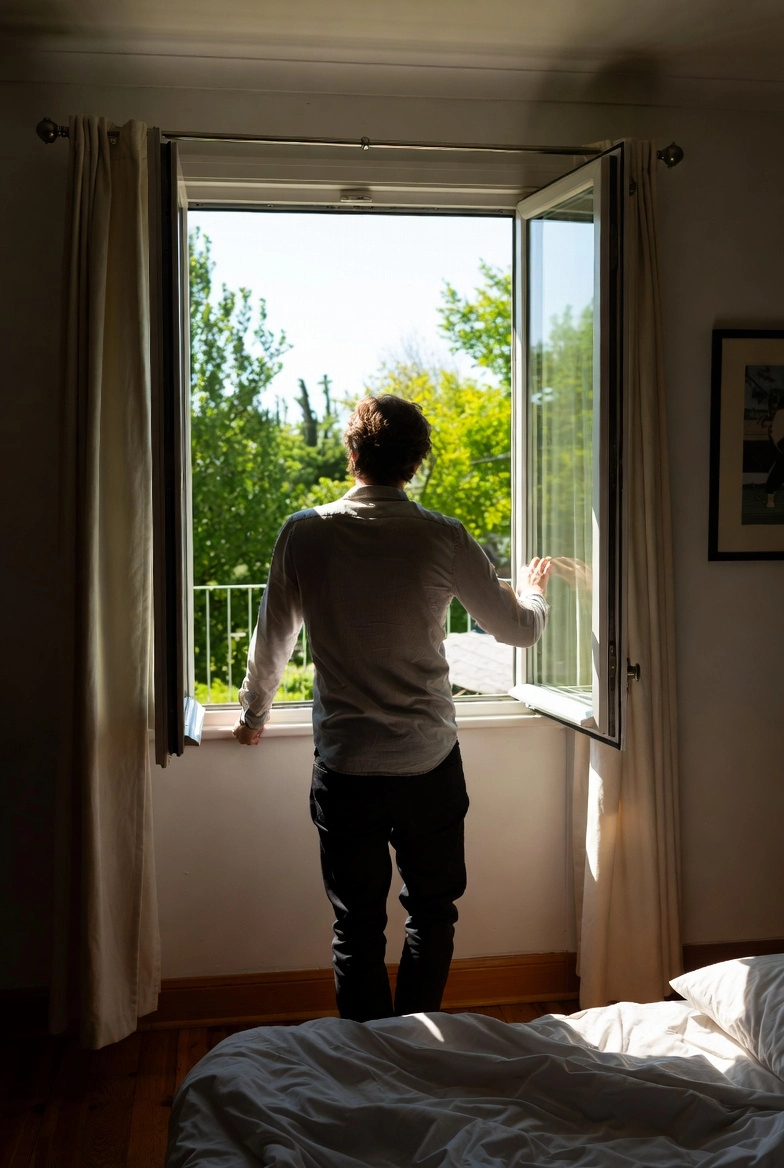
As daylight increases, the brain receives a stronger signal that “the day has started.” This helps shift the sleep–wake cycle, and melatonin production gradually adjusts to the new photoperiod. Because of this, some people wake up more easily in spring, while others feel tired for several weeks because their internal rhythm has not yet caught up with the new season.
Light affects more than just sleep. According to NIMH, changes in sunlight exposure are also linked to mechanisms that support normal serotonin levels — which means this is not only about alertness, but also about mood.
Hormonal changes
Saying that “hormones fluctuate the same way for everyone in spring” would be an exaggeration. However, seasonal variations are well described. Large analyses of medical data and reviews show that people may experience seasonal shifts in cortisol, thyroid hormones, and other endocrine markers. This does not mean everyone needs lab tests in spring. It means something else: the body does not exist in a biological vacuum, and seasons do matter.
A separate topic is vitamin D. After winter, vitamin D levels may be lower in many people, especially with limited sun exposure, fewer outdoor activities, or existing risk factors. Official sources note that in the Northern Hemisphere, vitamin D synthesis from sunlight is often insufficient in winter, and lower levels are more commonly observed at the end of winter and in early spring.
| What changes in spring | Why it happens | How it may feel |
|---|---|---|
| Circadian rhythms | Daylight increases, changing the light signal to the brain | Easier or harder waking, shifts in sleepiness timing |
| Melatonin | Adjusts to the new light–dark cycle | Daytime sleepiness or difficulty falling asleep at the usual time |
| Cortisol and other hormonal axes | Seasonal adaptation of the endocrine system | Unstable energy, feeling “unfocused” |
| Mood and concentration | Light affects the biological clock and neurotransmitter systems | Irritability, distraction, sluggishness |
| Vitamin D levels after winter | Winter UVB exposure is often insufficient | Fatigue, muscle weakness in some people, but not always |
Table 1. Typical spring changes in the body and their perceived effects.
Symptoms of seasonal adaptation
Spring adaptation rarely looks dramatic. Usually, it is a set of small but annoying sensations. Everything seems fine, but energy feels off, sleep is irregular, and the brain seems to “boot up” slower than expected.

Sleepiness and increased fatigue
Yes, you can feel tired in spring. And no, it is not necessarily “spring avitaminosis,” despite how often it is mentioned. The cause is often simpler: the internal clock is adjusting, winter routines were disrupted, daylight has increased, while sleep remains inconsistent. Data on seasonal sleep patterns show that sleep characteristics can indeed vary depending on the time of year. In addition, the transition to daylight saving time in some countries can also increase sleepiness and reduce sleep quality for a few days.
If fatigue is accompanied by muscle weakness, bone pain, prolonged exhaustion, or other concerning symptoms, this is no longer just “spring.” In such cases, medical evaluation is needed. Signs of vitamin D deficiency or other conditions should be assessed separately.
Changes in mood and concentration
Light and circadian rhythms influence mood more than it may seem. When seasons change, some people temporarily experience reduced concentration, increased irritability, or emotional fatigue. For most, these are mild adaptation effects, but if low mood persists, interferes with work, study, or daily life, it may not be just seasonal adjustment. NIMH notes that seasonal changes in light exposure may be associated with mood disorders in sensitive individuals.
How to support the body during adaptation
No magic here. In spring, the body benefits most not from “detoxes,” handfuls of questionable supplements, or promises to start a new life on Monday. The most effective things are basic habits that somehow always seem too simple.
Sleep and nutrition routine
A consistent sleep and wake schedule truly matters. Official sleep hygiene guidelines recommend maintaining a stable routine, reducing screen exposure in the evening, and avoiding excessive daytime naps. This is not a boring formality — it is a practical way to synchronize your internal clock with the new daylight pattern.
Spring nutrition does not require extremes. After winter, the body benefits more from returning to regular eating: enough protein, vegetables, water, fewer random snacks, and avoiding very late heavy dinners. If there is a suspicion of vitamin D deficiency or another deficiency, it is better not to self-prescribe everything at once but to rely on medical advice and evidence-based sources.
Light physical activity and time outdoors
This part is straightforward: movement helps you sleep better, feel more energized, and stabilizes mood. The CDC notes that physical activity improves sleep and well-being, while the Mayo Clinic recommends spending time outdoors daily, as daylight also supports sleep. There is no need to run a half marathon right away. Walking, light exercise, cycling, or even a simple прогулка already make a difference.
| What to do in spring | Why it matters | Realistic option |
|---|---|---|
| Go to bed and wake up at roughly the same time | Helps regulate circadian rhythm | Weekend difference no more than 1 hour |
| Get daylight in the morning or during the day | Strengthens signals for the internal clock | 20–40 minutes of walking |
| Add moderate activity | Improves sleep, mood, and energy levels | Walking, light exercise, cycling |
| Reduce screen time before bed | Blue light suppresses melatonin | Put your phone away at least 1 hour before sleep |
| Don’t turn spring into a “self-improvement marathon” | Drastic changes can be exhausting | Introduce 1–2 habits gradually |
Table 2. What actually helps the body during spring adaptation.
Questions and answers
Is it true that everyone feels worse in spring?
No. Many people actually feel better in spring. However, some go through a few weeks of adjusting sleep, energy, and mood — and this is normal.
Is “spring avitaminosis” a real diagnosis?
It is commonly used in everyday language, but in medicine it is more accurate to talk about specific deficiencies or conditions. For example, some people may have low vitamin D levels after winter, but spring fatigue is not caused by that alone.
When is spring fatigue no longer normal adaptation?
When it lasts too long, worsens, or is accompanied by shortness of breath, significant weakness, weight loss, pain, depressive symptoms, fainting, or other alarming signs. In such cases, medical evaluation is necessary.
Do walks help if it’s “just seasonal fatigue”?
Yes, they often do. Daylight and moderate activity support sleep, mood, and overall well-being. This is exactly the case where a simple solution does not mean an ineffective one.
Conclusions
Spring is not only about flowers, allergies, and the urge to throw away half your wardrobe. For the body, it is also a period of subtle adjustment. Longer daylight hours, shifts in circadian rhythms, seasonal fluctuations in hormonal signals, and the aftereffects of winter lifestyle shape changes in the body in spring, which may temporarily cause sleepiness, fatigue, reduced concentration, or unstable mood. In most cases, this passes more smoothly with proper sleep, daylight exposure, moderate movement, and balanced nutrition without extremes. However, if symptoms are severe or prolonged, it is better not to attribute everything to the season and seek medical evaluation.
References
- Zolfaghari S, Yazdi Z, et al. Effects of Season and Daylight Saving Time Shifts on Sleep and Mood. 2023. PMC.
- Tendler A, et al. Hormone seasonality in medical records suggests circannual endocrine circuits. 2021. PMC.
- Adamsson M, et al. Annual variation in daily light exposure and circadian change of melatonin and cortisol in healthy office workers. 2016. PMC.
- Skeldon AC, et al. Weekly and seasonal variation in the circadian melatonin rhythm in humans. 2021. Journal of Pineal Research.
- Seidler A, et al. Seasonality of human sleep: Polysomnographic data. 2023. Frontiers in Neuroscience.
- National Institute of Mental Health. Seasonal Affective Disorder.
- NHS. How to fall asleep faster and sleep better.
- NHS. Vitamin D.
- CDC. Benefits of Physical Activity; Health Benefits of Physical Activity for Adults.
- Mayo Clinic. Sleep tips: 6 steps to better sleep.
About the Author