
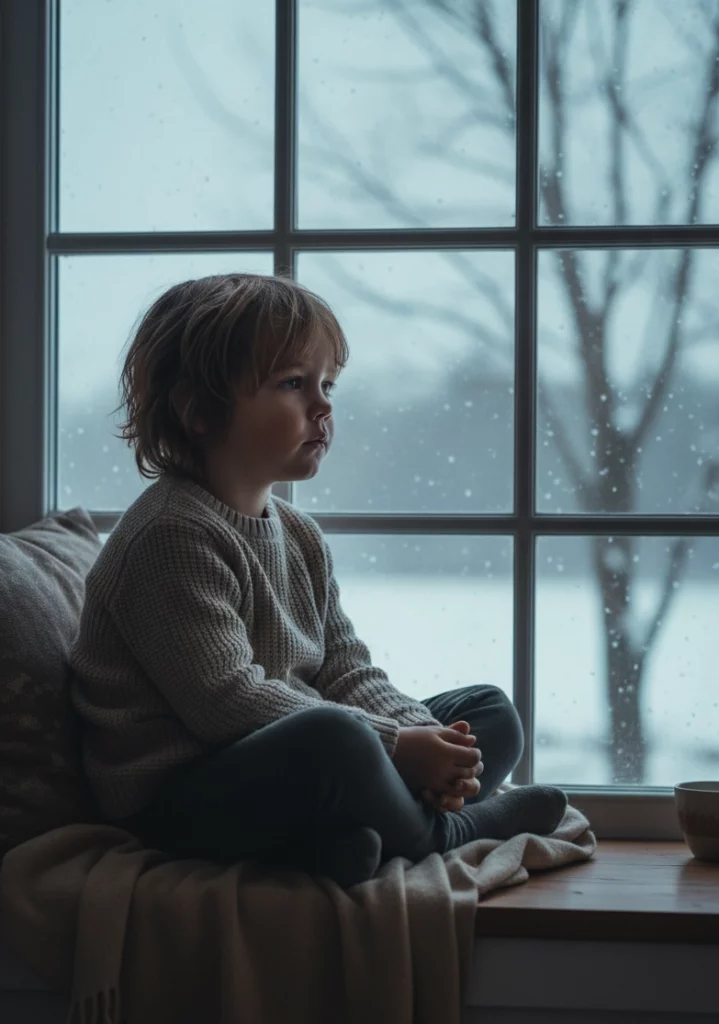
Many parents notice that at the end of winter, a child gets tired quickly, becomes irritable, and loses interest in learning and activities. The most common causes are a lack of sunlight, decreased physical activity, and the gradual depletion of the body’s adaptive resources.
If a child gets tired quickly for several weeks, it is important to adjust their daily routine, diet, and emotional load in a timely manner. This will help prevent deep exhaustion and support a stable psycho-emotional state.

Why a child gets tired quickly at the end of winter
Lack of movement and sunlight
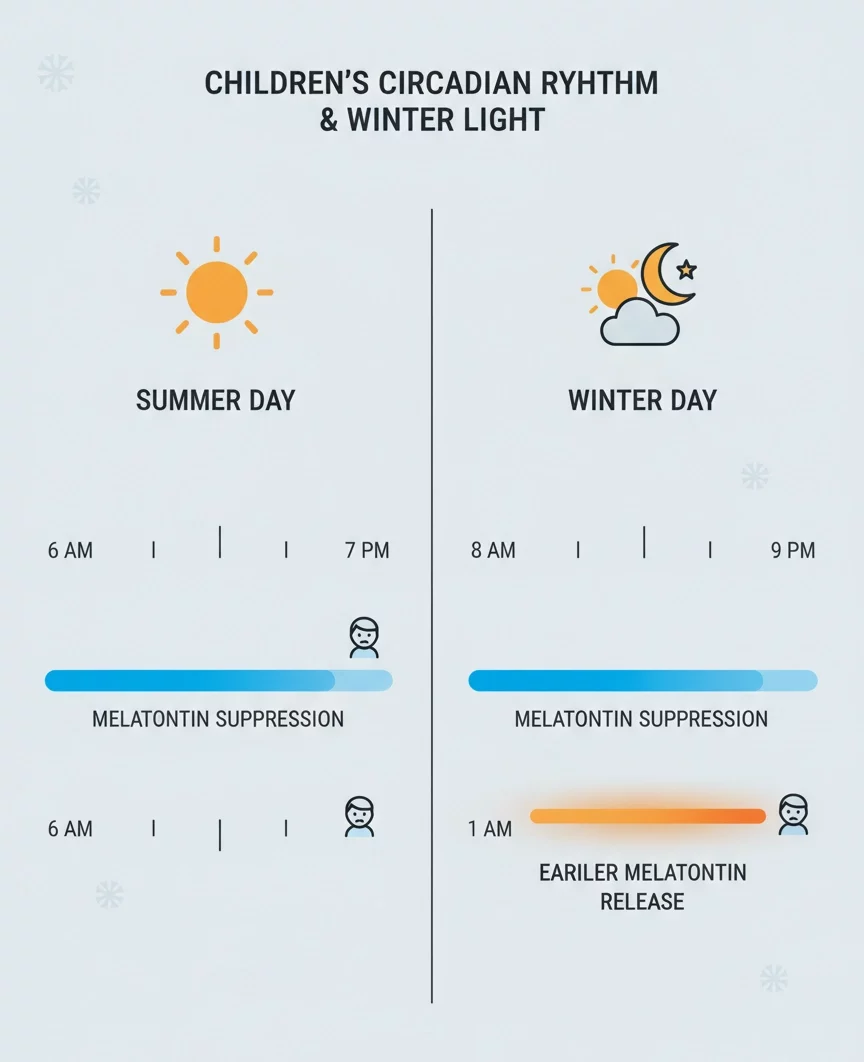
A child’s body is particularly dependent on external environmental factors. Short daylight hours reduce the synthesis of vitamin D and affect the regulation of serotonin and melatonin — hormones responsible for energy and sleep.
A decrease in physical activity:
- lowers overall energy tone
- deteriorates sleep quality
- affects concentration and learning
As a result, physiological and emotional exhaustion accumulates, and the child gets tired quickly even after familiar tasks.
Signs that a child gets tired quickly
| Sign | Possible cause | What to watch for |
|---|---|---|
| Irritability | Disruption of neurotransmitter balance | Frequent conflicts, emotional outbursts |
| Quick fatigue | Decrease in energy resource | Refusal of activities |
| Poor concentration | Lack of light and movement | Difficulty with learning |
| Sleep disturbances | Circadian rhythm disruption | Difficulty falling asleep |
Such changes usually build up gradually. If the daily routine is irregular, symptoms may worsen.
What to do if a child gets tired quickly
Daily routine, activity, and communication
Regularity is the foundation of nervous system stability.
Important:
- maintain a consistent sleep schedule
- provide at least 60 minutes of active movement daily
- support face-to-face communication without gadgets
- increase exposure to daylight
Practical ways to provide support
| Measure | Why it works | Practical tip |
|---|---|---|
| Morning walks | Melatonin normalization | Even 20 minutes daily |
| Physical activity | Increasing serotonin levels | Dancing, sports, active games |
| Regular meals | Glucose level stabilization | 3 main meals a day |
| Family rituals | Building a sense of security | Shared dinner, conversations |
A balance between activity and rest is more important than excessive stimulation.
Questions and Answers
Is it normal for a child to get tired quickly in winter?
Yes, it can be a physiological reaction to seasonal changes. However, if fatigue persists for a long time or is accompanied by other symptoms, it is worth consulting a pediatrician.
Why does a child get tired quickly and become irritable?
The cause could be a lack of light, sleep disturbances, lack of movement, or emotional overload.
When is a specialist consultation needed?
If persistent apathy, sleep disturbances, a sharp decline in school performance, or significant anxiety appear.
Conclusions
If a child gets tired quickly at the end of winter, it is not a whim but a natural reaction of the body to seasonal changes. Timely support for the routine, nutrition, and physical activity helps restore energy and emotional balance.
Literature
- American Academy of Pediatrics. Seasonal behavior changes in children.
- WHO. Physical activity and mental health in children.
- Holick M.F. Vitamin D and neuropsychological function.
About the Author