

Short Summary
Everyday habits are rarely perceived as risk factors. They seem too minor to matter: an uncomfortable posture, skipping meals, lack of movement, constant tension. However, these very factors have a cumulative effect and over time can contribute to chronic pain — discomfort, fatigue, sleep disturbances, and reduced work capacity.
Symptoms do not appear immediately, which makes it difficult to link cause and effect.

How Everyday Habits Shape Chronic Pain and Discomfort
The body has a significant margin of resilience. It is capable of adapting to less-than-ideal conditions — irregular routines, prolonged sitting, and inconsistent eating.
This very adaptation creates the illusion that small habits “do no harm.”
Problems arise when the load becomes constant while recovery remains insufficient.
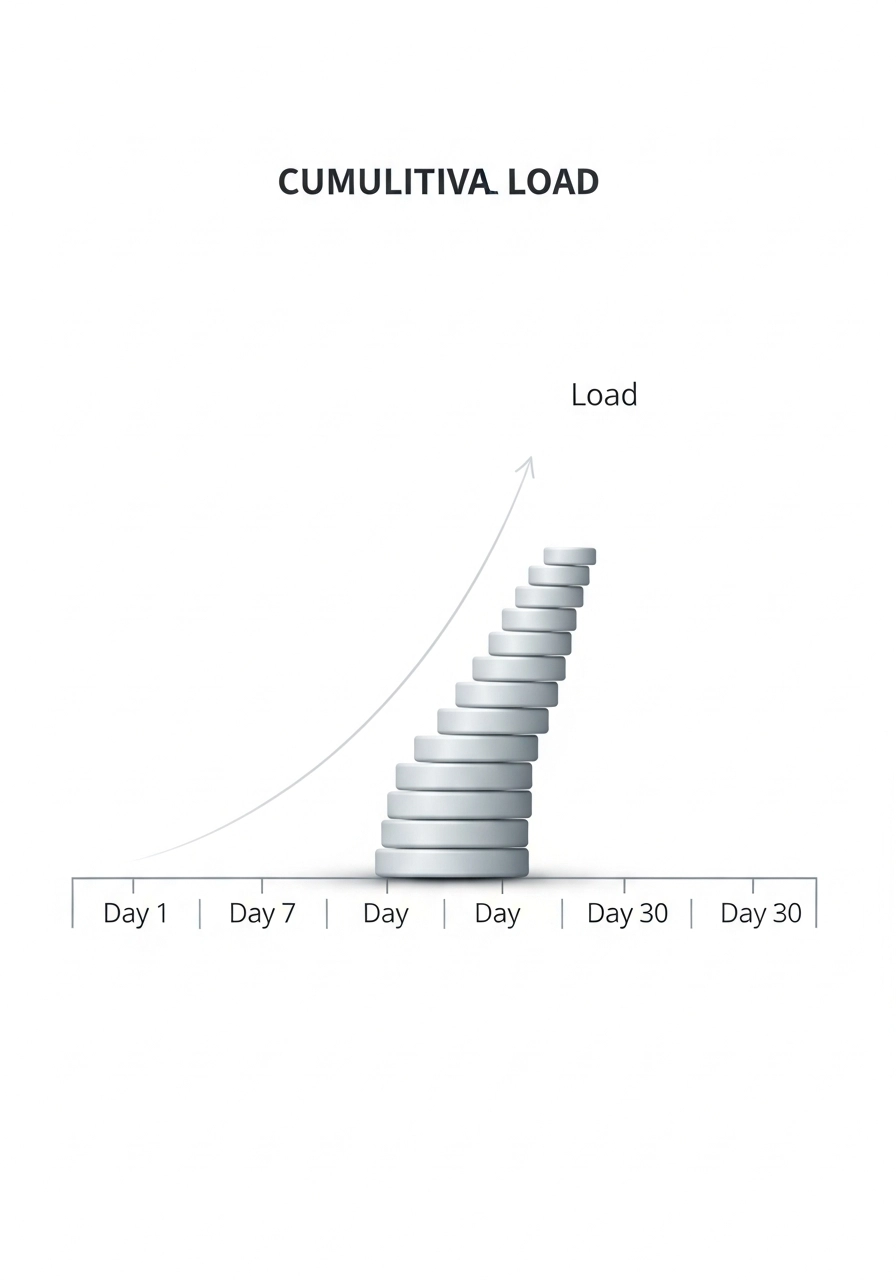
The Cumulative Effect: Why Small Habits Have a Big Impact
Why the Body Remains “Silent” for a Long Time
At the initial stages, the body compensates for overload by:
-
redistributing muscle tension;
-
altering movement patterns;
-
adapting neural regulation.
Symptoms appear only when compensatory mechanisms are exhausted.
The Role of Adaptation: Why the Absence of Symptoms Is Not a Sign of Health
Adaptation is not a sign of health but a temporary mechanism. It allows functioning, often at the cost of:
-
increased muscle tone;
-
postural disorders;
-
reduced sensitivity to fatigue signals.
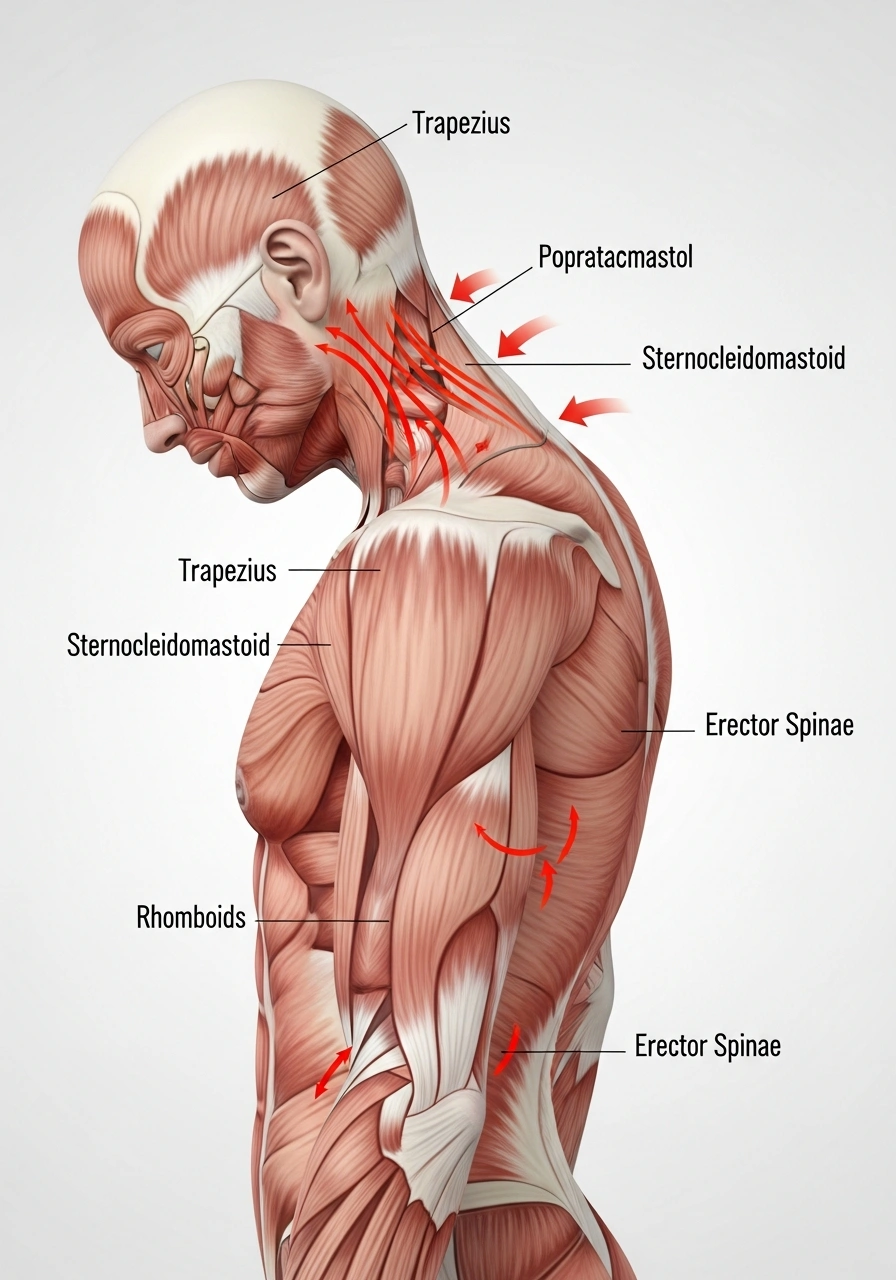
Posture, Movement, and Routine: Habits That Most Often Trigger Symptoms
Table 1. Everyday Habits and Their Delayed Impact
| Habit | Potential Outcome |
|---|---|
| Prolonged sitting | Pain in the back, neck, pelvis |
| Irregular movement | Muscle stiffness, weakness |
| Insufficient sleep | Impaired recovery |
| Constant tension | Chronic fatigue |
| Skipping meals | Fluctuations in energy and concentration |
These factors rarely cause symptoms on their own — they act in combination.
Everyday Loads the Body Compensates for Over Years
Not only work but also daily life creates background strain:
-
carrying bags;
-
repetitive movements;
-
lack of micro-breaks;
-
“habitual” uncomfortable postures.
The body gradually adapts, but this adaptation is not always safe.
Why Symptoms Do Not Appear Immediately
Table 2. Delayed Development of Symptoms
| Stage | What Happens |
|---|---|
| Adaptation | No symptoms |
| Compensation | Mild discomfort is ignored |
| Overload | Persistent pain appears |
| Chronicity | Symptoms become background |
Between the tables, it is important to note: the body rarely “breaks down” suddenly — it is gradually depleted.
Questions and Answers About the Impact of Everyday Habits on Health
Can small habits really affect health?
Yes. Their impact accumulates over time and often becomes noticeable only after years.
Why do symptoms not appear immediately?
Due to adaptive mechanisms that compensate for overload for a long time.
Is the cause always obvious?
No. Often the cause is hidden in a combination of several habits rather than a single factor.
Conclusions
Small habits create the background on which symptoms emerge. They rarely appear threatening, but their consistency makes the impact significant. Awareness of this allows for a shift in prevention — not through radical decisions, but through gradual adjustments.
References
-
World Health Organization. Sedentary behaviour and health.
-
European Journal of Preventive Cardiology: Lifestyle and chronic pain.
-
PubMed: Cumulative load and musculoskeletal disorders.
-
BMJ: Lifestyle factors and chronic fatigue.
-
NICE Guidelines: Prevention of chronic musculoskeletal conditions.
About the Author