

Magnesium has long been one of the most popular nutrients in the world. It is purchased for sleep, stress management, nervous system support, muscle function, and even for the prevention of cramps. The problem is that dozens of forms of magnesium can be found on pharmacy shelves, and marketing often makes the choice even more difficult.
Is glycinate truly better than citrate? Why is magnesium oxide still being sold despite frequent criticism? And which form should you choose based on your needs? Let’s break it down without myths and marketing promises.

Why Magnesium Has Become So Popular
Looking at pharmacy sales in recent years, magnesium consistently ranks among the most in-demand supplements.
The reason is simple. Magnesium participates in more than 300 enzymatic reactions in the body. It is essential for the functioning of the nervous system, muscles, heart, energy metabolism, and protein synthesis. Magnesium is the primary nutrient for stress.
At the same time, the modern lifestyle often does not contribute to sufficient magnesium intake.
Risk factors include:
- unbalanced diet;
- high consumption of ultra-processed foods;
- chronic stress;
- intense physical activity;
- excessive alcohol consumption;
- certain medications.
This is exactly why interest in magnesium supplements continues to grow.

Are All Forms of Magnesium the Same?
The short answer is no.
The element magnesium itself is always the same. The difference lies in the substance it is bound to.
This affects:
- absorption;
- tolerability;
- impact on digestion;
- areas of application.
This is why two packages of magnesium with the same number of milligrams can work differently.

Most Common Forms of Magnesium
Table 1. Primary forms of magnesium and their characteristics
| Form | Characteristics |
|---|---|
| Magnesium Citrate | Well-absorbed, often used for magnesium deficiency |
| Magnesium Glycinate | Combination of magnesium with the amino acid glycine |
| Magnesium Oxide | High elemental magnesium content, but lower absorption |
| Magnesium Lactate | Good tolerability |
| Magnesium Malate | Popular among physically active people |
| Magnesium Taurate | Contains the amino acid taurine |
| Magnesium L-Threonate | A relatively new form being actively studied |
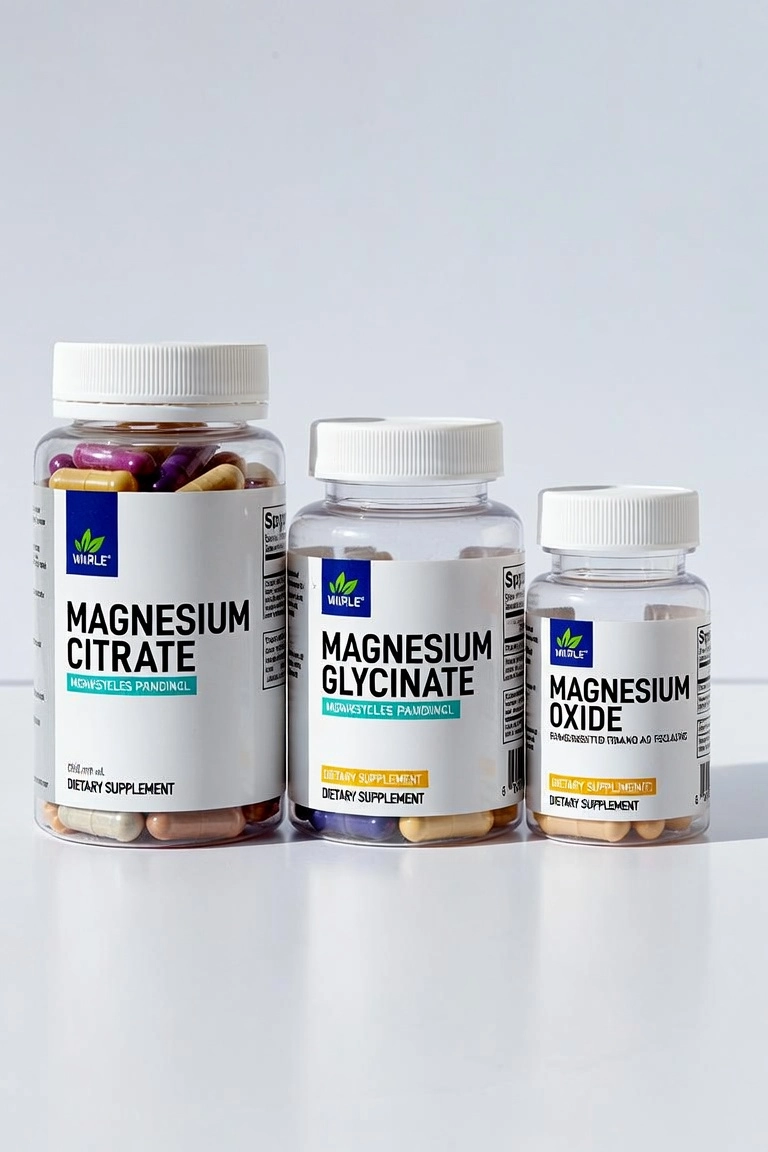
Magnesium Citrate: The Universal Option
If you ask a pharmacist to name the most popular form of magnesium, citrate will almost always be on the list of leaders.
Its advantages:
- good bioavailability;
- affordable price;
- wide selection of products;
- extensive experience in use.
Citrate is often recommended to people who are starting magnesium for the first time.
There is a nuance: in some individuals, large doses can have a laxative effect.
Magnesium Glycinate: Favorite for Evening Intake
In recent years, the popularity of glycinate has grown rapidly.
The reason is simple. It contains the amino acid glycine, which is involved in the functioning of the nervous system.
Because of this, glycinate is often chosen by people looking for magnesium for:
- evening intake;
- increased nervous tension;
- difficulty falling asleep;
- periods of intense stress.
At the same time, it should be remembered that magnesium is not a sedative drug.
Magnesium Oxide: Why It Is Still Used
There is considerable debate surrounding magnesium oxide.
One often encounters the claim that this form is not absorbed at all. This is an exaggeration.
Yes, the bioavailability of oxide is lower compared to citrate or glycinate. However, it contains a high amount of elemental magnesium and continues to be used in many preparations.
The main drawback is a higher likelihood of affecting bowel function.
What Is Magnesium Malate?
Malate is a compound of magnesium and malic acid.
It can often be seen in sports supplements or complexes for people with an active lifestyle.
Marketing often refers to malate as the “energy” form of magnesium.
To date, there is insufficient evidence that it fundamentally outperforms other forms in its impact on energy. However, the form has good tolerability and is popular among athletes.
Magnesium L-Threonate: New Favorite or Just Hype?
One of the most discussed forms in recent years is Magnesium L-Threonate.
Interest in it is linked to studies evaluating the impact of this form on cognitive functions.
So far, there is insufficient data to speak of a revolution in nutrition. However, the interest of the scientific community in L-Threonate is indeed high.
By the way, this form officially entered the updated list of permitted substances for dietary supplements in Ukraine in 2026.
How to Choose the Form of Magnesium
Table 2. Practical magnesium choice based on situation
| Situation | Most Common Choice |
|---|---|
| First-time use | Citrate |
| Increased stress | Glycinate |
| Active training | Malate or Citrate |
| Sensitive gastrointestinal tract | Glycinate |
| Desire to try modern forms | L-Threonate |
| Limited budget | Oxide or Citrate |
What to Look for on the Packaging
Many buyers make one common mistake.
They only look at the number next to the word “magnesium”.
For example:
- magnesium citrate 1000 mg;
- magnesium citrate 1500 mg.
But what matters is the amount of elemental magnesium.
This shows how much magnesium the body actually receives.
Therefore, you should always look in the instructions or on the packaging for the phrase:
“Magnesium (Elemental)”
Can Magnesium Supplements Cause Side Effects?
Yes, sometimes they can.
The most common ones are:
- abdominal discomfort;
- bloating;
- loose stools;
- nausea.
Usually, such reactions depend on the dose and the specific form of magnesium.
Common Myths About Magnesium
Table 3. Myths and real facts about magnesium
| Myth | Reality (Fact) |
|---|---|
| Magnesium is needed by everyone without exception | The need depends on diet, lifestyle, and the individual state of the body. |
| The most expensive form is always the best | For many tasks, common (and affordable) citrate works no worse than expensive chelated forms. |
| Magnesium oxide is completely useless | It has lower bioavailability but contains a high amount of elemental magnesium and is a functional budget option. |
| Magnesium is a sleeping pill | Magnesium helps the nervous system relax, but it is not a medicinal product for treating insomnia. |
Questions and Answers
Which form of magnesium is best absorbed?
Among popular forms, citrate and glycinate demonstrate good bioavailability.
Can I take magnesium every day?
Within recommended doses, it is often used specifically for daily intake.
Which form of magnesium most often causes loose stools?
This is more frequently associated with magnesium citrate and oxide.
Does it make sense to pay more for L-Threonate?
For now, the answer depends on expectations. Scientific interest in the form is high, but data for definitive conclusions are still insufficient.
Citrate or Glycinate?
For most people, both forms can be a good choice. It all depends on individual needs and tolerability.
Conclusions
Magnesium remains one of the most popular nutrients in the world, but there is no universal form that would suit absolutely everyone.
Citrate can be called the most universal option. Glycinate is often chosen by people looking for a gentle form for daily use. Malate is popular among physically active people. L-Threonate attracts attention with new research. Oxide remains an affordable budget option.
The best strategy is not to look for “magic magnesium,” but to choose a form according to your own needs.
References
- Gröber U, Schmidt J, Kisters K. Magnesium in Prevention and Therapy. Nutrients. 2015.
- Schuette SA et al. Bioavailability of magnesium diglycinate vs magnesium oxide. Journal of Parenteral and Enteral Nutrition. 1994.
- Barbagallo M, Dominguez LJ. Magnesium and Aging. Current Pharmaceutical Design. 2010.
- Rosanoff A et al. Suboptimal Magnesium Status in the United States. Nutr Rev. 2012.
- EFSA Panel on Nutrition. Dietary Reference Values for magnesium. EFSA Journal.
- Order of the Ministry of Health of Ukraine No. 203 dated February 19, 2026.
About the Author