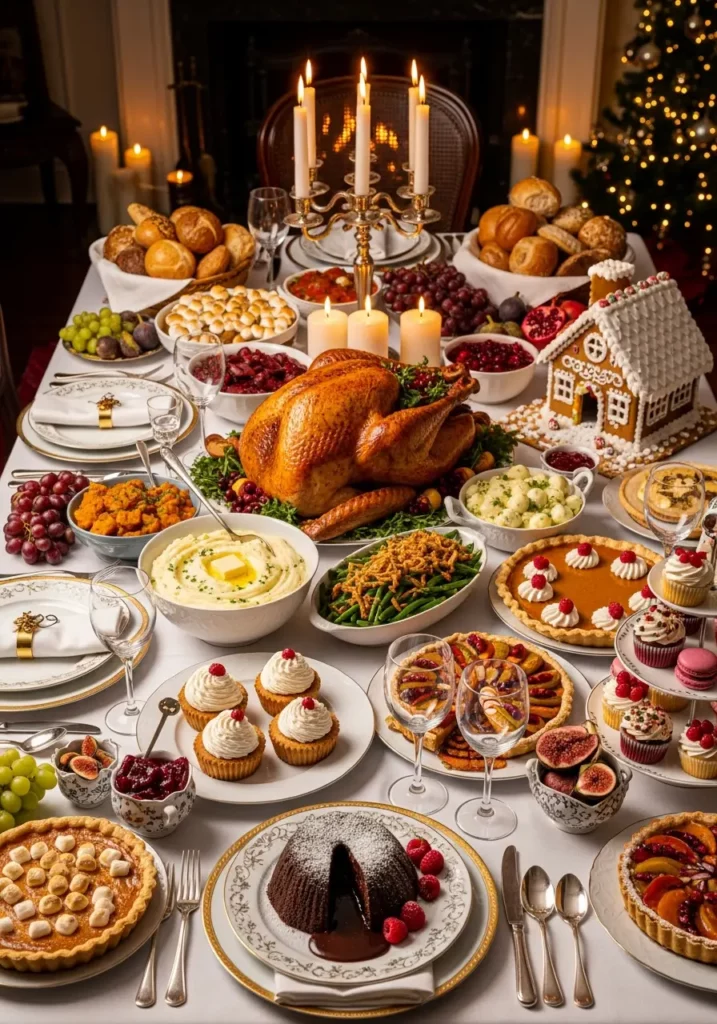
Holiday feasts are a challenge for the digestive system. Late meals, large portions, and high amounts of fatty, sweet foods and alcohol can trigger gastrointestinal problems: heartburn, bloating, nausea, exacerbation of gastritis, pancreatitis, and gallstone disease.
This article examines common mistakes in holiday eating, possible consequences for the gastrointestinal tract, the role of enzymes, sorbents, and probiotics, and provides practical prevention tips—before the patient “ends up on an IV drip.” The article “Digestive enzymes in the Cold Season: How to Help Your Stomach Digest Heavy Foods” may also be relevant.
Common Mistakes in Holiday Eating
-
Overeating: large portions, multiple consecutive dishes, ignoring the feeling of “stop.”
-
Late Dinners: heavy meals before bedtime—extra load on the gastrointestinal tract and a risk factor for reflux.
-
Excess Fatty and Fried Foods: overload of the pancreas and bile secretion system.
-
Combination of Alcohol and Heavy Food: increased irritation of the mucosa, risk of pancreatitis.
-
Questionable Foods and Storage Conditions: overnight salads, mayonnaise, raw meat/fish—risk of food poisoning.
Table Title: Common Holiday Eating Mistakes and Their Potential Consequences
| Mistake | Potential Consequences |
|---|---|
| Overeating | feeling of fullness, nausea, vomiting |
| Late Dinners | heartburn, nighttime reflux, sleep disturbances |
| Fatty, Fried, Spicy Foods | exacerbation of gastritis, pancreatitis, cholecystitis |
| High Alcohol Intake | gastritis, pancreatitis exacerbation, intoxication |
| Questionable Foods/Storage | food poisoning, diarrhea, vomiting |

Gastro Consequences: From Heartburn to Exacerbation of Chronic Diseases
-
Dyspepsia and Heartburn
Overeating, fatty and spicy foods, and alcohol stimulate increased acid production and relaxation of the lower esophageal sphincter—leading to heartburn, belching, and a sensation of a “lump” behind the sternum. -
Exacerbation of Chronic Gastritis and Ulcer Disease
Alcohol, excess spices, and NSAIDs “from a hangover” are triggers for erosions and ulcers. -
Biliary Colic and Pancreatitis
A sudden switch from a usual diet to a “heavy feast” with a lot of fat and alcohol is a classic situation for exacerbation of gallstone disease and acute pancreatitis. -
Diarrhea and Food Poisoning
Stale salads, dishes “left on the table for several hours,” undercooked meat or fish—risk of acute diarrhea, intoxication, sometimes hospitalization.
The Role of Enzymes, Sorbents, and Probiotics: Where Appropriate and Where Not
Enzymes
-
Indicated for digestive disorders due to enzyme deficiency (pancreatic insufficiency, some chronic gastrointestinal diseases).
-
In cases of occasional overeating in a healthy person, enzymes can temporarily relieve symptoms but do not correct the dietary mistake itself.
-
Enzyme preparations should not be perceived as a “license to overeat.”
Sorbents
-
Useful for acute diarrhea, suspected food poisoning, and some intestinal infections—as part of a comprehensive therapy.
-
They should not be used long-term “for detox” without medical indications.
Probiotics
-
Evidence supports their use in antibiotic-associated diarrhea, certain forms of acute diarrhea, and irritable bowel syndrome. PMC
-
As a “safety measure” during holiday eating, probiotics may be useful for patients with sensitive intestines but do not replace dietary caution.
Table Title: When It Is Appropriate to Recommend Enzymes, Sorbents, and Probiotics
| Group of Agents | Appropriate Use | When to Refrain |
|---|---|---|
| Enzymes | confirmed enzyme deficiency, occasional overeating in healthy individuals | “on a regular basis” instead of correcting the diet |
| Sorbents | acute diarrhea, suspected intoxication | “detox courses,” long-term daily use |
| Probiotics | during antibiotic therapy, certain forms of diarrhea | as the sole method for severe infections |
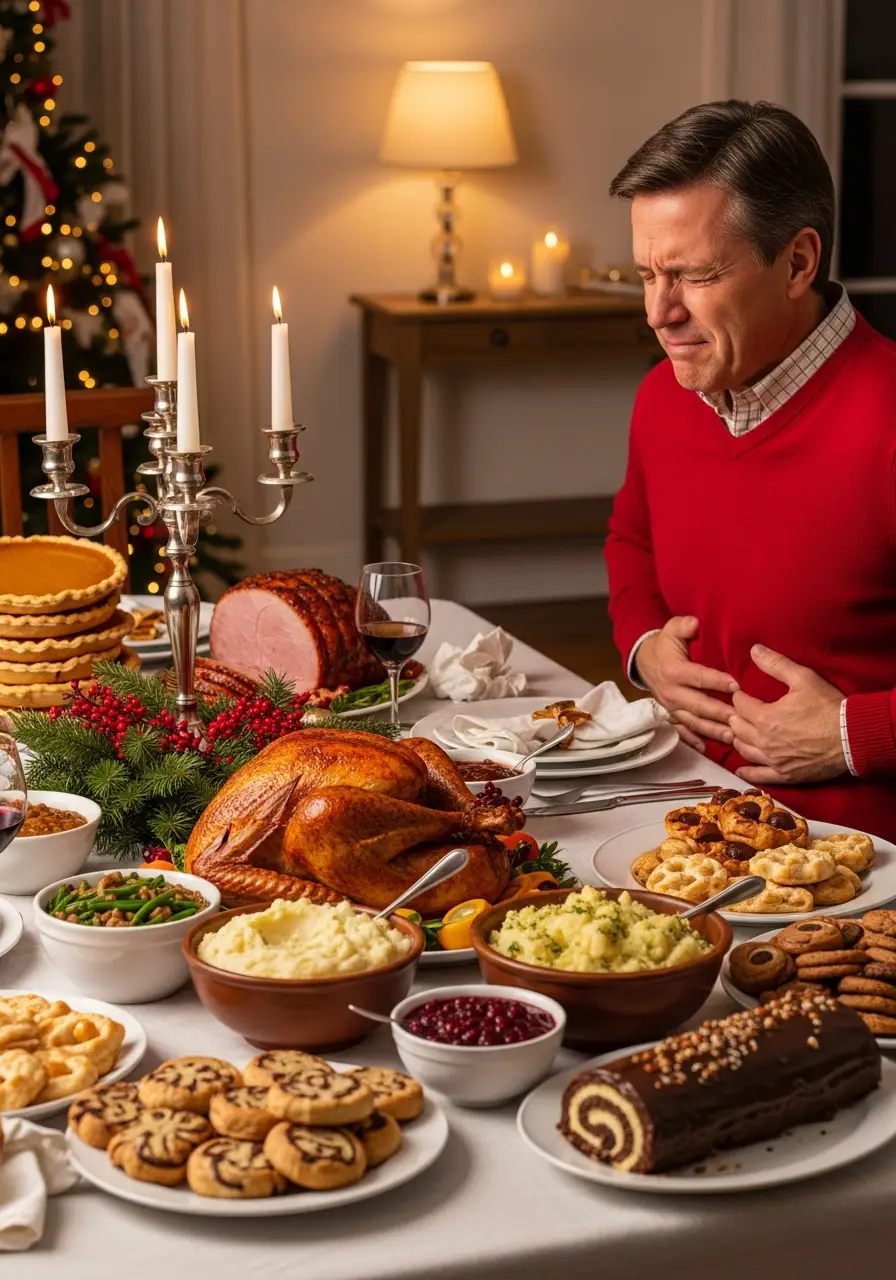
Prevention: How to “Survive” the Holidays Without a Hospital Visit
-
Plan the menu so that there are vegetables, lean proteins, baked dishes, not just mayonnaise and sausage.
-
Eat slowly, take pauses between dishes, and listen to your feeling of fullness.
-
Limit alcohol, alternate it with water.
-
Do not go to bed immediately after a heavy dinner.
-
Follow basic food hygiene: store dishes in the refrigerator, do not leave perishable foods on the table for hours.
Pharmacist Advice for Assembling a “Holiday Medicine Kit”
-
Do not assemble a “suitcase of drugs for every occasion,” but a balanced minimal kit:
– remedy for heartburn / antacid;
– enzyme preparation (if needed and no contraindications);
– sorbent;
– rehydration solution for diarrhea;
– check if the patient has prescribed medications for chronic conditions. -
Explain the importance of hydration and diet with any gastrointestinal symptoms.
-
In cases of severe pain, vomiting, fever, or blood in stool or vomit — insist on seeking medical attention.
Questions & Answers
Can I “eat in advance” and then take enzymes—will everything be fine?
No. Enzymes do not cancel out gastrointestinal overload; they only partially relieve symptoms.
How to tell if it is just overeating and not a dangerous condition?
Prolonged intense pain, repeated vomiting, high fever, blood in vomit or stool, severe weakness—signals to urgently seek medical care.
Is it worth taking sorbents “just in case” after the holiday?
Without specific intoxication symptoms, it is of questionable value. Better to limit food intake, drink water, and give the body time to recover.
Conclusions
-
Holiday gastrointestinal problems are easier to prevent than to treat in a hospital.
-
The role of medical professionals and pharmacists is not only to “put out the fire” but also to teach patients to plan their nutrition.
-
Enzymes, sorbents, and probiotics are useful tools, but they should not replace common sense and basic dietary caution.
References
-
Ford A.C. et al. Dyspepsia and functional gastrointestinal disorders. Lancet.
-
McKenzie Y.A. et al. British Dietetic Association guidelines on the management of irritable bowel syndrome.
-
Guarner F., Malagelada J.R. Gut flora in health and disease. Lancet.
(Based on generalized data from clinical guidelines and reviews regarding the role of probiotics, enzymes, and sorbents.) PMC
About the Author