Medicines do not always “spoil” in an obvious way — sometimes they may look normal but have already lost their properties. How can you tell if medicines have gone bad and whether they can still be used? We explain the main signs to look out for.
How to quickly check if medicines have gone bad
If you have doubts about a medicine, you can start with a basic check:
- check the expiration date
- inspect the packaging (for damage or moisture)
- assess the appearance of the medicine (color, smell, texture)
- recall storage conditions (temperature, light, humidity)
If at least one of these points raises concerns, it is better not to use the medicine without further verification.
Why medicines may lose their properties
Impact of temperature and light
Heat, light, and moisture can affect the stability of a medicine. That is why storage conditions specified by the manufacturer are important. If medicines were stored in a car, bathroom, or near a window, the risk is higher than with proper dry storage.
Improper storage conditions
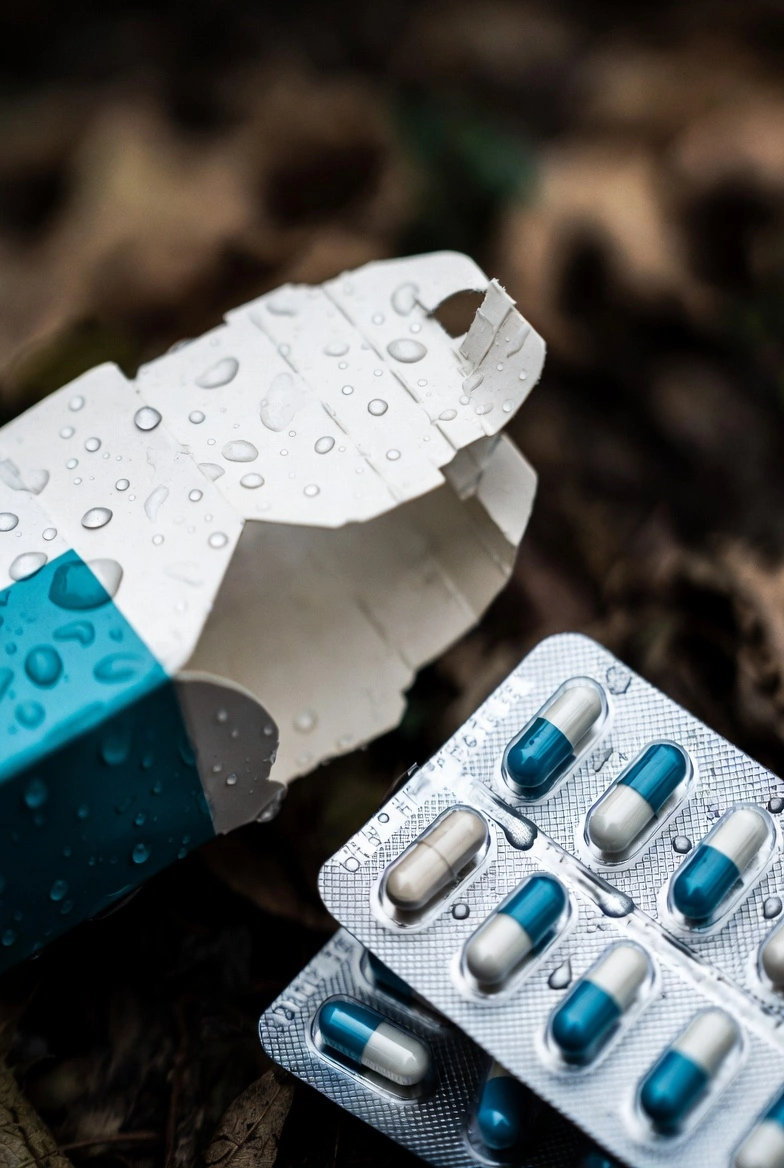
Damaged packaging, opened containers, torn blisters, overheating during transport, or very long storage after opening — all of these can affect quality. Sometimes changes are visible immediately, sometimes not.
| Cause | Why it matters |
|---|---|
| Overheating or cold | May affect stability |
| Light and moisture | Worsen storage conditions |
| Damaged packaging | Less protection for the medicine |
| Expired | Manufacturer no longer guarantees quality |
Which medicines spoil the fastest
Some dosage forms are more sensitive to storage conditions and may lose their properties faster than others. This does not mean they “spoil” instantly, but they require more careful handling.
Most sensitive to storage conditions:
- Liquid forms (syrups, drops, solutions)
May change their properties when exposed to temperature, light, or after opening the bottle. - Eye drops
Have a limited period of use after opening due to increased risk of contamination. - Antibiotics in suspension form
Often have a short shelf life after preparation (reconstitution). - Medicines requiring refrigeration (e.g., insulin)
Sensitive to overheating and freezing, even briefly. - Creams, ointments, and gels
May change texture, separate, or lose uniformity. - Medicines in damaged or opened packaging
Lose protection from moisture, air, and microorganisms.
In such cases, it is important to follow the instructions for the medicine, especially regarding the period of use after opening and storage conditions.
Key signs that medicines have gone bad
Color, smell, texture
Changes in color, smell, the appearance of brittleness, softening, stickiness, cracks, or sediment in liquid forms — all of these are warning signs. They do not always indicate the same issue, but they clearly suggest the medicine may no longer be reliable.
Changes in packaging
If the blister is damaged, the box is wet, the bottle is cracked, or the label is no longer readable, this is also a concern. Without intact packaging, it becomes harder to assess both storage conditions and the medicine itself.
Is it safe to use medicines that have gone bad
Using medicines that may have lost their properties involves risks. In most cases, the issue is not that the medicine becomes “toxic,” but that its effectiveness may decrease or change.
This means that:
- the medicine may work less effectively than expected
- the effect may be unpredictable
- the treatment may not produce the desired result
Particular care should be taken with medicines sensitive to storage conditions (for example, liquid forms or products after opening).
If there are doubts about the quality of a medicine, it is recommended not to use it without consulting a doctor or pharmacist.
When to be especially careful
After transportation
After delivery, a trip in the trunk, summer heat, or prolonged time in a car, medicines should be checked more carefully. Even if the packaging looks “almost normal,” storage conditions may not have been ideal.
After long-term storage
An old home medicine cabinet often contains surprises: half-empty bottles without caps, unknown tablets, blisters without boxes. If it is unclear what the medicine is or how it was stored, it is better not to take risks. The FDA recommends disposing of expired or unused medicines through take-back programs or according to safe disposal guidelines.
| Sign | What to do |
|---|---|
| Color or smell changed | Do not use until clarified |
| Tablet crumbles or is sticky | Do not take risks |
| Damaged blister or bottle | Treat with caution |
| Expiration date passed | Do not use, dispose properly |
Questions and answers
How can you tell if medicines have gone bad?
If a medicine has changed color, smell, or texture, or the packaging is damaged, it should not be used without additional verification.
Can medicines go bad before the expiration date?
Yes, if storage conditions were violated or the packaging was damaged.
What is the most obvious sign of spoilage?
A noticeable change in appearance, smell, or texture.
If I don’t remember what these tablets are, can I take them?
No. Unidentified medicines should not be used.
What should be done with expired medicines?
Dispose of them properly, preferably through take-back programs.
Conclusions
When it comes to questionable medicines, it is better to be cautious than to take risks. If a medicine has changed in appearance, the packaging is damaged, or storage conditions are unclear, it should not be used. In a home medicine cabinet, a healthy level of skepticism is sometimes more useful than optimism.
References
- FDA. Disposal of Unused Medicines: What You Should Know.
- FDA. Where and How to Dispose of Unused Medicines.
- FDA. Q1 Stability Testing of Drug Substances and Drug Products.
- FDA. Container Closure Systems for Packaging Human Drugs and Biologics.
- FDA. Safety Considerations for Container Labels and Carton Labeling Design.
About the Author