

The post-holiday period is often accompanied not only by physical fatigue but also by emotional exhaustion, irritability, sleep disturbances, and reduced concentration.
For many patients, this becomes a reason to seek “calming” remedies, although in most cases it involves functional overload of the nervous system rather than clinical disorders.
A rational approach focuses on supporting neurotransmitter processes and energy metabolism without aggressive intervention.
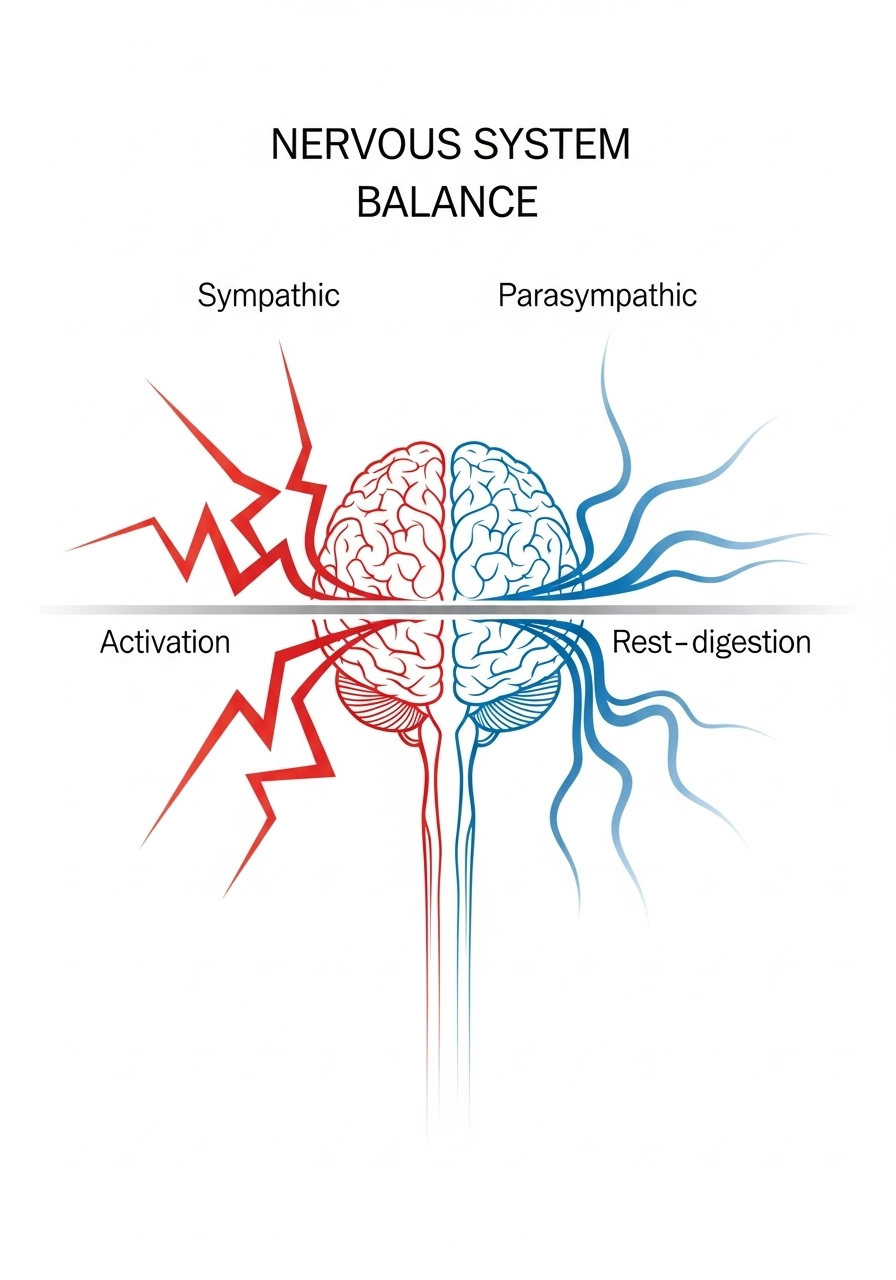
Why the nervous system suffers after the holidays
The holiday period combines several stress factors at once:
-
disruption of circadian rhythms;
-
excessive intake of stimulants (sugar, alcohol);
-
emotional overload;
-
lack of restorative sleep.
Table 1. Main post-holiday factors and their impact on the nervous system
| Factor | Mechanism of action | Manifestations |
|---|---|---|
| Sleep deprivation | Impaired melatonin synthesis | Insomnia |
| Chronic stress | Increased cortisol levels | Anxiety |
| Excess sugar intake | Glucose fluctuations | Irritability |
| Alcohol | B-vitamin deficiency | Fatigue, apathy |

Nutrients that support the nervous system
Functional support of the nervous system is based on ensuring cofactors for neurotransmitter synthesis.
Browse the assortment of the Medizine online store to select effective products and nutrients for digestive support, energy balance, and overall well-being. Additional tips on post-holiday recovery are available on our blog.
Key nutrients and the nervous system:
-
Magnesium — regulation of neuromuscular transmission
-
Vitamin B₆ — serotonin and GABA synthesis
-
Vitamin B₁₂ — neuronal metabolism
-
Folic acid — homocysteine regulation
-
Glycine — inhibitory neurotransmitter
Table 2. Nutrients and their role in nervous system function
| Nutrient | Primary function | Clinical effect |
|---|---|---|
| Magnesium | Neuromodulation | Reduction of tension |
| Vitamin B₆ | Neurotransmitter synthesis | Mood stabilization |
| Vitamin B₁₂ | Nerve conduction | Reduced fatigue |
| Folate | Methionine metabolism | Cognitive function support |
| Glycine | Inhibitory effect | Improved sleep |
Why Sedatives Should Not Be Used Immediately
In most post-holiday situations:
- symptoms are reversible;
- there are no clinical criteria for anxiety disorders;
- lifestyle adjustment and nutrient support are sufficient.
Excessive use of sedatives may mask the problem rather than solve it.
The Role of the Pharmacist in the Post-Holiday Period
The pharmacist:
- assesses the nature of symptoms;
- distinguishes fatigue from pathological anxiety;
- recommends gentle support instead of aggressive correction;
- refers the patient to a physician if “red flags” are present.

QUESTIONS & ANSWERS
Is it normal to feel anxious after the holidays?
Yes. In most cases, this is a reaction to stress and disrupted routines rather than a mental disorder.
Can magnesium replace sedatives?
In cases of functional tension — yes, magnesium is often sufficient to reduce symptoms.
Which vitamins are most important for the nervous system?
B-group vitamins, particularly B₆ and B₁₂, as well as folate.
When should a patient be referred to a doctor?
In cases of persistent insomnia, panic attacks, a sharp decline in performance, or depressive symptoms.
Are adaptogens needed after the holidays?
In most cases — no. Basic physiological processes should be restored first.
Conclusions
Post-holiday strain on the nervous system is common and usually temporary. Rational nutrient support, sleep normalization, and reduced stimulants allow balance to be restored without medication overload.
References
-
Besedovsky L. Sleep and immune–neuro interaction. Physiol Rev.
-
EFSA Panel on Nutrition. Scientific opinions on magnesium and B vitamins.
-
NIH Office of Dietary Supplements. Fact sheets.
-
Guyton AC, Hall JE. Textbook of Medical Physiology.
-
Calder PC. Nutrition and mental health.
About the Author