


Brief summary
Painkillers from the group of non-steroidal anti-inflammatory drugs (NSAIDs) have long become part of everyday life. They are taken “automatically” — for headaches, back pain, joint pain, or fever.
The problem is that frequent or uncontrolled use of NSAIDs can gradually lead to damage of the gastric mucosa, cardiovascular complications, and masking of the true causes of pain. Risks do not always appear immediately — which is why they are often underestimated.
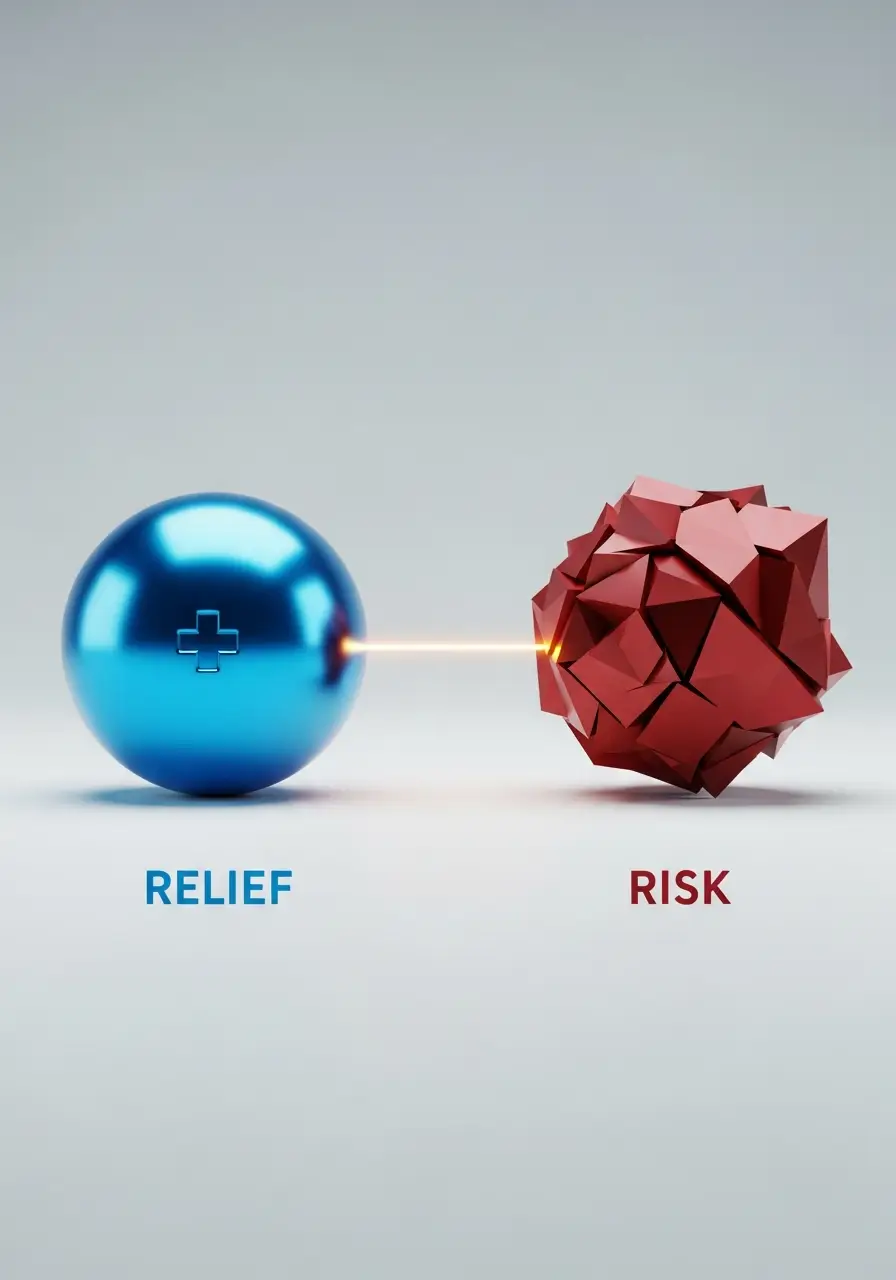
Why frequent use of painkillers (NSAIDs) can be dangerous
NSAIDs are perceived as “mild” medications that do not require special caution. They are available over the counter, familiar since childhood, and quickly relieve symptoms.
This very accessibility creates an illusion of safety: if a drug is sold without a prescription, it must be harmless.
In practice, however, NSAIDs affect not only pain but also the body’s basic protective mechanisms.
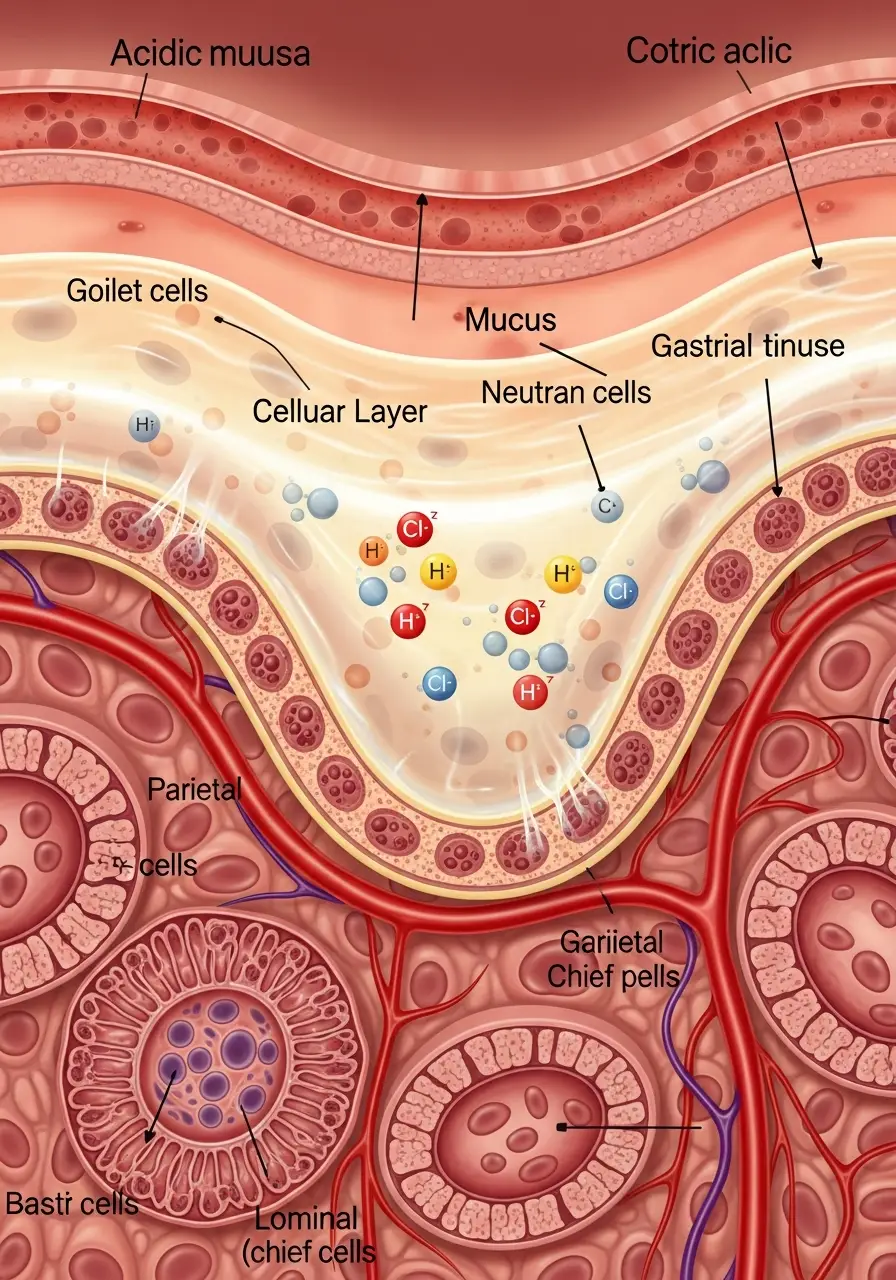
How non-steroidal anti-inflammatory drugs work
NSAIDs reduce pain and inflammation by inhibiting cyclooxygenase (COX) enzymes, which are involved in prostaglandin synthesis.
Prostaglandins are responsible not only for pain but also for:
-
protection of the gastric mucosa;
-
regulation of blood flow in the kidneys;
-
maintenance of vascular balance.
When these mechanisms are systemically blocked, the body loses part of its natural protection.
Why they seem “safe”
-
rapid effect;
-
habitual use;
-
absence of immediate side effects;
-
recommendations to “take as needed.”
It is precisely the delayed nature of complications that creates a false sense of control.

Which body systems react first
Stomach and mucosa
NSAIDs reduce the production of protective mucus and bicarbonates in the stomach, making the mucosa vulnerable to acid.
Cardiovascular system
Long-term use of certain NSAIDs may alter the balance between thromboxane and prostacyclin, increasing the risk of thrombosis and cardiovascular events.
Stomach and heart: where the risk lies
Table 1. Main target systems of NSAIDs
| System | Potential impact |
|---|---|
| Stomach and intestines | Erosions, ulcers, bleeding |
| Heart and blood vessels | Increased cardiovascular risk |
| Kidneys | Impaired filtration, fluid retention |
| Liver | Metabolic burden |
| Nervous system | Masking of the true source of pain |
The most dangerous aspect is that complications may develop slowly and without symptoms.
Why symptoms of complications do not appear immediately
Most people expect side effects to present as sharp pain or discomfort. But with NSAIDs:
-
the mucosa may be damaged without pain;
-
vascular changes are not felt until an event occurs;
-
symptoms are attributed to “something I ate” or “being overtired.”
Table 2. Why NSAID risks are often ignored
| Reason | What happens |
|---|---|
| Slow development | A person does not associate symptoms with the drug |
| Symptomatic relief | Pain disappears — vigilance decreases |
| Self-medication | No control over dose and duration |
| Combination of drugs | Overall burden increases |
Between the tables, it is worth emphasizing the key idea: the absence of immediate harm does not mean the absence of risk.
Questions and answers
Is it safe to take painkillers from time to time?
Yes, short-term use at the minimum effective dose is generally safe for a healthy person in the absence of chronic diseases and contraindications.
Why might side effects not appear immediately?
Because damage to the mucosa or blood vessels develops gradually and may not cause noticeable discomfort for a long time.
Do different people react to NSAIDs in the same way?
No. Age, comorbidities, lifestyle, and combination with other medications significantly affect the body’s response and the risk of side effects.
Why is self-medication not the same as short-term use?
Self-medication often means repeated, uncontrolled use without assessing the causes of pain and potential risks.
Conclusions
NSAIDs are an effective tool, but not a neutral one. They relieve symptoms without addressing the cause of pain and, with regular use, may lead to serious complications. Conscious use, minimal doses, and understanding the limits of self-medication are key to safety.
References
-
Bhala N. et al. Vascular and upper gastrointestinal effects of NSAIDs. The Lancet, 2013.
-
NICE Guidelines: Non-steroidal anti-inflammatory drugs.
-
EMA Safety Review on NSAIDs.
-
PubMed: NSAIDs and gastrointestinal risk — review articles.
-
ESC Guidelines on cardiovascular risk and NSAIDs.
About the Author