
The idea of “biohacking” is often associated with dozens of supplements and complex protocols. However, the foundation of an effective health approach includes physical activity, adequate nutrition, and a few well-thought-out nutraceutical solutions. Let’s look at how to smartly combine training, diet, and nutraceuticals to support energy, endurance, and recovery.

Physical Activity as a Basic “Biohack”
Regular aerobic and strength exercises:
-
improve insulin sensitivity;
-
maintain muscle mass and bone mineral density;
-
positively affect mood through neurotransmitter systems;
-
support cardiovascular health.
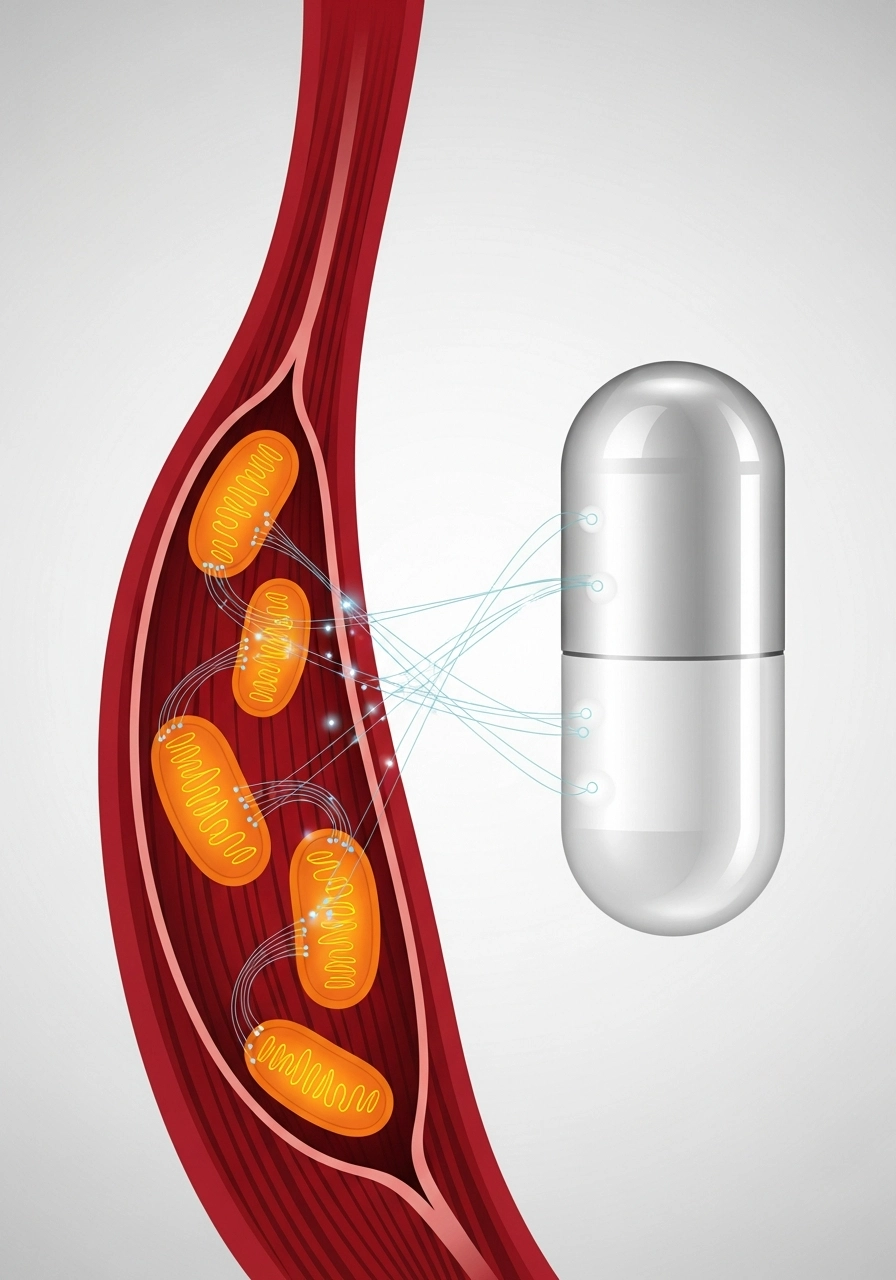
Nutraceuticals can enhance the effect of workouts but cannot replace them. The key task is not to create another stress factor (excess stimulants, deficiencies, overtraining).
Table 1. Types of Physical Activity and Main Metabolic Goals
| Type of Exercise | Main Goal | Biological Focus |
|---|---|---|
| Aerobic Training | endurance, cardiovascular | fat utilization, mitochondria |
| Strength Training | muscle mass, strength | protein synthesis, anabolic signaling |
| Interval (HIIT) | metabolic flexibility | alternating glucose and fat metabolism |
| Low-Intensity Activity (NEAT) | daily energy expenditure | prevention of sedentary lifestyle |
Proper “biohacking” is primarily about consistency, sufficient sleep, adequate hydration, and nutrition according to the type of exercise.
Role of Nutraceuticals in Sports
The nutraceuticals most often considered to support physical activity include:
-
protein formulas (to meet amino acid needs);
-
creatine (supports explosive strength and ATP recovery);
-
omega-3 PUFAs (anti-inflammatory support, joints, cardiovascular system);
-
vitamin D (muscles, immunity, bones);
-
electrolytes (sodium, potassium, magnesium) for hydration support;
-
caffeine (as an ergogenic aid — with limitations).
When Nutraceuticals Can Be Useful
-
During increased physical activity, when it is difficult to meet protein/micronutrient needs through diet alone.
-
In cases of deficiency (laboratory-confirmed) of vitamin D, iron, B12, etc.
-
When more effective recovery is needed (omega-3, magnesium, protein).
Table 2. Examples of Nutraceuticals in Combination with Training
| Goal | Possible Nutraceuticals | Comment |
|---|---|---|
| Endurance | electrolytes, carbohydrate gels | important to avoid dehydration |
| Muscle Gain | whey protein, creatine | with an adequate diet |
| Joint Recovery | omega-3, collagen, vitamin C | as part of a long-term strategy |
| Anti-Stress Support | magnesium, adaptogens (ashwagandha, etc.) | under high load + stress |
It is important to emphasize: nutraceuticals should be a supplement to a balanced diet, not a replacement.
Practical Principles for Combining Training and Nutraceuticals
-
First — routine: sleep, regular training, diet.
-
Next — basic support: protein, omega-3, vitamin D (as indicated).
-
After that — targeted solutions: creatine, electrolytes, adaptogens, depending on goals.
-
Do not start a dozen supplements at once: this complicates the assessment of effect and safety.
Questions and Answers
Can you “biohack” yourself with supplements alone, without exercise?
No. Without regular physical activity and sleep, any nutraceutical regimen works much less effectively.
Is protein necessary for everyone who trains?
No, if a person meets daily protein needs through food. Protein is a convenient way to add protein, not “anabolic magic.”
Is creatine safe?
For healthy people, at adequate doses and with sufficient hydration, creatine is considered safe, but it is advisable to consult a doctor before starting, especially if there are chronic diseases.
Are “fat burners” necessary for weight loss?
The basis for weight loss remains a calorie deficit and movement. “Fat burners” often contain stimulants and may be undesirable in cardiovascular or anxiety disorders.
Conclusions
Effective “biohacking” is primarily about well-organized physical activity, sleep, and diet. Nutraceuticals can enhance the effect of training and facilitate recovery, but only as part of a holistic strategy, not as a replacement for movement and healthy habits.
References
-
Phillips S.M. Dietary protein for athletes.
-
Kreider R.B. et al. International Society of Sports Nutrition position on creatine.
-
Maughan R.J. et al. IOC consensus on dietary supplements and the high-performance athlete.
-
Thomas D.T. et al. Position of the Academy of Nutrition and Dietetics on nutrition and athletic performance.
About the Author