

Sharp temperature fluctuations in February are often accompanied by changes in atmospheric pressure and can affect well-being even in healthy people.
Headaches, increased fatigue, and emotional tension during this period often have a functional nature and are associated with adaptive responses of the vascular and nervous systems.
Understanding the mechanisms of this influence helps reduce discomfort and timely distinguish between a normal body reaction and conditions that require medical attention.

Why sharp temperature fluctuations occur more often in February
Atmospheric pressure and thermoregulation: what happens in the body
At the end of winter, atmospheric fronts change more rapidly than in stable winter or spring months. This leads to sharp fluctuations in temperature and atmospheric pressure over a short period. The body is forced to constantly adjust thermoregulation mechanisms, creating additional stress on the vascular and nervous systems.
The role of vascular response and the nervous system
Changes in temperature and pressure activate the autonomic nervous system. Blood vessels can suddenly constrict or dilate, altering blood flow to the brain. These reactions often underlie headaches, sensations of pressure in the head, and general discomfort.
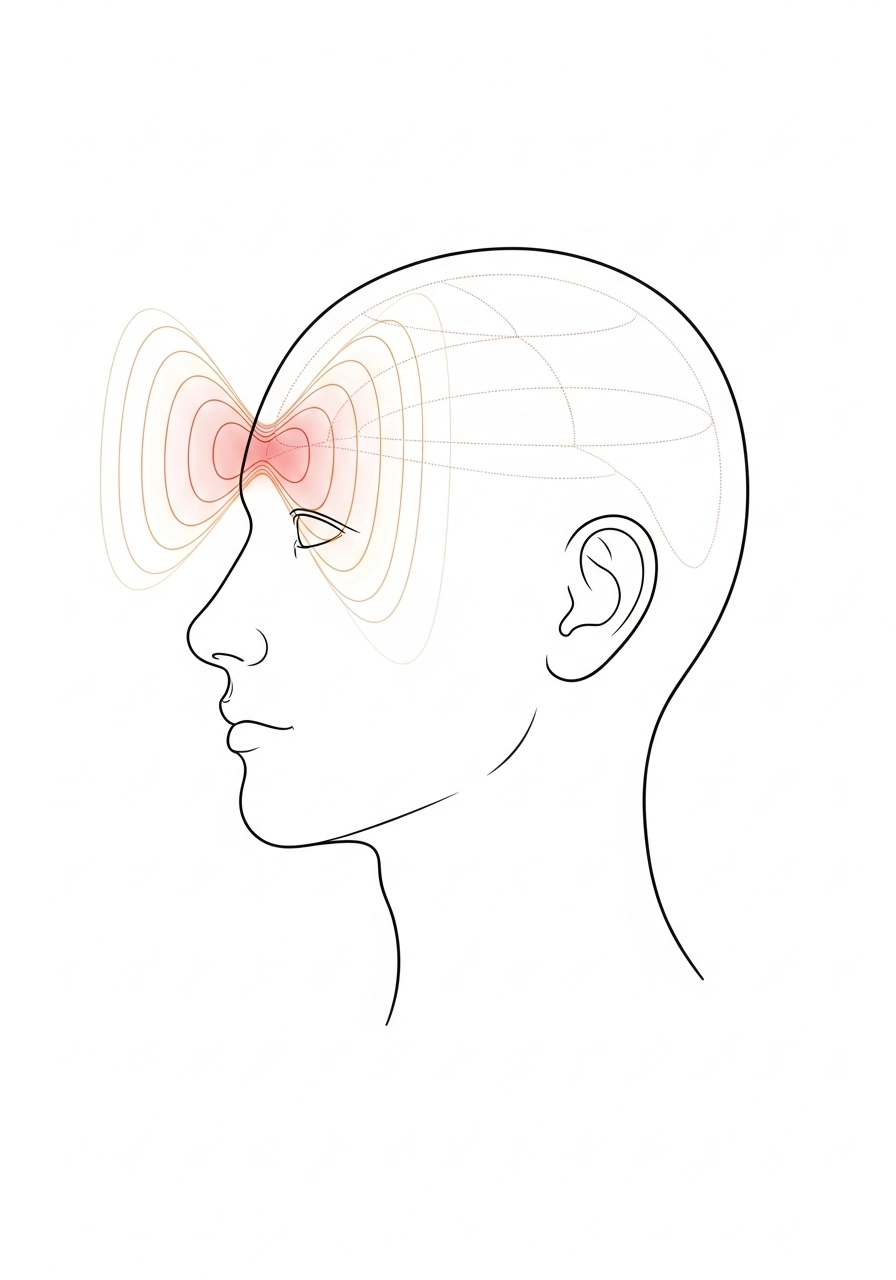
How temperature fluctuations affect well-being
Headaches and weather sensitivity in February
In February, headaches are often associated with weather sensitivity — the individual body’s ability to respond to changes in weather conditions. Such pain usually does not indicate disease but can significantly affect quality of life.
Table 1. Common symptoms during temperature fluctuations
| Symptom | Possible mechanism |
|---|---|
| Headache | Vascular fluctuations |
| Dizziness | Changes in cerebral blood flow |
| Pressure in the temples | Autonomic nervous system reaction |
| Drowsiness | Adaptive overload |
Fatigue and increased stress at the end of winter
The constant need to adapt to changes in the external environment exhausts the nervous system. Even without significant physical exertion, a person may experience fatigue, reduced concentration, and emotional tension.
It is important to understand: such fatigue is not a sign of weakness but a result of the body’s adaptive mechanisms.
Table 2. Factors that increase fatigue in February
| Factor | Impact |
|---|---|
| Sharp weather changes | Increased load on the nervous system |
| Short daylight hours | Reduced energy levels |
| Chronic stress | Exacerbation of somatic symptoms |

How to reduce the impact of sharp temperature fluctuations
Daily routine, water, and movement: basic body support
A stable sleep routine, sufficient fluid intake, and regular moderate physical activity help reduce vascular reactivity and support the nervous system. Even small daily walks or light stretching can positively affect well-being.
When symptoms are a reason to see a doctor
Consultation with a specialist is recommended if the headache becomes intense, prolonged, or is accompanied by vision, speech, or coordination disturbances, or a sudden deterioration of general condition.
Questions and answers
Why do headaches intensify in February even in healthy people?
During periods of sharp temperature and atmospheric pressure fluctuations, the body works more actively in adaptation mode. This can cause vascular reactions and functional headaches even in people without chronic diseases.
Can sharp temperature fluctuations trigger migraines?
Yes. In people prone to migraines, sharp temperature and atmospheric pressure changes can trigger attacks due to changes in vascular tone and nervous system activity.
Who is most sensitive to sharp weather changes?
People with autonomic disorders, cardiovascular diseases, as well as those with high anxiety or chronic stress, respond more frequently to weather changes.
Do supplements help with weather sensitivity?
In some cases, they can indirectly reduce symptom severity, but their use should be coordinated with a doctor.
Conclusions
Sharp temperature fluctuations in February place significant stress on the body’s adaptive mechanisms. Headaches, fatigue, and increased stress during this period often have a functional nature and can be managed through routine, hydration, and attentive response to body signals. It is important to distinguish seasonal reactions from symptoms requiring medical evaluation.
References
-
World Health Organization. Climate and Health.
-
PubMed: Weather sensitivity and headache.
-
European Journal of Neurology: Migraine and atmospheric pressure.
-
NICE Guidelines: Headache management.
-
Reviews on autonomic nervous system adaptation.
About the Author