

War-related stress is not just “anxiety.” It is a prolonged, systemic impact on all organs and systems.
Ukrainians have been living in a state of heightened anxiety for years, which means: altered hormonal balance, exhausted adrenal glands, disrupted sleep, a burdened gut, and increased risk of cardiovascular and metabolic disorders.
Nutraceuticals do not replace psychotherapy or medical care, but they can become a key element of physiological support for the body under prolonged stress.
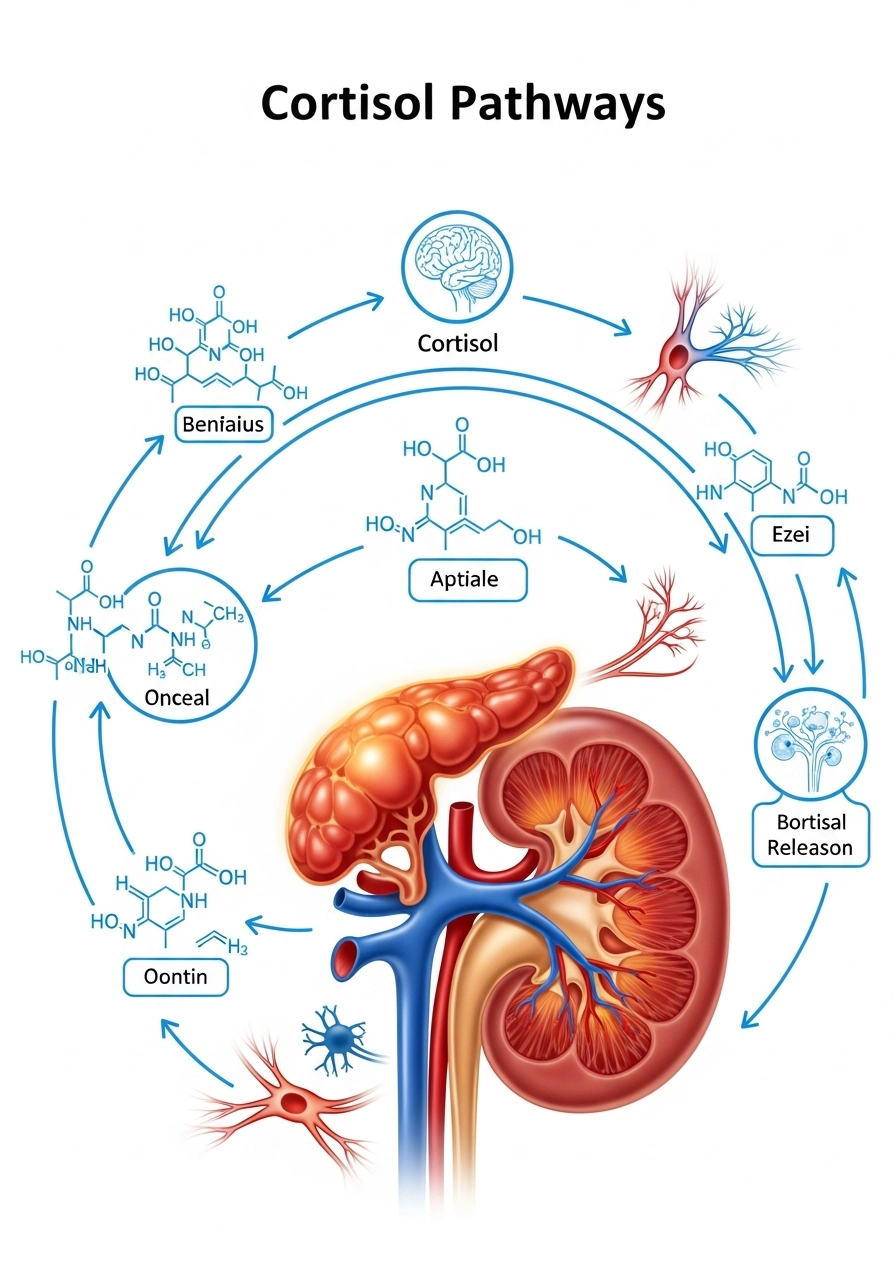
How prolonged stress affects the body
Hormonal System
-
Chronically elevated cortisol → adrenal exhaustion.
-
Reduced sensitivity to thyroid hormones.
-
Disruption of sex hormone balance due to HPA axis dysregulation.
Digestive System
-
Intestinal spasms, bloating, motility changes.
-
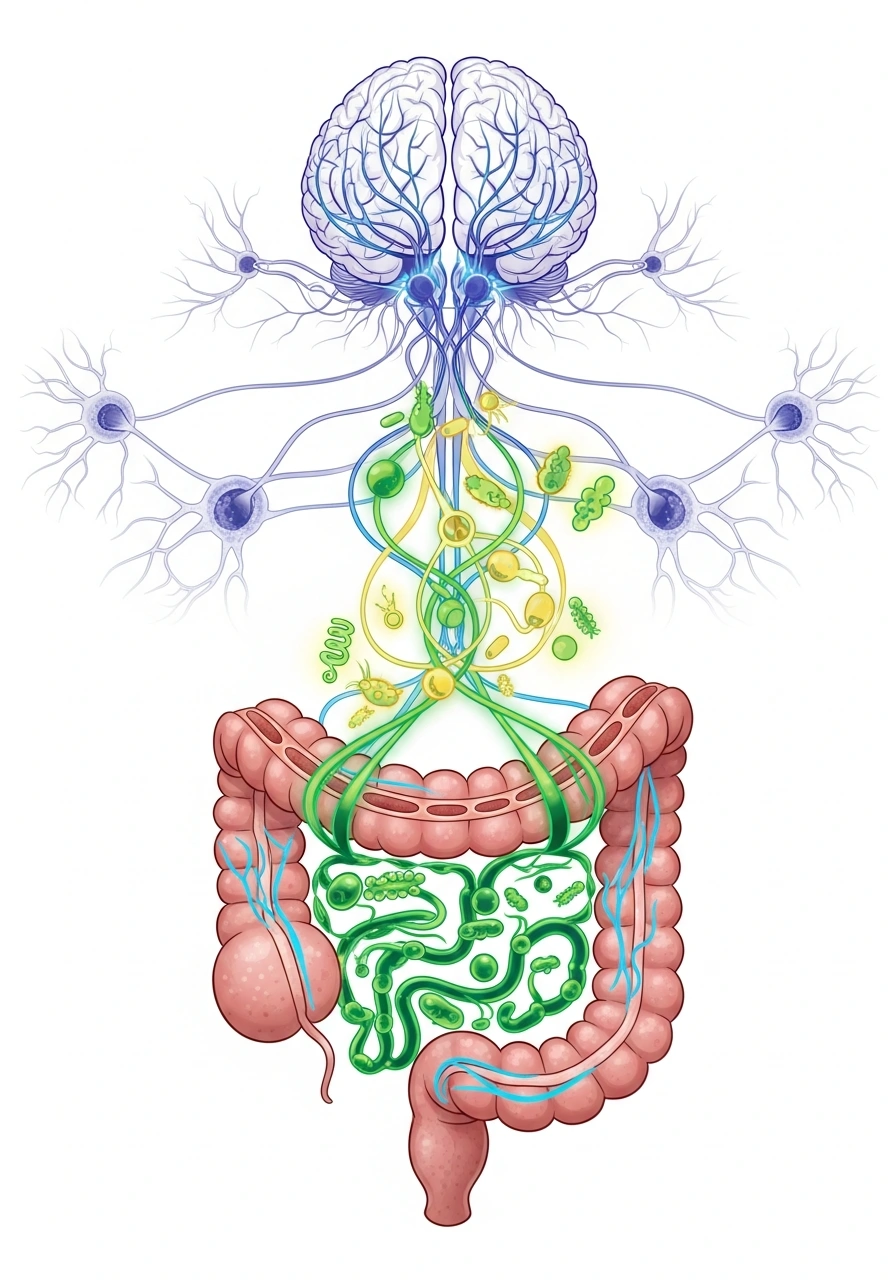
Disruption of the microbiome and barrier function.
-
Reduced secretion of enzymes and bile.
Heart and Vessels
-
Increased blood pressure.
-
Tachycardia, pulse fluctuations.
-
Higher risk of thrombosis.
Brain and Mental Health
-
Impaired concentration.
-
Anxiety, emotional instability.
-
Deficiency of neurotransmitters — serotonin, GABA, dopamine.
Typical Symptoms of War-Related Stress Fatigue
-
Chronic fatigue without physical exertion
-
Poor sleep or frequent awakenings
-
Feeling “wiped out” in the morning
-
Blood pressure and pulse fluctuations
-
Bloating, unstable bowel
-
Mood swings
-
Low stress tolerance, tearfulness
-
Memory and productivity decline
Table 1. Body systems most affected by prolonged stress
| System | What Happens | Consequences |
|---|---|---|
| Nervous | depletion of dopamine, serotonin, GABA | anxiety, panic reactions, depressive mood |
| Hormonal | cortisol imbalance, adrenal exhaustion | sleep disturbances, sugar cravings, fatigue |
| Digestive | motility changes, microbiome disruption, reduced enzymes | bloating, diarrhea/constipation, irritable bowel syndrome |
| Cardiovascular | excess sympathetic activation | tachycardia, blood pressure changes, heart risks |
| Immune | cytokine balance shift | frequent colds, inflammatory conditions |
Lifestyle Support During War Stress
1. Sleep — Basic Anti-Stress
-
Do not go to bed after midnight — morning cortisol will be “off.”
-
Use warm light spectra after 9:00 PM.
-
Minimize news exposure after 8:00 PM (the mind cannot process it in time).
2. Physical Unloading
-
10 minutes of walking after each meal.
-
Gentle stretching and 4–7–8 breathing exercises.
-
Exercise 2–3 times/week (moderate, not “exhausting”).
3. Nutrition as a Stabilizer
-
Include protein in every meal (supports neurotransmitters).
-
Omega-3 + fiber → microbiome health, emotional stability.
-
Reduce caffeine after 1:00 PM.
Role of Nutraceuticals: What Really Works
Stress = depletion of certain nutrients. Replenishing them does not treat the cause of war, but restores the body’s physiological capacity to cope with stress. High-quality nutraceuticals can be purchased online at medizine.ua.
1. Nutrients for the Nervous System
-
Magnesium glycinate / citrate. Relaxation, sleep, anxiety reduction.
-
L-theanine. Focus without stimulation, lowers cortisol.
-
B-vitamin complex. Neurotransmitter production, energy support.
2. Microbiome Support
-
Probiotics, postbiotics. Reduce anxiety via the gut–brain axis.
-
Prebiotics. Feed beneficial bacteria, reduce inflammation.
3. Anti-Stress and Antioxidant Protection
-
Omega-3 (EPA/DHA). Supports mood, reduces inflammation.
-
Vitamin D. Normalizes immune and nervous systems.
-
Polyphenols (resveratrol, green tea). Antioxidant effects.
4. Hormonal Balance
-
Ashwagandha. Studies show 15–30% cortisol reduction.
-
Glycine before sleep. Improves recovery quality.
-
NAC. Supports antioxidant system and liver health.
Table 2. Nutraceuticals for Stress: Mechanism and Benefits
| Nutrient | Mechanism | Who Benefits |
|---|---|---|
| Magnesium | reduces tension, improves sleep | anxiety, muscle spasms, sleep issues |
| Vitamin D | mood and immune regulation | winter, low vitamin D levels, apathy |
| Omega-3 | reduces inflammation, stabilizes mood | chronic stress, depressive symptoms |
| Ashwagandha | lowers cortisol | emotional exhaustion, panic states |
| Theanine | improves focus, anti-stress | cognitive overload |
| Probiotics | gut–brain axis | anxiety, digestive issues |

What Modern Research Says
-
Ashwagandha reduces cortisol and stress levels in clinical studies (Journal of Ethnopharmacology, 2020).
-
Magnesium glycinate improves sleep and lowers anxiety levels (Nutrients, 2021).
-
Omega-3 reduces anxiety and depressive symptoms (Translational Psychiatry, 2019).
-
Probiotics show anti-stress effects via the gut–brain axis (Psychiatry Research, 2021).
-
Vitamin D correlates with mood stability (European Psychiatry, 2020).
Conclusion
War stress depletes the body on all levels — from hormones to the gut. But we can support ourselves:
-
stabilize sleep,
-
reduce informational noise,
-
add body practices,
-
adjust nutrition,
-
choose nutraceuticals with proven effectiveness.
This does not remove the stress of war, but enhances body resilience, restores control, and allows living in reality rather than exhaustion. Learn more about health in our Blog.
References
-
Nutrients. Magnesium and sleep quality.
-
Translational Psychiatry. Omega-3 and anxiety.
-
Journal of Ethnopharmacology. Ashwagandha and cortisol.
-
Psychiatry Research. Probiotics and stress resilience.
-
European Psychiatry. Vitamin D and emotional stability.
About the Author