
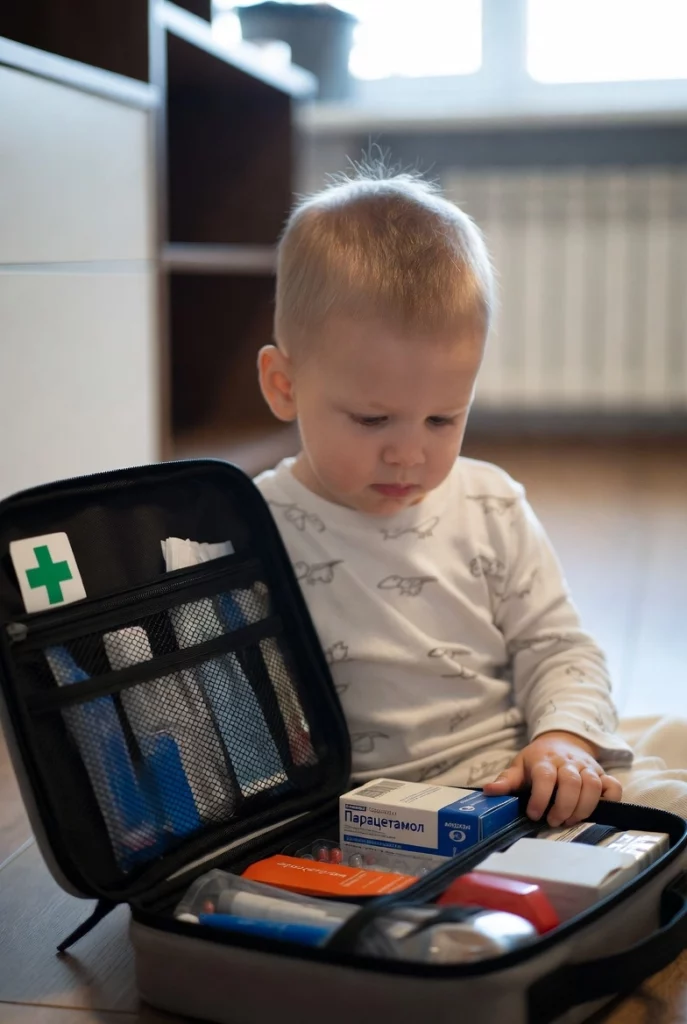
Situations where a child finds medication happen much more often than it might seem. Sometimes a child simply opens the packaging, while other times they may swallow pills or syrup. The most important thing in the first few minutes is to stay calm and quickly assess the situation.
It is crucial to understand exactly which medication was accessible, whether the child could have swallowed anything, and if any symptoms have appeared. Even a single tablet of certain medications can be dangerous for a small child.
Why This Can Be Dangerous
Risk of Accidental Ingestion
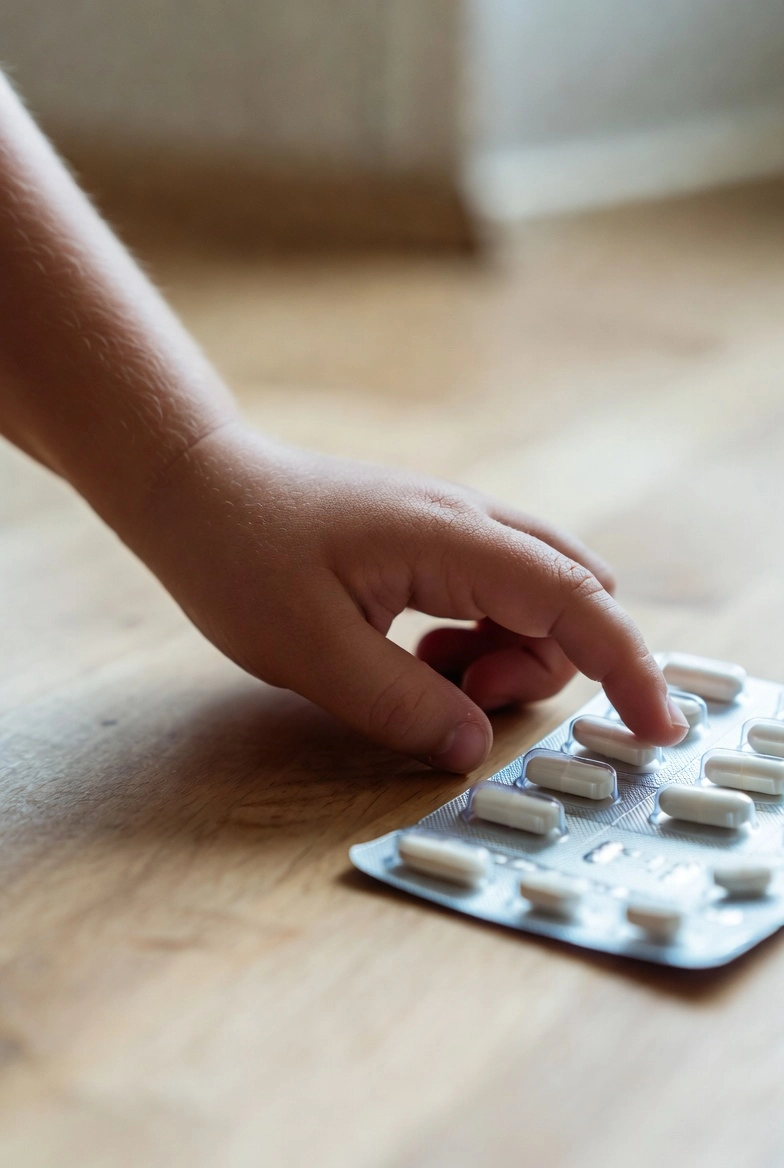
Children often perceive tablets as candy, especially if the packaging is bright or the medicine is left in an accessible place.
The highest risk arises from:
- painkillers (analgesics);
- heart medications (cardiovascular drugs);
- sedatives;
- blood pressure medications (antihypertensives);
- iron supplements;
- syrups with a pleasant taste.
For a small child, even a small amount of certain drugs can be problematic due to their low body weight.
Contact with Packaging
Sometimes a child does not swallow the pills, but:
- bites through a capsule;
- sucks on a tablet;
- opens a syrup bottle;
- touches the medication with their hands;
- spills tablets on the floor.
Even in such situations, it is important to check if any part of the product could have entered the mouth or eyes.
First Steps Without Panic
Assessment of the Situation
In the first few minutes, it is essential to gather information quickly.
Try to identify:
- exactly which package the child had;
- if any pills are missing;
- how much time has passed;
- if the child could have swallowed anything;
- the child’s age and weight.
If there are any pill fragments or an open syrup bottle nearby, do not throw them away. This will help professionals understand the situation faster.
What to Verify First
| What to Verify | Why It Matters |
|---|---|
| Medication Name | Allows for potential risk assessment |
| Dosage | One tablet can contain different amounts of the active substance |
| Number of Missing Pills | Helps estimate potential ingestion amount |
| Child’s Condition | Drowsiness, vomiting, or lethargy can be critical symptoms |
| Contact Time | Crucial for determining the next steps |
Do not attempt to induce vomiting or “give milk just in case.” Such actions can complicate the situation further.
When to See a Doctor
Warning Symptoms
Certain symptoms require rapid medical evaluation.
Warning signs include:
- extreme drowsiness;
- unusual lethargy;
- difficulty breathing;
- vomiting;
- seizures;
- sudden behavior changes;
- loss of consciousness;
- severe agitation;
- impaired coordination.
In young children, symptoms can develop much faster than in adults.
Uncertain Situations
Even if no symptoms are present yet, do not ignore the situation if:
| Situation | Why It Matters |
|---|---|
| Uncertain if the child swallowed pills | Impossible to assess risk without professional help |
| Pills are missing from the package | Possible accidental ingestion |
| The child is very young | Higher risk even with a small dose |
| Heart or blood pressure medications are involved | Some of these drugs are dangerous even in tiny amounts |
| Multiple different medications are involved | Harder to assess potential interactions and impact |
If there are doubts about the medication or quantity, always keep the packaging or a photo of the label handy.
Questions & Answers
Is it dangerous if a child simply held a pill in their mouth?
It depends on the medication and the duration of contact. Some substances can be partially absorbed even without being swallowed.
Should we go to the hospital immediately?
While it is not necessary in every single situation, if you suspect the child swallowed an unknown amount of medication, do not delay seeking professional help.
Can we give the child a lot of water?
Excessive “flushing” without understanding the situation is not always beneficial and could be counterproductive.
Why are iron supplements dangerous?
For small children, large doses of iron can be highly toxic and life-threatening.
This material is for informational and educational purposes only. In case of suspicion that a child has ingested any medication, seek medical help immediately or call emergency services. Do not attempt to treat poisoning yourself without professional consultation. Self-medication can be fatal.
Conclusions
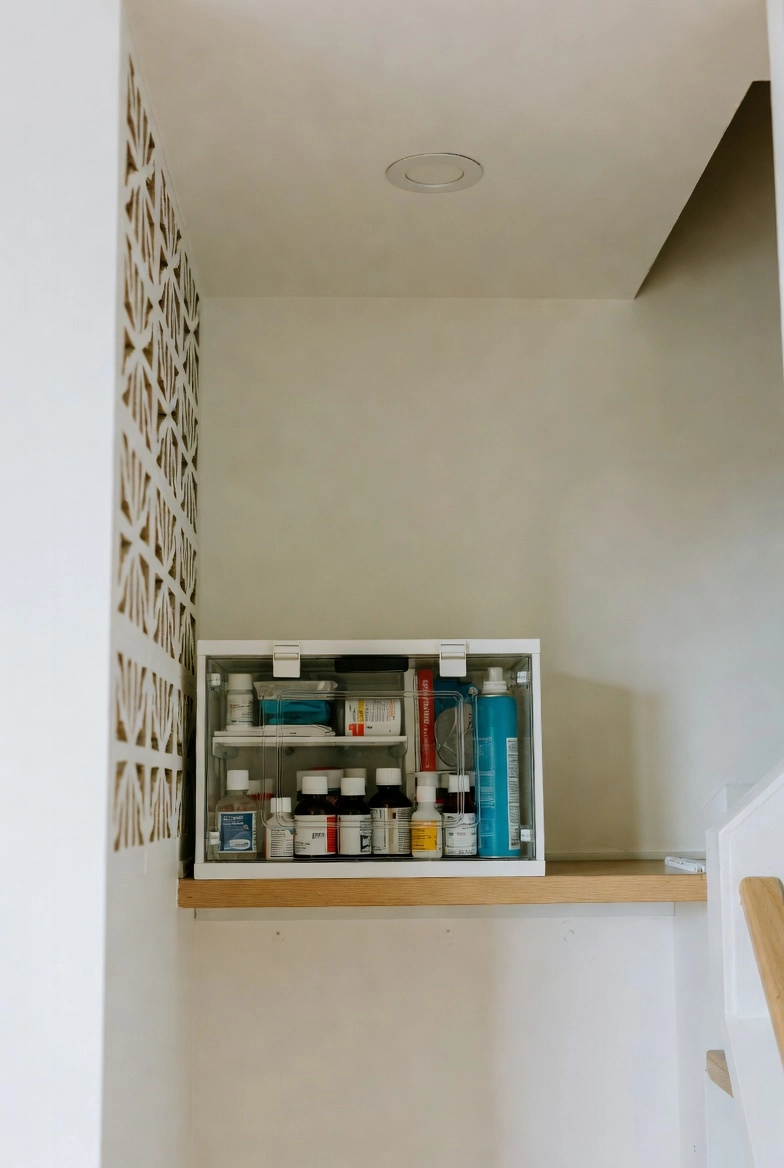
When a child finds and opens medication, the key is to quickly assess the situation without panicking. The most important goal is to identify exactly what was accessible and whether it was swallowed. Pay close attention to changes in behavior, drowsiness, vomiting, or breathing problems. Ideally, a home medicine cabinet should never become a “zone for childhood experiments.”
References
- World Health Organization. Poison prevention and child safety guidelines.
- American Academy of Pediatrics. Medication Safety Tips for Families.
- U.S. Food and Drug Administration (FDA). Safe Medicine Storage for Families.
- National Health Service (NHS). Accidental poisoning in children.
- Centers for Disease Control and Prevention (CDC). Preventing unintentional poisoning among children.
This material is for informational and educational purposes only. In case of suspicion that a child has ingested any medication, seek medical help immediately or call emergency services. Do not attempt to treat poisoning yourself without professional consultation. Self-medication can be fatal.
About the Author