
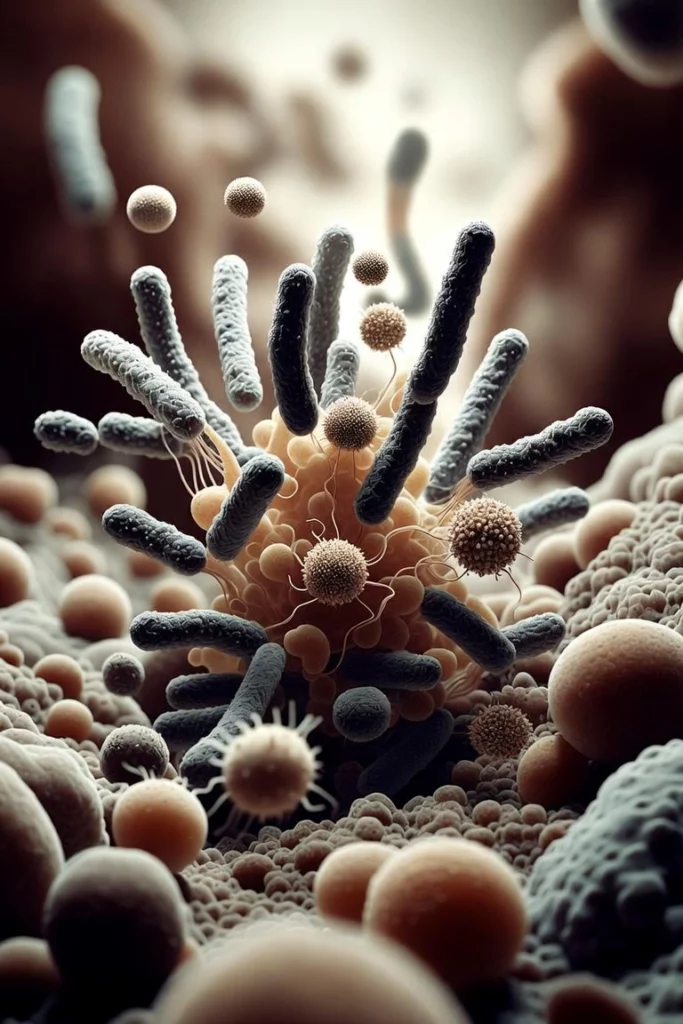
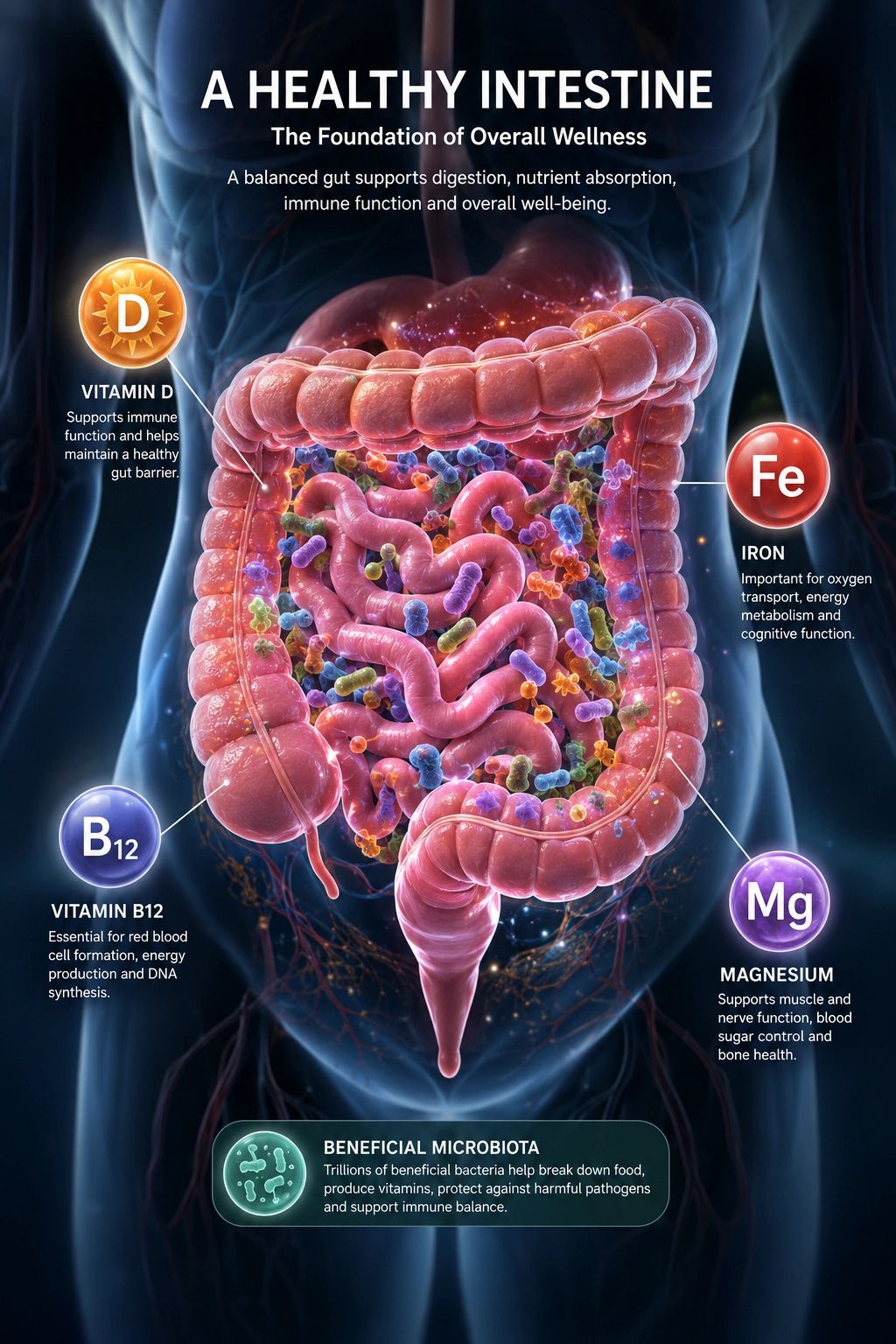
A decade ago, the gut microbiome was primarily of interest to gastroenterologists and scientists. Today, nutritionists, family doctors, pharmacists, and supplement manufacturers discuss it. The reason is simple: gut bacteria influence not only digestion but also the immune system and metabolism. Moreover, the state of the microflora directly determines how effectively your body absorbs vitamin D, B12, iron, and magnesium. Let’s explore how this connection works and how you can improve your vitamin status through gut care.
They participate in the functioning of the immune system and metabolism, and can even influence the absorption of specific vitamins and minerals. How strong is this connection, what has been proven by science, and can nutrient levels be improved by caring for the microbiome?
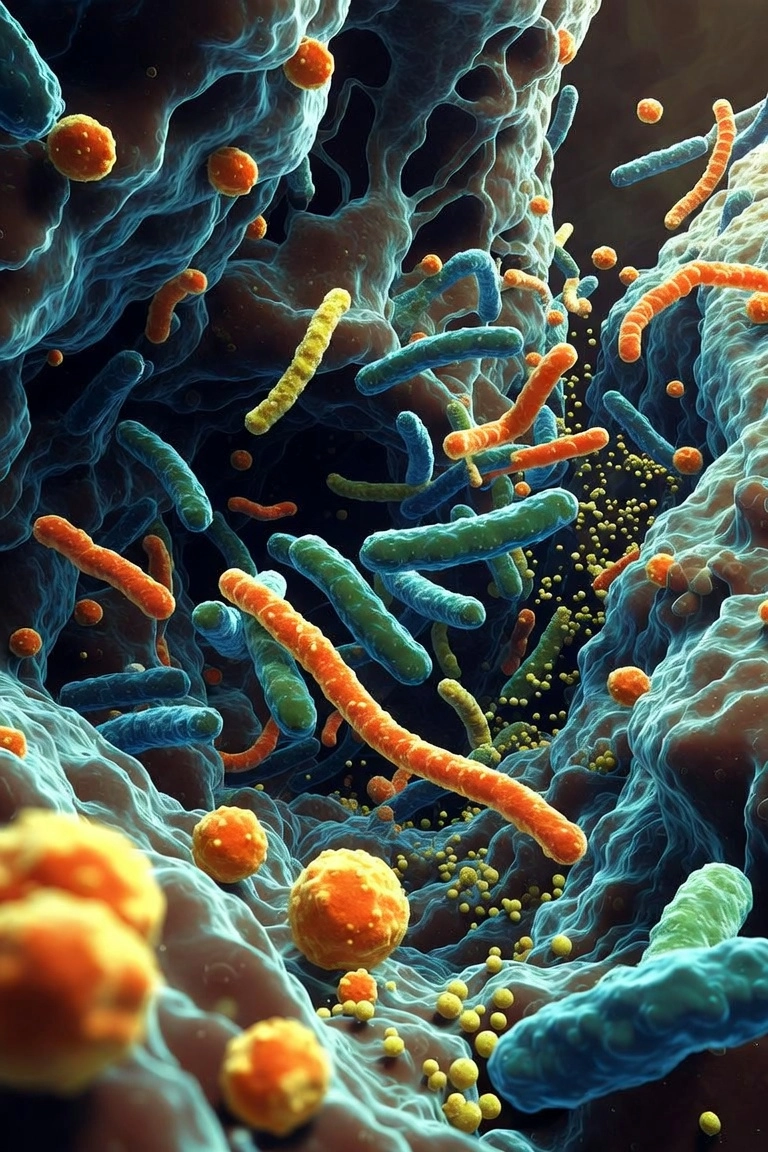
What Is the Microbiome and Why Is Everyone Talking About It
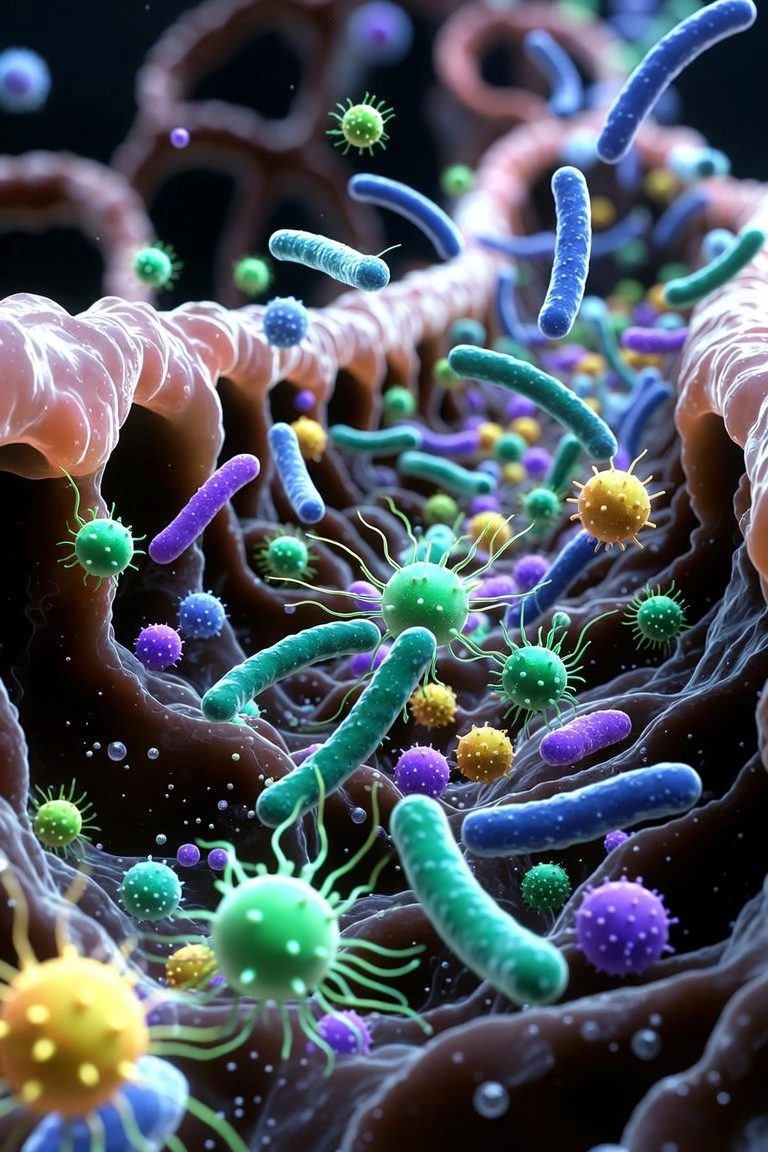
Trillions of microorganisms live in the human gut.
Most are bacteria, but viruses, fungi, and other microorganisms are also present.
Together, they form a complex ecosystem called the microbiome.
Until recently, it was believed that their main function was to aid in food digestion.
Today, it is clear that it is much more interesting.
The microbiome influences:
- immunity;
- inflammatory processes;
- metabolism;
- synthesis of certain biologically active substances;
- the state of the intestinal mucosa.
It is through the intestines that the body receives most nutrients. Therefore, it is logical that the state of this system matters for nutrient absorption as well.
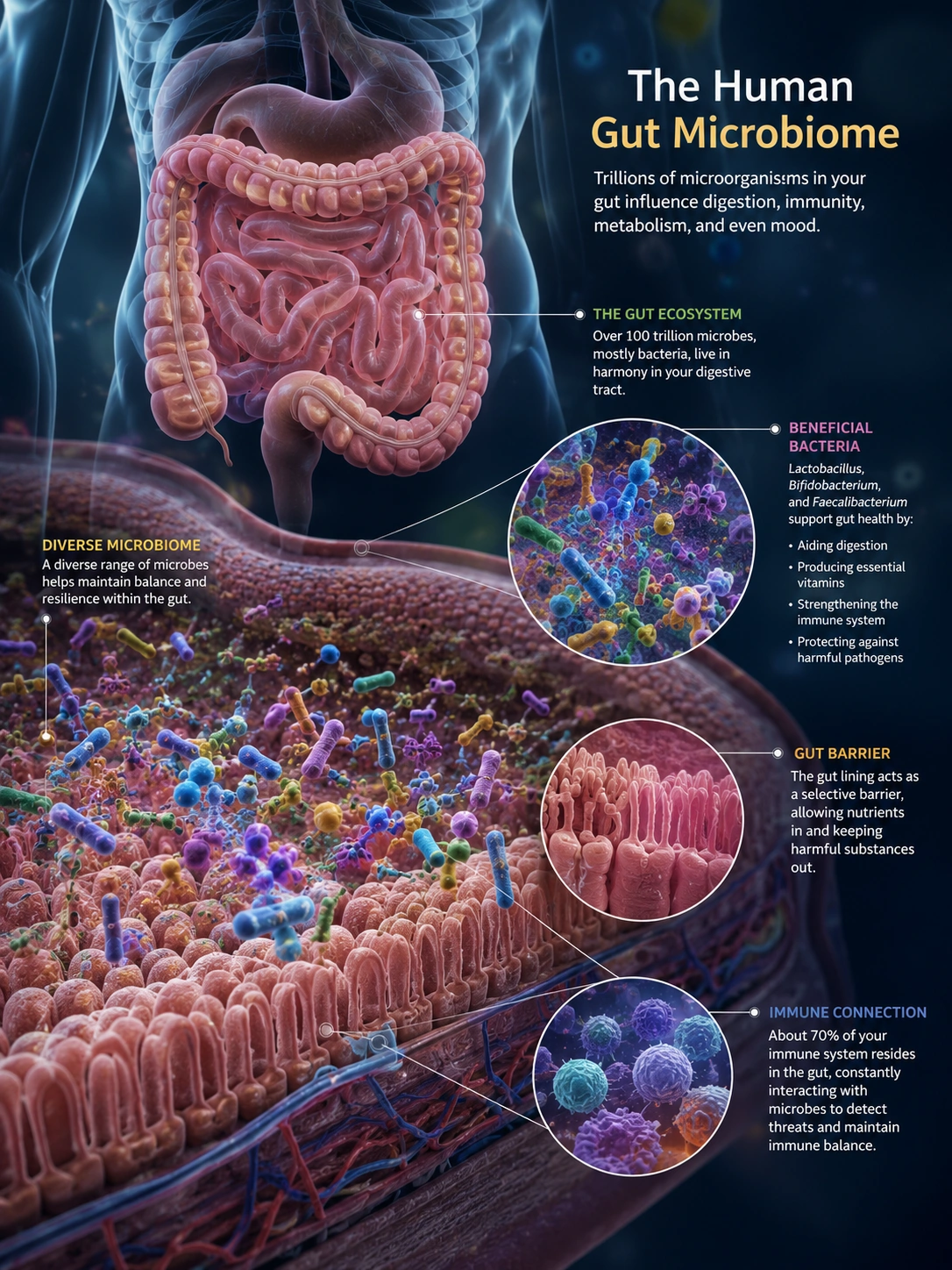
Why a Healthy Gut is Important for Vitamins
Imagine a modern warehouse with a cargo terminal.
Even if the cargo arrived on time, problems in the warehouse could prevent its normal distribution.
The gut works in a similar way.
Nutrients can come from food or supplements, but their effective use requires the normal functioning of the digestive system.
Absorption is affected by:
- mucosal health;
- stomach acidity;
- enzymatic activity;
- composition of gut microflora;
- presence of inflammatory processes.
Vitamin B12: One of the Most Interesting Examples
When it comes to the link between the microbiome and vitamins, B12 is often mentioned first.
This vitamin has a complex absorption mechanism.
For its normal absorption, it requires:
- the stomach;
- intrinsic factor;
- the small intestine.
Certain bacteria are capable of synthesizing compounds similar to B12, but for humans, this process is not the primary source of the vitamin.
Instead, disruptions in bowel function can affect its absorption.
Vitamin D and Gut Microflora
In recent years, this topic has literally exploded in scientific journals.
Researchers have noticed an interesting pattern.
People with different microbiome compositions often show differences in vitamin D levels.
For now, it is difficult to say which is cause and which is effect.
However, it is already known that vitamin D and the microbiome actively interact with each other.
Vitamin D receptors are present in intestinal cells, and the vitamin itself participates in maintaining the integrity of the intestinal barrier.
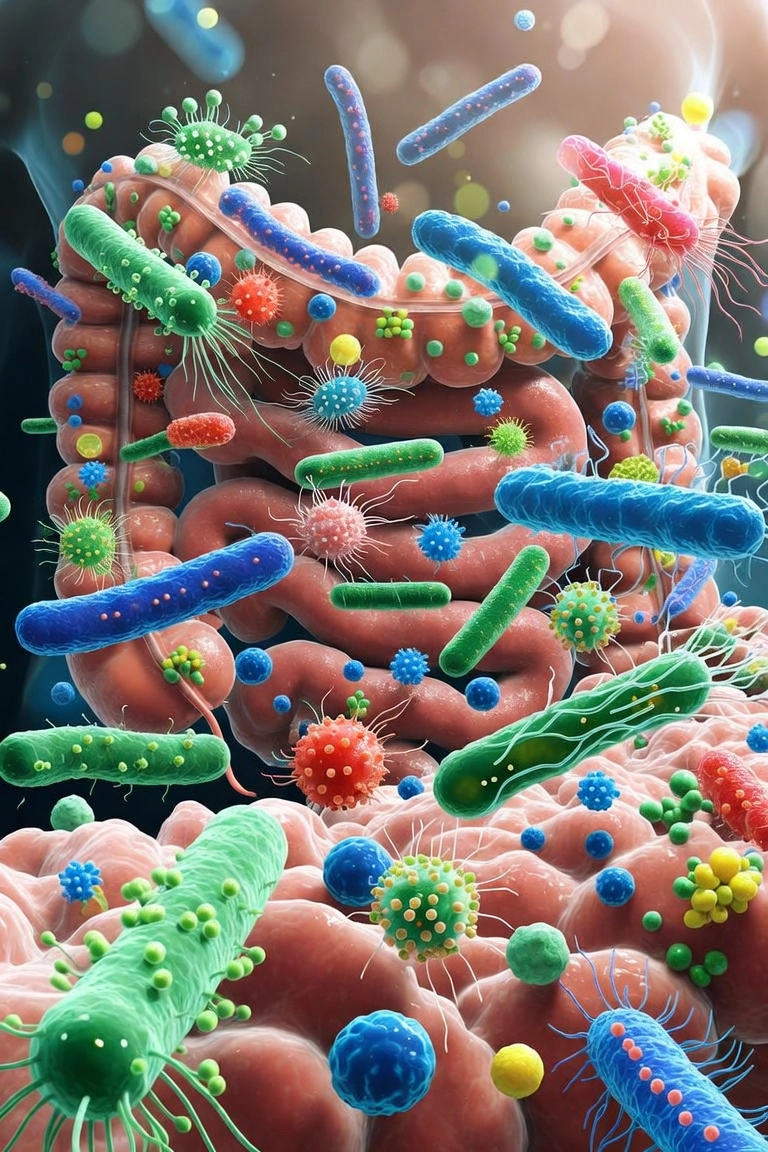
How the Microbiome Affects Iron
The situation with iron is particularly interesting.
The body controls its absorption very carefully.
Some gut bacteria also use iron for their own growth.
Therefore, there is actually competition between humans and microorganisms for this trace element.
Inflammatory processes in the gut can also affect the regulation of iron metabolism.
This is why the issue of iron deficiency sometimes goes far beyond typical dietary intake.
Table 1. Influence of the microbiome on specific nutrients
| Nutrient | Potential Link to Microbiome |
|---|---|
| Vitamin B12 | Impact on absorption processes |
| Vitamin D | Interaction via intestinal barrier and immunity |
| Iron | Impact of inflammation and microbial environment |
| Magnesium | Dependency on gut condition |
| Vitamin K | Partially synthesized by bacteria |
| Folates | Partially formed by specific bacteria |

Magnesium: An Unexpected Link to the Gut
Most people associate magnesium with the nervous system or muscles.
In reality, its absorption also occurs in the gut.
Some studies suggest that microbiome composition may affect the efficiency of this process.
While mechanisms continue to be studied,
it is already clear that a healthy gut is important for normal magnesium metabolism as well.
Can Bacteria Produce Vitamins?
Yes.
This is one of the most interesting facts about the microbiome.
Certain bacteria participate in the synthesis of:
- vitamin K;
- biotin;
- folates;
- some other B-group compounds.
However, this does not mean that a person can fully cover their needs through microflora alone.
Diet remains the primary source of nutrients.
What Harms the Microbiome
Many factors affect the composition of intestinal microflora.
The most frequently mentioned include:
- fiber deficiency;
- excess of ultra-processed food;
- chronic stress;
- lack of physical activity;
- certain medications;
- disrupted sleep patterns.
Of course, a single burger won’t instantly destroy the microbiome.
But habits repeated over years gradually shape its composition.
Does Everyone Need Probiotics?
This issue has long been a battlefield between marketing and science.
Probiotics are actively sold worldwide.
However, there is no universal probiotic for all people.
Effects depend on:
- the specific strain;
- dosage;
- individual characteristics of the person;
- the set goal.
This is why modern medicine is gradually moving away from the principle of “the more probiotics, the better.”
Fiber: The Unsung Hero
While the focus remains on probiotics, fiber often does the main work.
It is the food for many beneficial bacteria.
When bacteria ferment fiber, short-chain fatty acids are produced.
These compounds help maintain the health of the intestinal lining.
Table 2. What supports a healthy microbiome
| Factor | Impact |
|---|---|
| Vegetables and fruits | Source of fiber |
| Legumes | Food for bacteria |
| Whole grain products | Variety of dietary fibers |
| Regular physical activity | Positive impact on microflora |
| Quality sleep | Metabolic process support |
| Diverse diet | More types of beneficial bacteria |
Most Common Myths About the Microbiome
All bacteria must be destroyed
No. Most intestinal bacteria are necessary for the normal functioning of the body.
A single probiotic will solve all problems
Science does not confirm this.
The microbiome doesn’t affect overall health
Modern research indicates the opposite.
If the diet is poor, supplements will fix everything
Unfortunately, it doesn’t work that way.
Questions and Answers
Can bacteria produce vitamins?
Yes, some bacteria participate in the synthesis of vitamin K and specific B-group vitamins.
Does the microbiome affect vitamin D?
Yes, there is a bidirectional link between them that is being actively studied.
Can the microbiome be improved through diet?
Yes, dietary habits are one of the main factors shaping the composition of the gut microflora.
Does everyone need probiotics?
No, there is no universal recommendation.
Which is more important for the microbiome: probiotics or fiber?
In many cases, having a sufficient amount of fiber is fundamental.
Conclusions
The microbiome has long ceased to be a topic exclusively for scientific conferences. Today, it is regarded as one of the critical factors affecting human health.
The link between gut microflora and the absorption of vitamin D, B12, iron, magnesium, and other nutrients is becoming increasingly clear. Much research lies ahead, but it is already evident: a healthy gut is an essential part of normal metabolism.
References
- Valdes AM, Walter J, Segal E, Spector TD. Role of the gut microbiota in nutrition and health. BMJ. 2018.
- LeBlanc JG et al. Bacteria as vitamin suppliers to their host. Current Opinion in Biotechnology. 2013.
- Jones RM et al. The Gut Microbiota and Vitamin D. Nutrients. 2021.
- Rowland I et al. Gut microbiota functions. European Journal of Nutrition. 2018.
- NIH Human Microbiome Project.
- EFSA Scientific Opinion on Dietary Fibre and Gut Health.
About the Author