
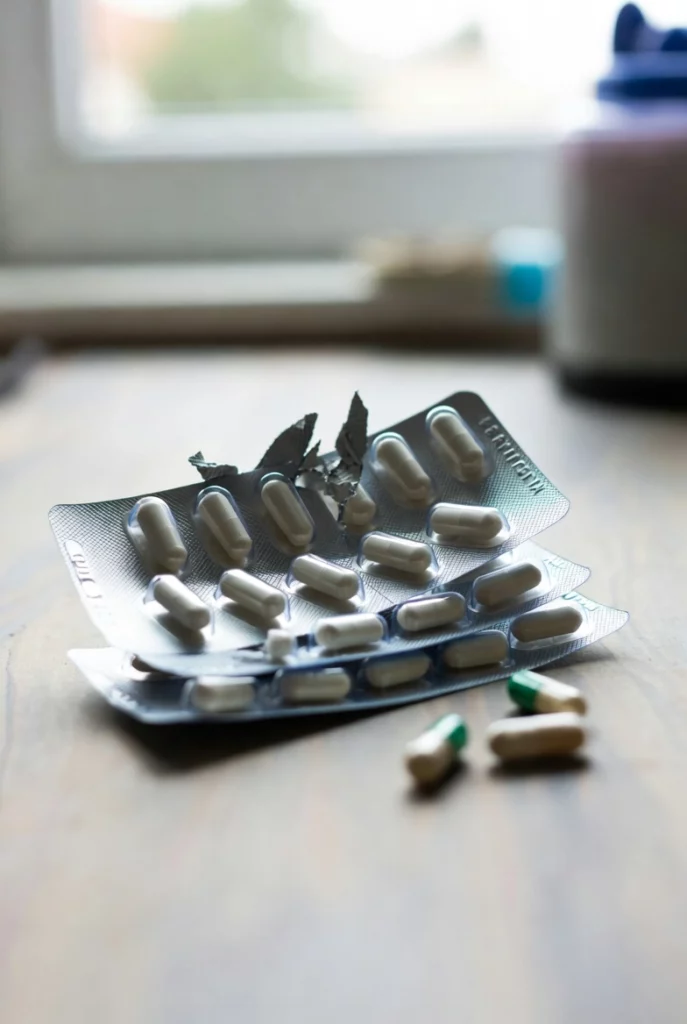
A damaged blister pack doesn’t always mean the medication has automatically become unusable. However, once the airtight seal is broken, tablets can come into contact with moisture, air, and light. For some drugs, this is critical, especially if the damage is old, the tablets have changed their appearance, or they were stored in unfavorable conditions.
Before use, it is important to evaluate not only the blister itself but also the condition of the medication.
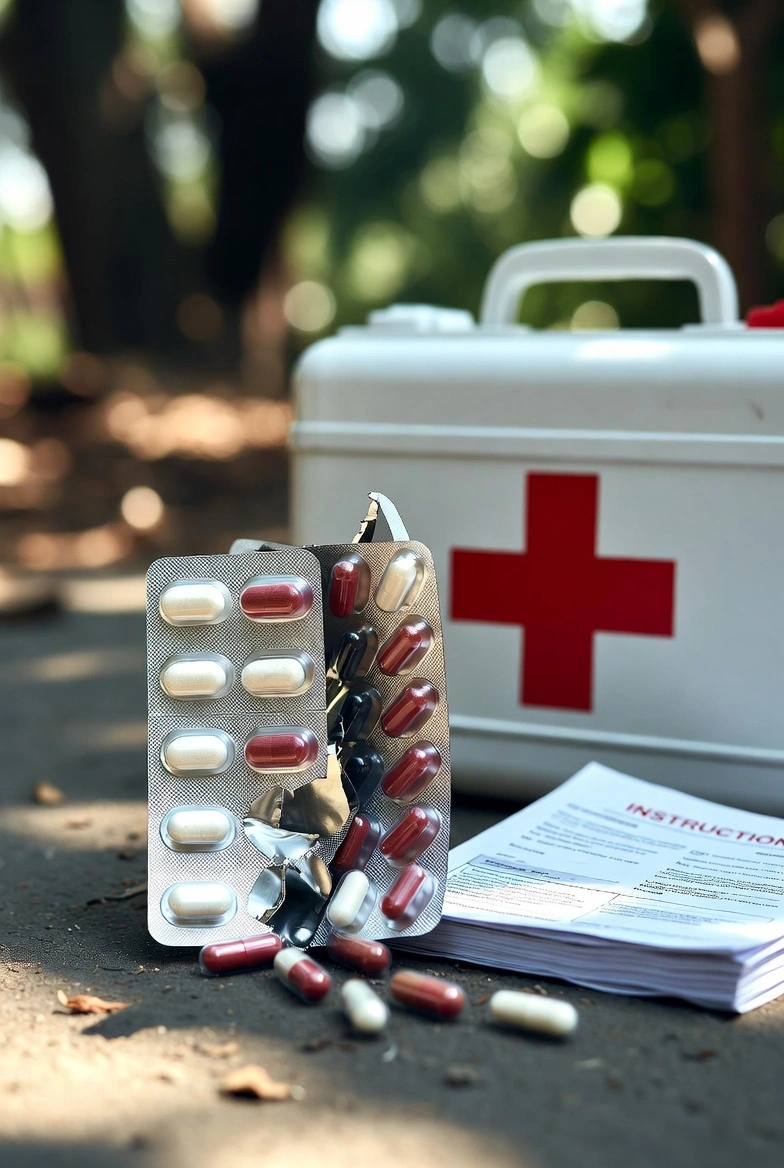
What a damaged blister means
Loss of integrity
A blister pack is needed not just for convenience. Its main task is to protect the drug from the external environment.
When integrity is compromised, the tablet may come into contact with:
- moisture;
- oxygen;
- light;
- temperature fluctuations;
- contaminants.
For some medications, even brief contact with moisture can affect stability.
Types of damage
Damage can vary, and it matters.
| Type of damage | What it may mean |
|---|---|
| Foil puncture | Contact with air and moisture |
| Blister tear | Partial loss of airtightness |
| Layer peeling | Compromised tablet protection |
| Crumpled blister | Possible mechanical damage to the tablet |
| Missing cell | Tablet has been exposed for a long time |
Sometimes damage occurs during transport or due to careless opening.
How it affects the medication
Contact with air and moisture
Once the blister is damaged, the medication begins to interact with the environment. This is especially important for tablets sensitive to moisture.
For example:
- effervescent tablets may lose stability;
- capsules may sometimes become soft or sticky;
- tablets may crumble;
- the coating may change color or structure.
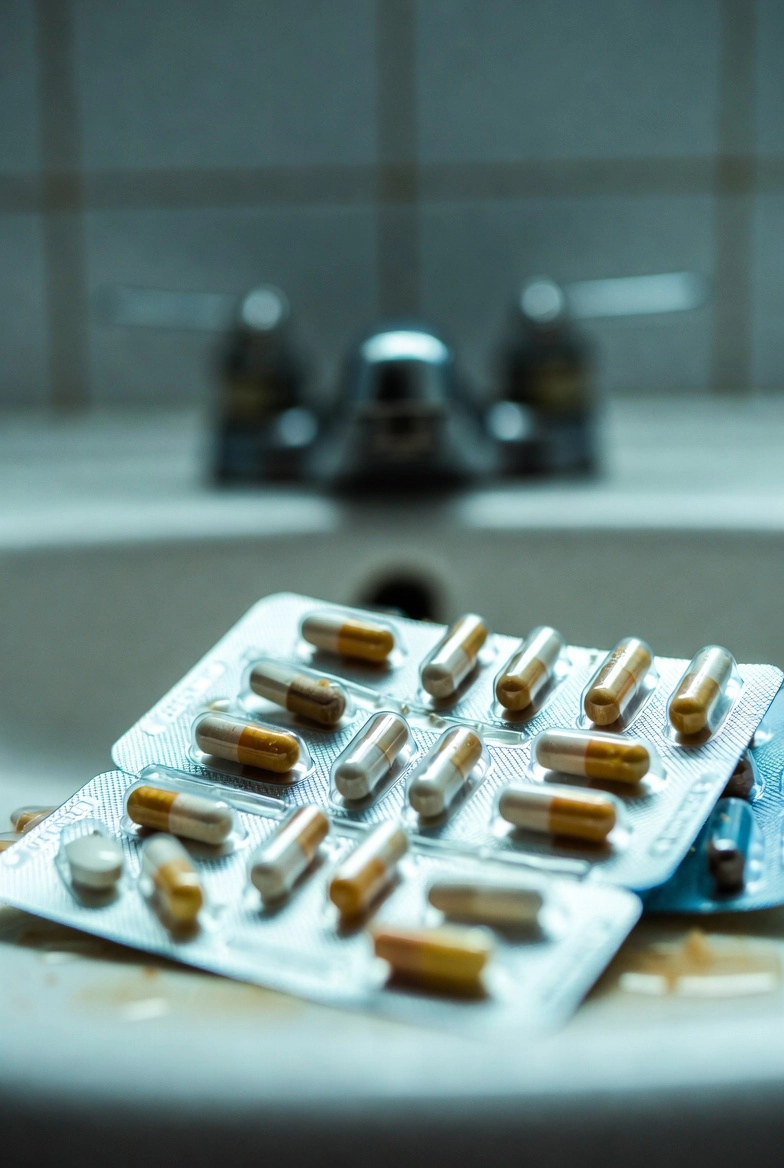
If the medication was kept in a bathroom, car, or in direct sunlight, risks increase.
Possible changes in properties
The problem isn’t just about appearance. After damage, the following may change:
- stability of the active substance;
- tablet dissolution rate;
- efficacy of the drug;
- taste or smell;
- mechanical strength.
Not all changes are immediately visible. Sometimes a tablet looks normal even though storage conditions have already been violated.
What to watch for
External appearance of the tablet
Before use, it is worth assessing the state of the medication.
The following may be warning signs:
- cracks;
- crumbling;
- spots;
- discoloration;
- stickiness;
- deformation;
- unusual smell.
Particular attention should be paid to capsules and effervescent forms, as they are usually more sensitive to moisture. Read more about how to recognize spoiled medication by external signs in our separate review.
Storage conditions after damage
Much depends on where the medication was stored after the damage occurred.
| Conditions | Potential Risk |
|---|---|
| Bathroom | High humidity |
| Car | Overheating and temperature fluctuations |
| Sunlight | UV exposure |
| Kitchen near stove | Heat and steam |
| Dry cool place | Lower risk |
If the damage is fresh and the tablet was stored in normal conditions, it’s one situation. If the blister lay in a hot car for several weeks, it’s a different story. Important: do not attempt to transfer tablets to other containers, as this creates additional risks to drug stability.
You may also be interested in:
-
Home first aid kit: can you store tablets without their original packaging?
-
How to carry medicine on a plane: rules for blister packs and packaging
Questions and Answers
Can I use a tablet if the blister is slightly torn?
This depends on the type of drug, the time since the damage occurred, and the storage conditions.
Is a tablet from an open cell dangerous?
If the tablet has been in contact with air or moisture for a long time, its properties may change.
Why do some tablets become sticky?
Drugs sensitive to moisture or heat often react this way.
Can I continue to store a damaged blister?
It is better to minimize contact with moisture and light and not leave the drug in unfavorable conditions.
Conclusions
A damaged blister pack is not just a minor issue. The packaging protects the medication from air, moisture, and light; once the seal is broken, these factors can impact the tablet’s stability. Pay close attention to changes in the drug’s appearance and storage conditions after damage. If a tablet looks strange, crumbles, or has a different smell, avoid experimenting.
References
- European Medicines Agency (EMA). Stability testing of existing active substances and related finished products.
- U.S. Food and Drug Administration (FDA). Safe storage and handling of medicines.
- World Health Organization. Guidelines for stability testing of pharmaceutical products.
- United States Pharmacopeia (USP). Pharmaceutical packaging and storage requirements.
- National Health Service (NHS). Medicines handling and storage advice.
Self-medication can be harmful to your health. This material is for informational purposes only. If in doubt about the quality of a medication, consult a pharmacist or doctor.
About the Author