
Cold sores on the lips (commonly referred to as “fever blisters” or “cold sores”) are among the most widespread viral infections on the planet. According to the World Health Organization (WHO), an estimated 3.7 billion people under the age of 50 (over 67% of the global population) are infected with Herpes Simplex Virus Type 1 (HSV-1), and nearly half a billion people are infected with Type 2 (HSV-2) [1]. The primary practical question that concerns patients during an outbreak is: can you kiss if you have a cold sore on your lips? The short and definitive answer from evidence-based medicine is absolutely not. But why is this virus so contagious, how many days does the danger “red zone” last, and how can you protect your partner and children? Let’s examine this in detail.
How the Virus Enters the Body and Why It Stays Forever
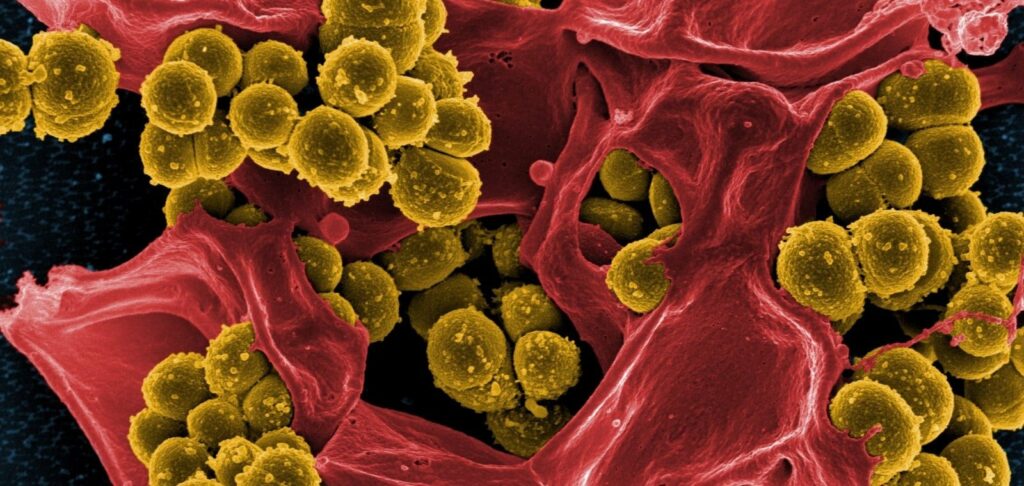
Herpes Simplex Virus (HSV) is an anthroponotic infection characterized by lifelong persistence. Once it enters the human body, it never leaves.
“After initial contact, the virus enters through micro-damage in the skin or mucous membranes, invades local sensory nerve endings, and travels to nerve ganglia (the trigeminal ganglion for HSV-1). There, it transitions into a latent (‘dormant’) state. Any decline in local or systemic immunity triggers its reactivation and reverse journey back to epithelial cells,” explains Tetiana Sviatenko, Professor, Vice President of the Ukrainian Association of Dermatovenerologists and Cosmetologists.
- 📍 Localization: Lips, nostrils, corners of the mouth, oral cavity.
- 💋 Transmission: Kissing, shared utensils, towels, lip balms.
- ⚠️ Risk: Causes genital herpes in a partner via oral sex.
- 🔄 Course: Recurrences are usually shorter and milder than with Type 2.
- 📍 Localization: Genitalia, perineum, perianal region.
- 🔞 Transmission: Sexual intercourse (vaginal, anal, oral).
- ⚠️ Risk: Extremely dangerous during primary infection in pregnancy.
- 🔄 Course: More frequent and intense recurrences with severe pain.

Transmission Routes: Why Kissing Carries a 100% Risk
The herpes virus is exceptionally contagious. Transmission occurs through several primary pathways [1, 2]:
- Direct contact with vesicles: The fluid inside the blisters contains millions of active viral particles. Kissing at this point leads to virtually guaranteed transmission.
- Asymptomatic viral shedding: The virus can be shed in saliva even when there are no visible lesions. This is how the majority of people get infected.
- Oral-genital contact: Engaging in oral sex while having an active cold sore transmits the virus directly to the partner’s genitals.
- Indirect/Household transmission: Shared towels, drinking glasses, lipsticks, and cosmetic applicators.
- Vertical transmission: From mother to newborn during labor or through direct postnatal contact.
Symptoms, Stages, and Contagiousness Dynamics
Cold sores develop in distinct stages. Below is the transmission risk timeline:
Phase 1 • Days 1–2
⛔ Kissing Prohibited
Phase 2 • Days 2–4
⛔ Critically Contagious
Phase 3 • Days 4–6
⛔ Maximum Risk
Phase 4 • Days 7–10
⚠️ Dangerous
Phase 5 • Complete Healing
✅ Kissing is Safe
Dangerous Complications: Ophthalmic Herpes (Ocular Herpes)
Transferring viral particles from the lips to the eyes via unwashed fingers can cause herpetic keratitis. This is marked by severe ocular pain, photophobia, and a foreign body sensation. Without immediate clinical intervention, ocular herpes can lead to corneal scarring and irreversible vision loss.
Triggers of Viral Reactivation
- Upper respiratory infections, fever, and hypothermia.
- Excessive UV exposure (intense sun, tanning beds, absence of SPF protection).
- Chronic psychological stress and sleep deprivation.
- Hormonal fluctuations during the menstrual cycle.
- Physical trauma to the perioral area (permanent makeup, cosmetic injections).
Diagnosis and Antiviral Treatment
While modern medicine cannot completely eradicate the latent virus from sensory ganglia, evidence-based protocols can resolve an acute outbreak in a matter of days [3, 4].
Gold standard: Inhibit viral DNA polymerase from within the cell, cutting outbreak duration roughly in half.
Symptomatic action: Softens the crusts and reduces local burning, but has limited penetration into deeper tissues.
For severe cases: Reduces outbreak recurrence by up to 80% and significantly lowers transmission risks to partners.
Risks During Pregnancy and Protecting Newborns
A particularly severe hazard is primary genital herpes acquisition during the third trimester (especially the last 6 weeks of pregnancy). The maternal immune system does not have sufficient time to generate protective IgG antibodies, creating a grave risk of life-threatening neonatal herpes [2].
Consequences of Neonatal Herpes:
- Herpetic encephalitis and viral meningitis.
- Intractable seizures, CNS damage, and profound developmental delays.
- Permanent visual and auditory impairment.
- Disseminated disease, sepsis, and high mortality rates without immediate intravenous antiviral therapy.
Obstetric Strategy: If active genital lesions or prodromal symptoms are present at the onset of labor, a planned or emergency Cesarean section is performed to prevent direct infant contact with the infected birth canal.
Strict Rules for Protecting Newborns:
- Never kiss a newborn on the lips, face, or hands if you have an active cold sore or tingling prodrome.
- Wash your hands thoroughly with warm water and soap before touching or holding the baby.
- Wear a medical face mask during breastfeeding if you have active facial lesions.
Hygiene Guide: How to Avoid Infecting Your Partner During an Outbreak
- Complete pause on kissing: Refrain from all direct oral contact for 7–10 days until complete re-epithelialization.
- Strictly avoid oral sex: This is the leading cause of transferring oral HSV-1 to a partner’s genital tract.
- Personalize household items: Keep separate bath towels, washcloths, drinking glasses, cups, and utensils.
- Cosmetic discipline: Never share lip balms or makeup, and avoid licking cosmetic brushes or applicators.
- Daily UV defense: Use lip balms containing SPF 30–50+ daily, as sunlight is one of the strongest triggers of recurrent flares.
When Should You Consult a Doctor?
- Lesions fail to scab over or heal after 14 days.
- Outbreaks occur more frequently than 4–6 times per year (a candidate for suppressive therapy).
- Ocular warning signs develop (eye pain, excessive tearing, light sensitivity).
- The rash spreads extensively across the face or is accompanied by high fever.
- An outbreak occurs during pregnancy.
Frequently Asked Questions (FAQ)
How many days should you refrain from kissing when you have a cold sore?
Does an ointment or a cold sore patch protect against transmission during a kiss?
Can you engage in oral sex if you have a cold sore?
Can you contract herpes from someone who has no visible symptoms?
📚 Official Medical Sources:
- World Health Organization (WHO): Herpes Simplex Virus (HSV) Key Facts & Global Estimates
- Centers for Disease Control and Prevention (CDC): Genital Herpes and HSV-1: Clinical Guidance & Transmission
- National Health Service (NHS UK): Cold Sores (HSV-1): Symptoms, Safe Habits and Treatments
- Primary Care Dermatology Society (PCDS UK): Herpes Simplex Infection Diagnostic and Antiviral Protocols
- Ukrainian Association of Dermatovenerologists and Cosmetologists (UADVC): Clinical Guidelines and Management Protocols for Chronic Dermatoses and Herpes Infections
About the Author