

If you are looking for alternative methods to support your body or want to understand the phenomenon of kratom, this article is your up-to-date guide as of August 2026. We have analyzed the origin of the plant, its varieties, and the latest scientific data that has emerged over the last two years.
In this material, we will honestly examine the potential risks, the current legal status of kratom in Ukraine, and safe application rules that will help avoid side effects.
History of Kratom and Its Traditional Use
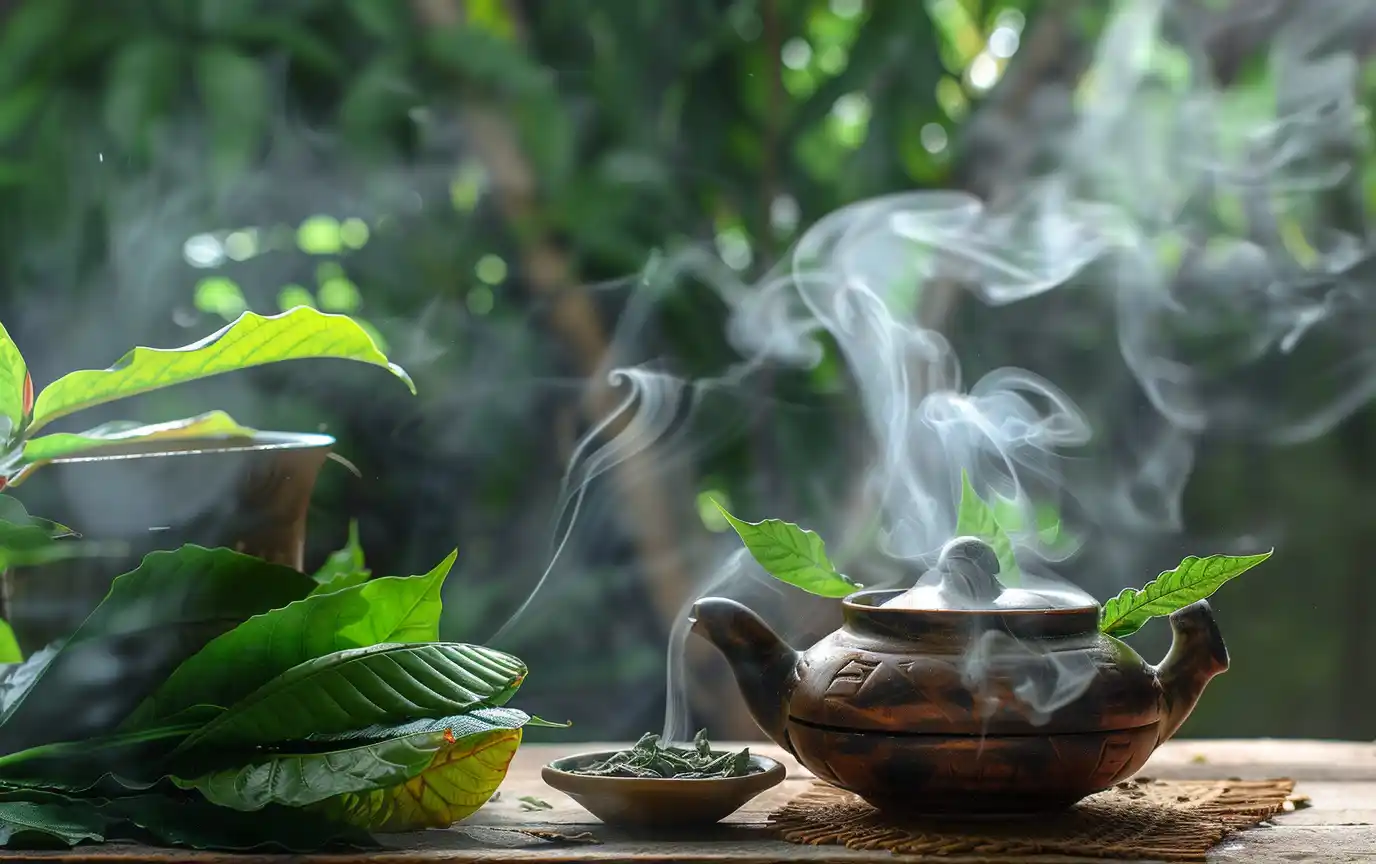
Kratom (Mitragyna speciosa), a tropical tree native to Southeast Asia, has a long history of use in Thailand, Malaysia, and Indonesia. Traditionally, locals in these countries chew its fresh leaves or brew them like tea.
Leaf Chewing and Tea Brewing: Traditional Consumption of Kratom
Traditionally, in Southeast Asian countries, fresh kratom leaves were consumed by chewing or brewing a strong tonic tea. This method has been popular among workers and farmers for centuries: it was believed that the plant helps overcome physical fatigue, increases endurance, and enhances concentration during hard labor under the sun.
In addition to its stimulating effect, similar to the action of strong coffee, locals valued kratom for its ability to relieve headaches and chronic muscle discomfort. In 2026, this traditional knowledge became the foundation for developing modern extracts and convenient forms of release (capsules and powders), which we will discuss below.
From Ethnomedicine to Modern Application Methods
The earliest mentions of kratom use in folk medicine date back to the 19th century. In Southeast Asian countries, the plant was long considered a universal helper:
- In Thailand, the leaves were traditionally used as a remedy for diarrhea.
- In Malaysia, kratom was valued for its ability to relieve coughs and symptoms of respiratory diseases.
- In other regions, it was used as an antiseptic for intestinal infections and as an effective remedy for chronic pain.
Modern Perspective (2026 Update):
Today, we understand that these effects are due to the interaction of the plant’s alkaloids with the body’s receptors. However, modern medicine does not consider kratom as a primary treatment for infections or colds. Instead, in 2026, scientific and consumer focus has shifted to its ability to improve psycho-emotional quality of life: relieving stress, providing mild euphoria, and assisting in social adaptation. It is important to remember that such use requires a responsible approach to dosage.
Mechanism of Action and Active Compounds of Kratom
The effect of kratom is due to the unique chemical composition of its leaves, which contain over 40 alkaloids. The main active compounds are mitragynine and 7-hydroxymitragynine. These substances act as partial agonists of opioid receptors in the brain, but unlike classical opiates, they have a different interaction mechanism, which reduces the risk of respiratory depression.
In addition, kratom alkaloids interact with serotonin and adrenergic receptors, which explains its ability to simultaneously relieve pain, improve mood, and increase energy levels.
How Dosage Determines the Nature of the Effect
The impact of kratom has a biphasic nature: it can both stimulate and relax, depending on the amount taken. As of 2026, experts identify the following dosage levels for dry powder:
Table: Kratom Dosage and Expected Effects (2026)
| Dosage Level | Grams (powder) | Main Effect | Recommended Use |
|---|---|---|---|
| Low | 1–3 g | Stimulation, focus, energy | Work, study, socialization |
| Moderate | 3–7 g | Balance of calmness and pain relief | Anxiety relief, muscle pain |
| High | 7–12 g | Sedation, deep relaxation | Chronic pain, insomnia |
Important: Consuming more than 12–15 g significantly increases the risk of side effects (nausea, dizziness) and is not recommended for regular use.
Factors of Individual Reaction:
The effect depends on body weight, metabolic rate, and tolerance. If you are trying kratom for the first time, always start with the minimum dose (1–2 g) to assess your body’s reaction.
Note: This information is for informational purposes only. Consult a doctor before using any herbal remedies.
Potential Benefits of Kratom
Kratom has attracted the attention of the global medical community due to its therapeutic potential. As of 2026, the following areas of application are highlighted:
- Chronic Pain Management: The analgesic properties of mitragynine help patients with arthritis and back pain, often allowing for a reduction in the dosage of aggressive pharmaceutical drugs.
- Rehabilitation and PTSD Support: In Ukraine in 2026, kratom is actively being studied as a tool for stabilizing the emotional background of veterans during the social adaptation process.
- Reduction of Opioid Dependence: Used as a means to mitigate withdrawal symptoms when quitting heavy substances.
- Mental Health Support: In small doses, it acts as a mild antidepressant, improving mood and cognitive functions.
Different Types of Kratom
Comparative Characteristics of Main Kratom Types (2026)
| Vein Color | Key Effects | Best Suited For: | Popular Strains |
|---|---|---|---|
| Red | Sedation, strong pain relief, relaxation | Evening consumption, fighting insomnia and acute pain | Red Bali, Borneo, Maeng Da |
| White | Stimulation, energy, focus | Morning consumption, active work, productivity | White Thai, White Borneo, White Sumatra |
| Green | Balance of energy and calmness, pain relief | Daytime consumption, relieving social anxiety | Green Malay, Maeng Da, Thailand |
Determining Kratom Quality
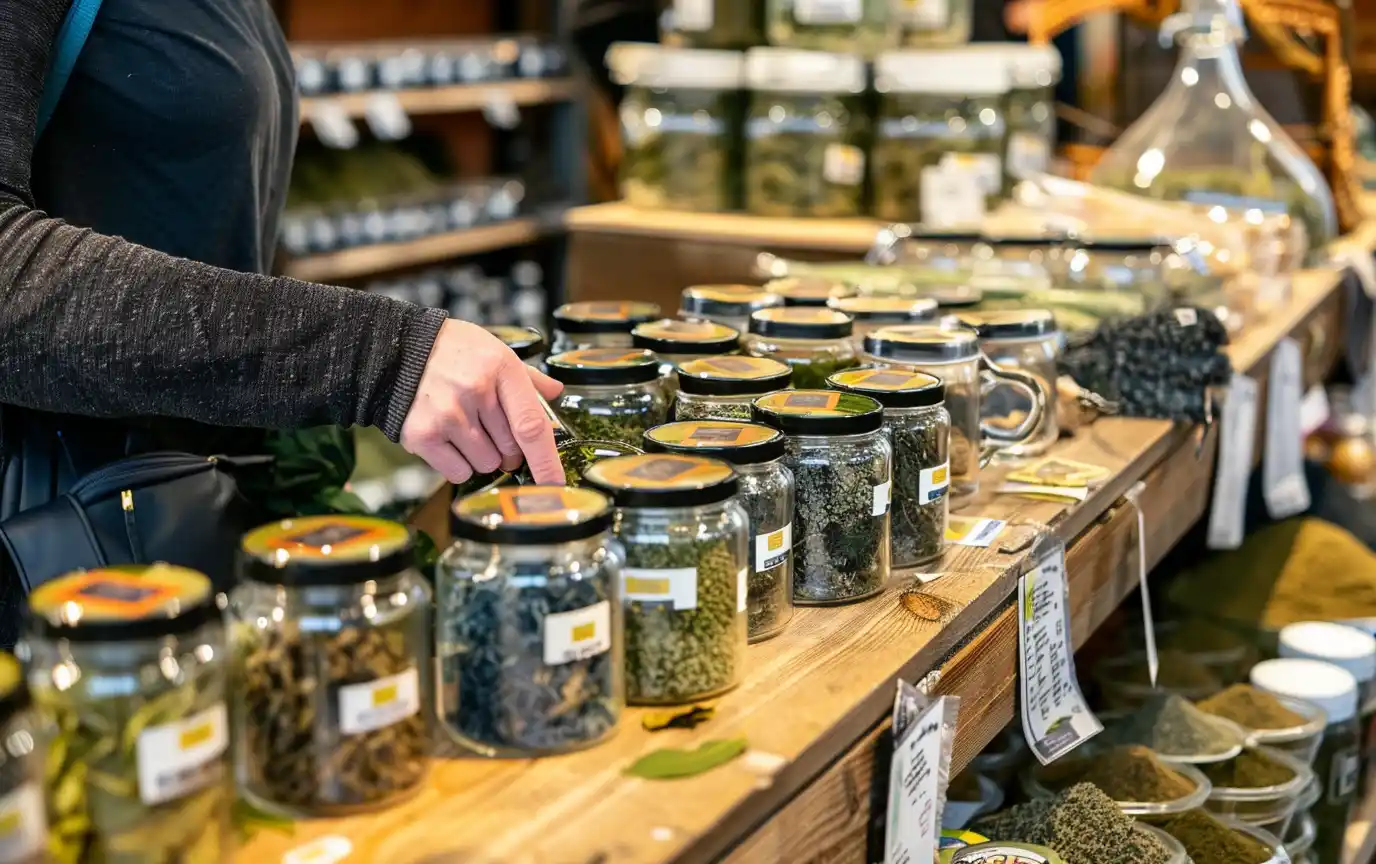
Buy kratom from stores that operate legally and pay attention to the parameters that determine its quality:
Kratom Quality Checklist: What to Look for in 2026
| Parameter | Signs of High Quality | “Red Flags” (Avoid This) |
|---|---|---|
| Grind and Color | Very fine grind (like flour), uniform color. | Lumps, sand, foreign impurities. |
| Aroma | Pronounced fresh herbal or earthy scent. | Smell of mold, mustiness, or lack of aroma. |
| Packaging | Airtight, opaque bags. Presence of a QR code. | Transparent bags, lack of batch labeling. |
| Laboratory Control | Availability of a Certificate of Analysis (COA) from an independent laboratory. | Refusal to provide test results for heavy metals. |
Before making a purchase, ask the seller these 5 questions:
- Can the QR code on the packaging be scanned to check lab reports?
- What is the percentage of mitragynine in this batch?
- Has the raw material undergone sterilization?
- From which region does this specific strain originate?
- What is the harvest date? (Best up to 18 months).
Kratom Taste and Masking Methods
Kratom has a specific bitter taste. In 2026, popular ways to mask it include mixing it with citrus juices (orange, grapefruit), adding it to yogurt, or the “Toss and Wash” method (quick swallowing of the powder).
Popular Release Forms in Ukraine (2026)
- Powder (native form): The most economical option for brewing tea (at 80°C).
- Capsules and tablets: Ideal choice for those who cannot tolerate the bitter taste.
- Standardized extracts: Concentrated liquids. It is important to start with minimal drops.
Golden Rules for Safe Consumption:
- Start small (1.5–2 g).
- Take breaks: the optimal schedule is 2–3 times a week.
- Drink 1–2 more glasses of water to maintain hydration.
Side Effects and Safety of Use
Possible side effects include nausea, dry mouth, constipation, or dizziness. It is strictly not recommended to combine kratom with alcohol, opioid analgesics, and medical cannabis-based drugs without consulting a doctor.
Legal Status of Kratom in 2026
As of today, kratom remains legal in Ukraine. The main alkaloids—mitragynine and 7-hydroxymitragynine—are not included in the lists of prohibited substances (according to the current version of the Cabinet of Ministers of Ukraine Decree No. 770). Since 2025, certification requirements have been tightened, making the market more transparent.
List of Sources Used
- Cabinet of Ministers of Ukraine Decree No. 770 — official list of narcotic drugs, psychotropic substances, and precursors.
- National Institute on Drug Abuse (NIDA) — scientific data on pharmacology and effects on the brain.
- European Union Drugs Agency (EUDA) — market analysis and profiles of new compounds in the EU.
- ClinicalTrials.gov — database of studies regarding PTSD and chronic pain.
- World Health Organization (WHO) — WHO critical review report on kratom safety.
- Kratom Consumer Protection Act (KCPA) — quality standards and regulation.
About the Author